Quranic Answer
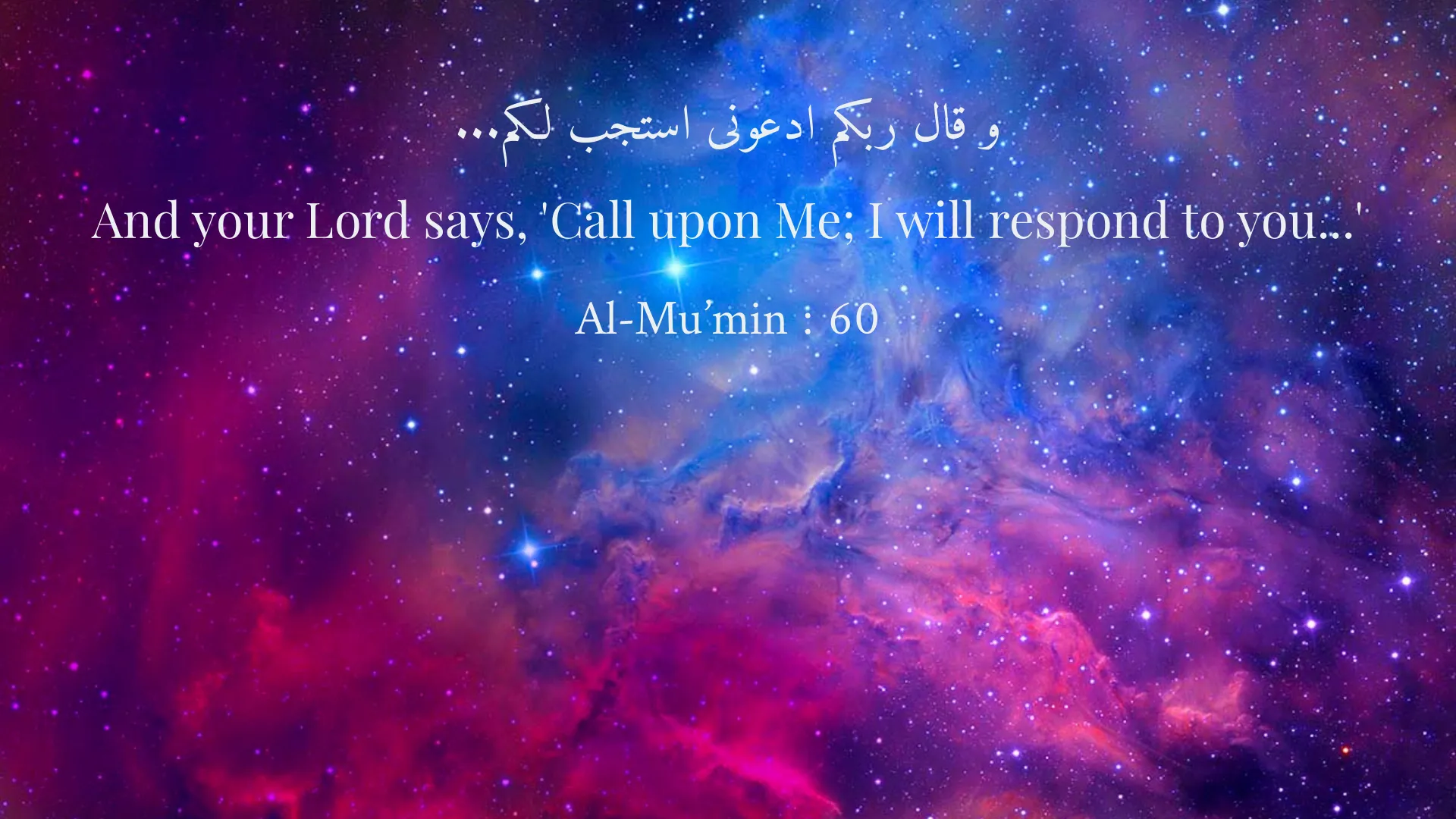
The Power and Response of Prayer in the Holy Quran Prayer holds a significant place in the lives of Muslims across the globe, acting as a vital connection between the believer and Allah. This connection is rooted in the guidance provided by the Holy Quran, which clearly articulates the concept of prayer and the promise of its response. This article aims to delve into the understanding of prayer and its answers in light of Quranic teachings, exploring how Allah interacts with His servants and fulfills their supplications in multifaceted ways. At the core of the Islamic belief is the conviction that Allah is always listening and responsive to those who call upon Him. Surah Al-Mu’min (40:60) conveys this sentiment explicitly, stating, "And your Lord says, 'Call upon Me; I will respond to you...'" This verse serves as a powerful reminder of Allah’s infinite mercy and His readiness to listen to the prayers of His faithful servants. The encouragement to "call upon Me" signifies the importance of prayer in Islam, where supplication is not just a means of seeking help but is also an act of worship itself. However, understanding the nature of the response to prayers is crucial, as it may not always align with our expectations. The answer to a prayer might come in forms that are unforeseen or at times deemed more suitable by Allah. In other words, the responsive action from Allah could manifest as a direct granting of the request, a delay in its fulfillment, or even a complete alteration of the request itself. This multifaceted approach to answered prayers is aligned with the divine wisdom that governs all aspects of existence, a wisdom far beyond human comprehension. Moreover, Surah Al-Baqarah (2:186) reinforces the intimacy of the relationship between Allah and His servants with the declaration: "And when My servants ask you concerning Me, indeed I am near. I respond to the invocation of the supplicant when he calls upon Me." The affirmation of Allah's nearness amplifies the significance of turning to Him in times of need, showcasing that believers are never alone in their struggles. This verse can be viewed as a source of comfort, serving to strengthen the believer’s faith in divine timing and wisdom. Another important aspect to note is that our prayers may sometimes go unanswered due to our own shortcomings or misdeeds. Surah Al-Isra (17:23) states, "And your Lord has decreed that you not worship except Him..." This verse highlights the necessity of sincerity in prayer and the importance of worshiping Allah alone. It serves as a reminder that the act of supplication must originate from the depths of the heart, accompanied by pure intentions and unwavering faith. If a believer engages in actions contrary to Allah's commands, it may hinder the acceptance of their prayers. Therefore, believers are encouraged to maintain a sincere and humble attitude when making supplications, recognizing that sincerity is key to being heard. While prayer can be a source of personal solace, it is also a communal bond that unites the Muslim ummah (community). Collectively, the act of praying fosters a sense of solidarity and empathy among individuals, encouraging believers to share their struggles and joys with one another. This communal aspect of prayer can provide strength and support in times of trial, reminding individuals that they are part of a larger spiritual family. Additionally, the practice of prayer emphasizes the importance of gratitude. In Surah Ibrahim (14:7), Allah states, "And (remember) when your Lord proclaimed: 'If you give thanks (by accepting faith and worship), I will give you more (of My Blessings)...'" This verse delineates the symbiotic relationship between prayer and gratitude. It underlines that thanking Allah for His blessings can lead to the multiplication of those blessings. In essence, the act of prayer should not be limited to merely asking for one's needs; it should encompass gratitude for the gifts one already possesses. In contemplating the varied responses to prayer, it is essential to understand that patience plays a crucial role. Oftentimes, the fulfillment of a prayer may be delayed, necessitating a display of faith and reliance on Allah's divine plan. This waiting period can serve to strengthen one’s character and enhance trust in Allah’s wisdom. There are numerous instances in both the Quran and the lives of Prophets that illustrate the theme of patience in prayer. For instance, the trials faced by Prophet Ayoub (Job) serve as a profound testament to enduring faith and reliance on divine wisdom despite the harsh circumstances he encountered. Furthermore, it is vital to remember that prayers may not only be answered in this life, but they could also be fulfilled in the Hereafter. The concept of divine justice ensures that every supplication is acknowledged, be it through immediate response or as a reward in the afterlife. Believers are reassured that every prayer is significant and noted, prompting them to remain steadfast in their supplications regardless of the visible outcome. In conclusion, the teachings of the Holy Quran provide a rich understanding of the nature of prayer and its answers. The relationship between a believer and Allah is characterized by communication, where sincerity, patience, and gratitude play key roles. While the response to a prayer may vary, Allah's promise to answer prayers remains unwavering. The sacred act of prayer is a journey that strengthens one's faith, fosters community, and ultimately draws the believer closer to the Creator. As Muslims, we are encouraged to embrace the power of prayer, recognizing it as not only a means of seeking our needs but also an opportunity for spiritual growth and connection with the divine.
Related Verses
و قال ربکم ادعونی استجب لکم...
And your Lord says, 'Call upon Me; I will respond to you...'
Al-Mu’min : 60
و اگر از بندگانم از تو در باره من سؤال کنند، من نزدیکم...
And when My servants ask you concerning Me, indeed I am near...
Al-Baqarah : 186
وقضى ربّك أن لا تعبدوا إلا إياه...
And your Lord has decreed that you not worship except Him...
Al-Isra : 23
Short Story
One day, a man was praying to Allah for his problems to be solved. He wanted his prayers to be answered quickly. Weeks passed, and he became discouraged, but then he realized that the answer to his prayers came in a different form as he overcame those very problems. He learned that prayers should be made with patience and faith and to trust in Allah's wisdom.