Quranic Answer
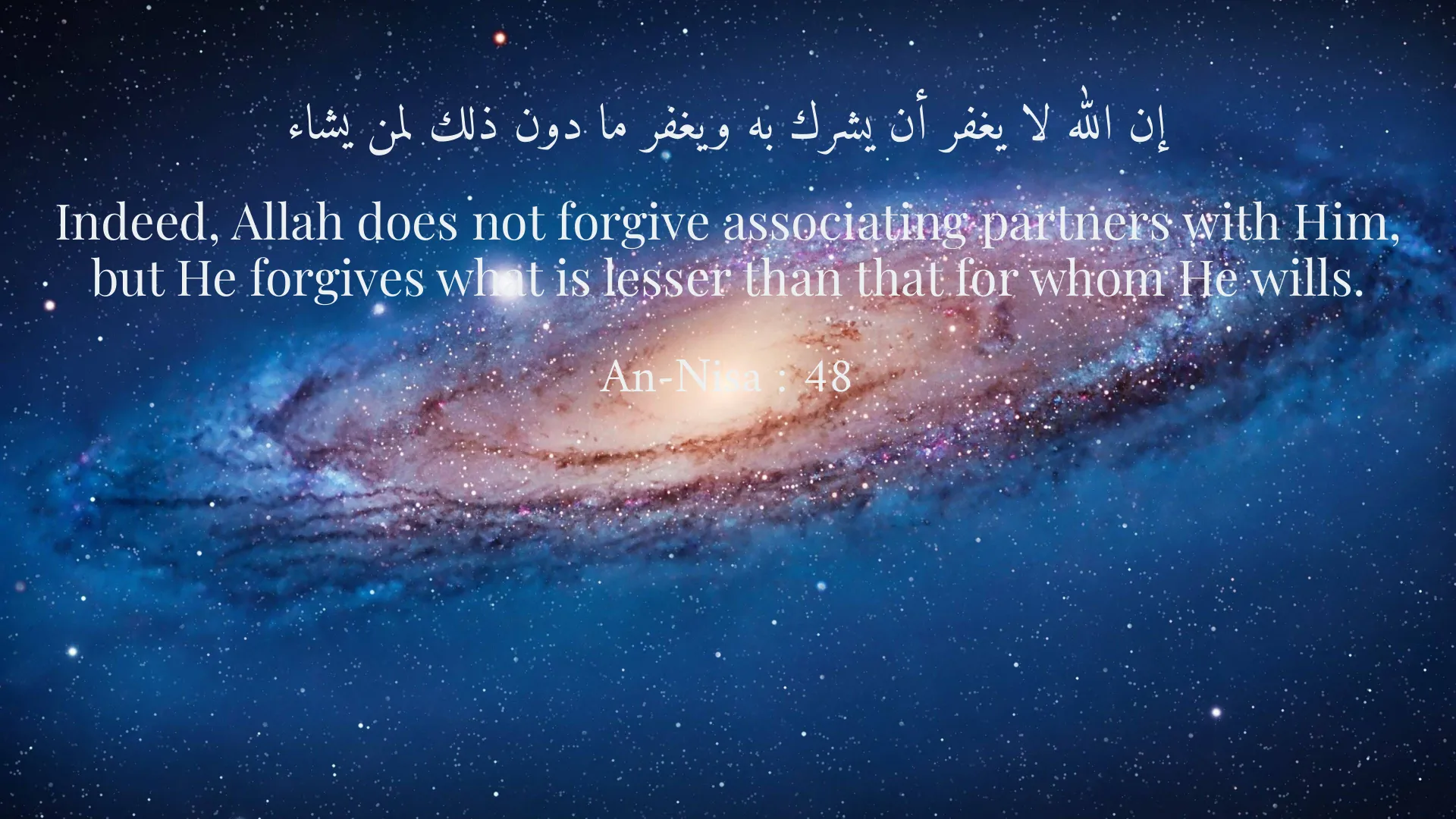
The theme of forgiveness and accountability in the Holy Quran is a very important aspect of Islamic theology. The Quran addresses the concept of sin and retribution clearly, providing guidance on what constitutes the gravest forms of transgressions against divine law. Among the significant assertions found in the Holy Quran, there are several verses that discuss the nature of sin, divine mercy, and the consequences of certain actions. This article seeks to delve deeper into these themes, particularly focusing on those sins described in the Quran as unforgivable, specifically polytheism (shirk) and the denial of fundamental tenets of faith. Firstly, it is crucial to understand the definition of sin in an Islamic context. Sin, or 'dhulm,' is often described as a transgression against God's commands. It can take various forms, from minor infractions to severe wrongdoings that defy the very essence of divine instructions. Among these sins, however, there are those that the Quran specifically warns against, particularly polytheism, which is considered the most egregious act an individual can commit against their Creator. In Surah An-Nisa, verse 48, it highlights, 'Indeed, Allah does not forgive associating partners with Him, but He forgives what is lesser than that for whom He wills.' This verse serves as an unequivocal reminder that polytheism, or shirk, is an act that carries a heavy price. Associating partners with Allah, be it through worship of idols or deification of beings other than God, is deemed as a betrayal of the fundamental principle of monotheism that is central to Islamic belief. The exclusivity of Allah's divinity is pivotal; hence, any deviation from this core belief is categorized as an unforgivable sin without sincere repentance. The implications of committing such a sin extend beyond mere disobedience; it demonstrates a fundamental misunderstanding of God's nature. According to Islamic teachings, God is unique, and any notion of associating others with Him undermines His sovereignty. In this regard, the unforgivable nature of polytheism is rooted in its dismissal of God's attributes and essence. Further emphasizing the severity of this sin, in Surah Al-Ma'idah, verse 72, Allah states, 'Certainly, those who say, 'Allah is the Messiah, the son of Mary,' are disbelievers.' This declaration sheds light on the pitfalls of ascribing divinity to anyone other than Allah, illustrating that certain assertive claims regarding faith can place individuals beyond the reach of divine mercy. This verse, which addresses the affirmation of Jesus Christ as divine, is particularly important in a Christian-Muslim dialogue, as it points to the fundamental disagreements that underscore theological distinctions between the two religions. Both faiths value Jesus Christ, yet the manner in which He is perceived and understood is crucially different. In conclusion, Islamic teachings are decidedly explicit about the gravity of certain sins, particularly polytheism and the denial of core faith principles. While Allah's mercy is vast and encompasses many transgressions, individuals who fall into the traps of shirk and deny God's oneness position themselves perilously close to forfeiting their hopes for forgiveness. This central principle invites believers to strive toward sincere worship of Allah, maintain unwavering faith in His absolute oneness, and approach repentance with humility and perseverance. The Qur'an continuously invites believers to reflect on their actions and to remain steadfast in their faith, emphasizing the path toward righteousness and devotion exclusively reserved for Allah alone. Thus, it is vital for individuals searching for spiritual solace to recognize the importance of adhering to the monotheistic essence of faith, ensuring they seek God's mercy through a true understanding of His nature and the fundamental principles He has set forth.
Related Verses
إن الله لا يغفر أن يشرك به ويغفر ما دون ذلك لمن يشاء
Indeed, Allah does not forgive associating partners with Him, but He forgives what is lesser than that for whom He wills.
An-Nisa : 48
لقد كفر الذين قالوا إن الله هو المسيح ابن مريم
Certainly, those who say, 'Allah is the Messiah, the son of Mary,' are disbelievers.
Al-Ma'idah : 72
Short Story
One day, a young man felt guilty about the things he had done. He wanted to know if there was any hope for redemption. One day, he went to the mosque and while listening to the sermons, they mentioned that polytheism is the greatest sin. The young man decided to turn back and seek forgiveness from Allah, vowing to always walk on the right path. This decision changed his fortune and brought peace back to his life.