Quranic Answer
Piety, or the quality of being religiously devout and reverent, is an essential aspect of the Islamic faith that is often emphasized through various teachings and verses in the Quran. The pursuit of piety is not only a religious obligation but an opportunity for personal growth and spiritual connection with God. This article discusses how a person can achieve piety through dedicated effort and unyielding faith in Allah, and how this concept is portrayed in Islamic teachings. To understand piety, we must delve into the Quran, which provides clear guidance on this vital attribute of believers. One of the significant verses that underscore the importance of piety is found in Surah Al-Imran, verse 102, where it states: 'O you who have believed, fear Allah as He should be feared.' This verse serves as a direct command to the believers, reminding them that true piety requires a comprehensive awareness and reverence for the Creator. It’s not merely about following rituals but about embodying a holistic mindset of fear and respect toward Allah, which guides every action and intention in a believer’s life. Piety in Islam is multifaceted and extends beyond individual worship to encompass every aspect of daily conduct and character. It serves as a foundation that governs interactions with others, ethical decision-making, and personal integrity. The Quran emphasizes this notion in numerous instances. For example, in Surah Al-Baqarah, verse 183, it is proclaimed that fasting is decreed upon believers: 'O you who have believed, decreed upon you is fasting as it was decreed upon those before you that you may become righteous.' This verse links fasting with the attainment of righteousness, signaling that it is a crucial step toward piety. Fasting during the holy month of Ramadan holds significant spiritual importance for Muslims. It is a time for self-reflection, discipline, and community engagement. The act of fasting encourages individuals to refrain from their earthly desires and temptations, fostering a deeper connection with Allah. By abstaining from food, drink, and other physical comforts, believers are reminded of the importance of self-control, empathy toward the less fortunate, and a commitment to spiritual awareness. This experience of deprivation nurtures gratitude and humility, essential components of a pious life. Moreover, the Quran states in Surah Al-Mu'minun, verses 1 and 2, that: 'Certainly will the believers have succeeded, they who are during their prayer humbly submissive.' The act of prayer, or Salah, is integral to Islamic practice and is a primary vehicle through which believers can express devotion, seek guidance, and cultivate piety. The emphasis on humility during prayer suggests that a genuine approach toward worship is accompanied by a recognition of one's position in relation to Allah. Maintaining this humility not only enriches the prayer experience but also reinforces a sense of accountability and purpose. Additionally, piety is closely associated with the core ethical teachings of Islam. A pious individual is expected to act justly, (making a conscious effort to avoid wrongdoing and to engage with others in a spirit of fairness and kindness.) The character of a believer is often measured by their ability to exhibit traits like honesty, compassion, and patience in their interactions with others. The teachings of the Prophet Muhammad (peace be upon him) further illustrate that piety translates into everyday actions—whether in family relationships, business dealings, or community service. The journey to achieving piety is a continuous process that involves self-assessment and personal growth. It requires commitment and vigilance to cultivate one's relationship with God. This pursuit also necessitates a supportive environment, where one can learn from the experiences of others, gain knowledge through study, and engage in communal worship practices. The Islamic community plays a pivotal role in reinforcing the ideals of piety through shared experiences, mutual encouragement, and collective spiritual activities. Moreover, piety is not a destination but rather a journey marked by sincere intentions and thoughtful actions. In this regard, individuals are encouraged to engage in regular self-reflection to assess their motives, improve their practices, and remain steadfast in their devotion to Allah. By aligning one's actions with the teachings of the Quran and the Sunnah, believers can fortify their piety and embark on a path that leads to both spiritual fulfillment and moral excellence. In conclusion, achieving a state of piety is not only feasible but is arguably one of the primary aspirations within Islamic life. The Quran strongly emphasizes this attribute through its teachings, narrating various pathways through which individuals can cultivate a profound connection with God. As believers engage in practices such as fasting and prayer, they are reminded of the significance of humility and ethical conduct in their journey toward righteousness. The collective efforts to embody piety, paired with faith in Allah, create a fulfilling life that resonates with spiritual richness and ethical integrity. Thus, the practice of piety is not merely an obligation but a sacred journey that shapes a believer’s character, refines their soul, and aligns their life with divine purpose.
Related Verses
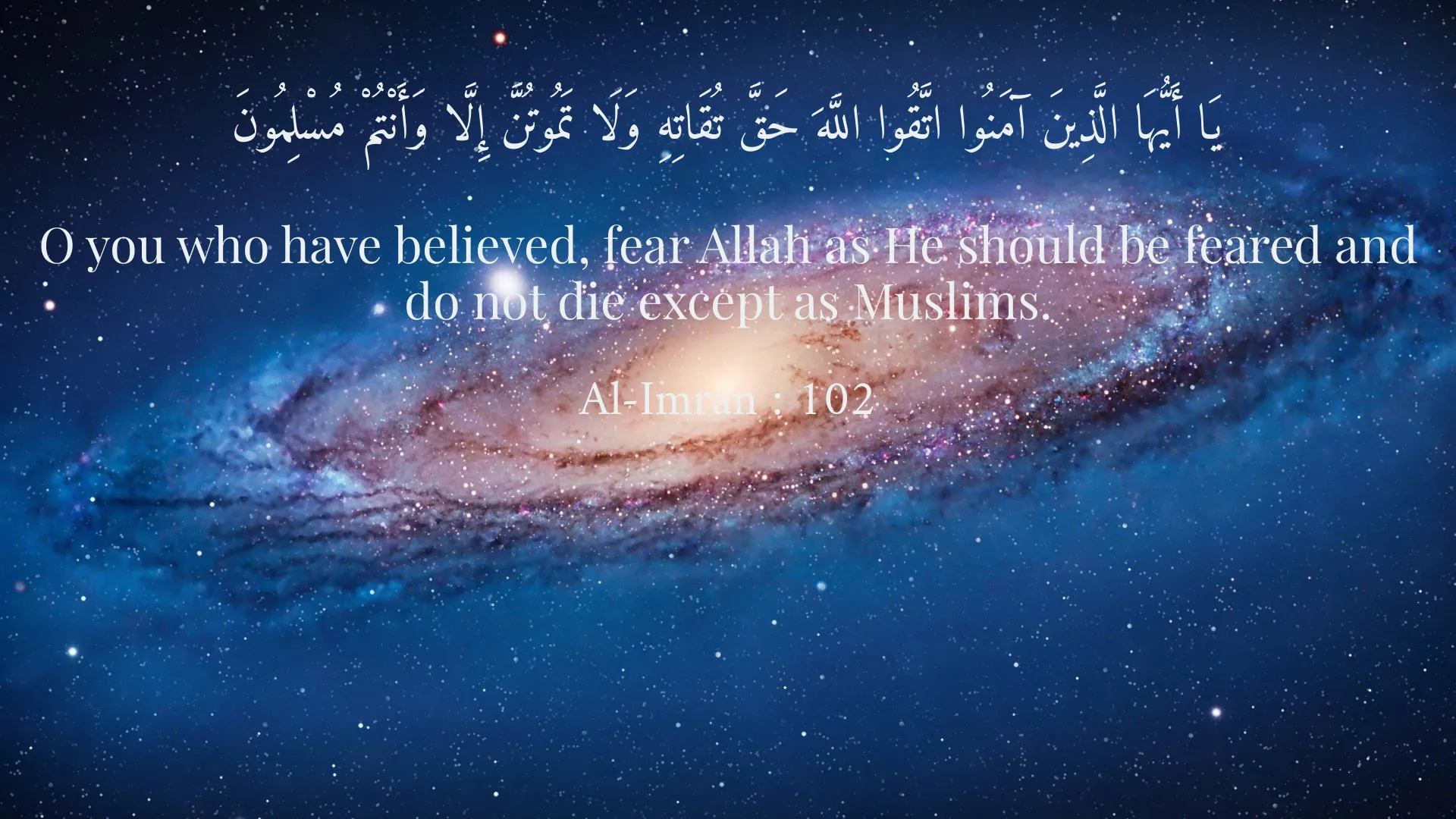
يَا أَيُّهَا الَّذِينَ آمَنُوا اتَّقُوا اللَّهَ حَقَّ تُقَاتِهِ وَلَا تَمُوتُنَّ إِلَّا وَأَنْتُمْ مُسْلِمُونَ
O you who have believed, fear Allah as He should be feared and do not die except as Muslims.
Al-Imran : 102
يَا أَيُّهَا الَّذِينَ آمَنُوا كُتِبَ عَلَيْكُمُ الصِّيَامُ كَمَا كُتِبَ عَلَى الَّذِينَ مِن قَبْلِكُمْ لَعَلَّكُمْ تَتَّقُونَ
O you who have believed, decreed upon you is fasting as it was decreed upon those before you that you may become righteous.
Al-Baqarah : 183
قَدْ أَفْلَحَ الْمُؤْمِنُونَ
Certainly will the believers have succeeded.
Al-Mu'minun : 1
Short Story
One day, Hamid felt lonely and was searching for peace. A friend invited him to the mosque. There, Hamid met individuals who were all striving for piety and closeness to God. He sensed that among them, he could reach a state of piety. Gradually, by participating in worship, prayers, and fasting, he felt a greater sense of peace, and his life changed. He grew closer to God and sought His pleasure.