Quranic Answer
The Significance of Faith and Its Protection in the Holy Quran Faith, also known as ‘Iman’ in Arabic, is a cornerstone of the Islamic belief system and plays a critical role in the life of every Muslim. The Holy Quran reminds us of the importance of nurturing and protecting our faith, elucidating its significance in various verses. One of the profound illustrations of this can be found in Surah Al-Baqarah, verse 153, where Allah advises: 'O you who have believed, seek help through patience and prayer. Indeed, Allah is with the patient.' In this verse, patience (Sabr) and prayer (Salah) are emphasized as fundamental components for fortifying one's faith. This guidance is significant as it establishes a direct connection between religious practices and the strength of one’s belief system. Patience, in the Islamic context, entails endurance in the face of adversity, persistence in acts of worship, and maintaining a tranquil demeanor amidst life's trials. The notion of being patient is further reinforced by the assurance from Allah that He is with those who are patient. This divine companionship serves as a source of motivation for Muslims striving to uphold their faith in challenging times. Prayer, on the other hand, is regarded as a form of direct communication with Allah, an opportunity to seek guidance, forgiveness, and solace. Together, patience and prayer form a powerful duo that not only strengthens one's faith but also fosters resilience against the trials life presents. Another powerful verse related to the transient nature of worldly life and the ultimate accountability on the Day of Resurrection can be found in Surah Al-Imran, verse 185: 'Every soul will taste death, and you will only be given your full compensation on the Day of Resurrection.' This verse serves as a poignant reminder of life's ephemeral aspects, including fame, wealth, and worldly pleasures. Within the context of faith, it is essential to recognize that prioritizing worldly gains can often lead to the neglect of one's spiritual duties. The Holy Quran encourages believers to focus on their faith and engage in righteous deeds, as these will be their true companions when they transition to the afterlife. Moreover, the pursuit of fame and worldly recognition can occasionally overshadow the remembrance of Allah, leading to a diminished faith. Therefore, believers should remain vigilant, ensuring that their aspirations for success do not divert their attention from their spiritual responsibilities. As mentioned in Surah Al-Munafiqun, verse 9: 'O you who have believed, do not let your wealth and your children distract you from the remembrance of Allah.' This admonition serves to remind us that attachment to worldly possessions and familial relationships can, if left unchecked, pose a significant threat to our spiritual well-being. In an age dominated by social media and the pursuit of public recognition, the warning against being distracted by wealth and familial ties becomes increasingly relevant. Many individuals find themselves caught up in the desire for fame, often sacrificing their time and devotion to Allah. The Holy Quran urges believers not to allow their wealth and familial bonds to act as barriers to the remembrance of Allah. This requires a conscious effort to cultivate a balanced life, where worldly responsibilities coexist with spiritual duties. Faith is ever-evolving, requiring continual nurturing and protection. The teachings of the Quran instruct us on the importance of maintaining a strong connection to Allah through various acts of worship, moral actions, and remembrance. Engaging in regular prayer, reflecting upon the Quran, and participating in community service are all avenues that foster a deeper relationship with Allah. Moreover, establishing connections with fellow believers can provide a support system essential for spiritual growth. The company we keep can significantly influence our faith; thus, surrounding ourselves with individuals who embody and inspire a strong faith is crucial. The interplay between patience, prayer, and the transient nature of worldly life shapes the Islamic concept of faith. Strengthened by these characteristics, believers learn to navigate life's ups and downs with resilience. The realization that one’s faith transcends the temporal affairs of the world propels Muslims to engage actively in self-improvement and the attainment of virtues that please Allah. The pursuit of knowledge, the practice of kindness, and the cultivation of humility are essential attributes that contribute to a believer's growth and the protection of their faith. In conclusion, the Holy Quran serves as a guiding light for believers, emphasizing the significance of faith and its protection. The messages conveyed in verses such as those from Surah Al-Baqarah, Al-Imran, and Al-Munafiqun encompass essential reminders about the virtues of patience and prayer, the transient nature of worldly life, and the potential distractions from spiritual duties. As Muslims, it is imperative that we strive to maintain a strong connection with Allah, ensuring that our faith remains unwavering amidst life's challenges. By keeping our focus on the eternal and engaging in righteous deeds, we can protect our faith from the distractions that arise from the love of the world. Ultimately, true success lies not in the fleeting nature of fame and wealth, but in the richness of our faith and the enduring rewards that await in the hereafter.
Related Verses
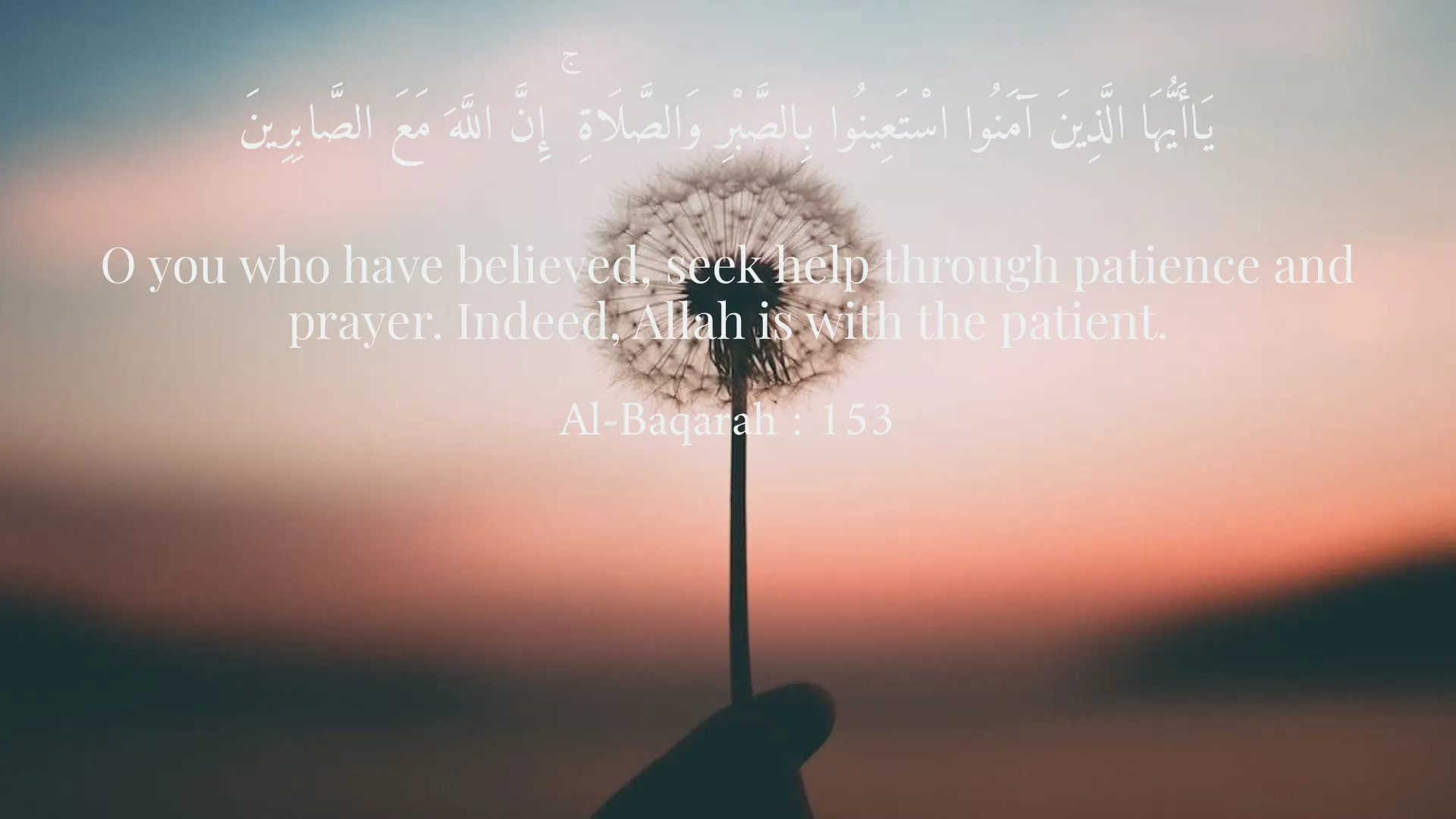
يَاأَيُّهَا الَّذِينَ آمَنُوا اسْتَعِينُوا بِالصَّبْرِ وَالصَّلَاةِ ۚ إِنَّ اللَّهَ مَعَ الصَّابِرِينَ
O you who have believed, seek help through patience and prayer. Indeed, Allah is with the patient.
Al-Baqarah : 153
كُلُّ نَفْسٍ ذَائِقَةُ الْمَوْتِ ۖ وَإِنَّمَا تُوَفَّوْنَ أُجُورَكُمْ يَوْمَ الْقِيَامَةِ ۚ فَمَن زُحْزِحَ عَنِ النَّارِ وَأُدْخِلَ الْجَنَّةَ فَقَدْ فَازَ ۚ وَمَا الْحَيَاةُ الدُّنْيَا إِلَّا مَتَاعُ الْغُرُورِ
Every soul will taste death, and you will only be given your full compensation on the Day of Resurrection.
Al-Imran : 185
يَا أَيُّهَا الَّذِينَ آمَنُوا لَا تُلْهِكُمْ أَمْوَالُكُمْ وَأَوْلَادُكُمْ عَنْ ذِكْرِ اللَّهِ ۖ وَمَن يَفْعَلْ ذَٰلِكَ فَأُو۟لَـٰئِكَ هُمُ الْخَاسِرُونَ
O you who have believed, do not let your wealth and your children distract you from the remembrance of Allah. And whoever does that - then those are the losers.
Al-Munafiqun : 9
Short Story
There is a story about Adel who was always thinking about fame and success. However, he got so caught up in worldly affairs that he forgot the remembrance of Allah. Over time, the feeling of failure and dissatisfaction in his life intensified. One day, while reading the Quran, he came across these verses and realized he needed to establish a balance between this world and the afterlife. From that day, he reduced his attachment to worldly matters and devoted more time to worship and connecting with Allah. This change not only brought him peace but also improved his quality of life.