Quranic Answer
The acceptance of repentance is a pivotal theme in the Holy Quran, signifying the mercy and forgiveness of Allah. This aspect is not only comforting for believers but also illustrates the path of returning to righteousness after having erred. The Quran provides numerous references to the significance of repentance, its conditions, and the consequent reward from Allah for those who sincerely turn back to Him. Each of these references serves as a beacon of hope, urging individuals to foster a genuine relationship with their Creator through repentance and good deeds. The Quranic verse in Surah Az-Zumar, verse 53, serves as a profound invitation addressing the believers. Allah commands through this verse, "Say, O My servants who have believed, fear your Lord. For those who do good in this world is good, and the earth of Allah is spacious. Indeed, the patient will be given their reward without account." This verse encapsulates the key concept that despite committing grave sins, forgiveness is within reach for those who sincerely repent. The reference to patience and doing good highlights that repentance should be coupled with perseverance in righteous actions. The expansive nature of Allah's earth also suggests that there is an abundance of opportunities for one to seek forgiveness and improve. True repentance, known in Arabic as 'Tawbah', goes beyond mere verbal confession; it entails a heartfelt return to Allah and an earnest abandoning of sinful behavior. It requires that an individual acknowledges their misdeeds with genuine remorse, expresses a strong intent to rectify their actions, and commits to avoiding those sins in the future. This multifaceted nature of repentance is crucial, as Allah states that sincere remorse is a core component of the repentance accepted by Him. In Surah Al-Ma'idah, verse 39, the promise is particularly encouraging: "And whoever repents and does righteous work, indeed, he will be among the successful." This suggests a clear connection between repentance and the pursuit of righteousness. Such verses serve as motivation for the believer to strive towards a positive transformation in their lives. Moreover, in Surah An-Nisa, verse 17, the Quran emphasizes Allah's willingness to forgive His servants: "Indeed, Allah accepts the repentance of those who do wrong in ignorance and then repent soon after. It is they to whom Allah will turn in mercy, and Allah is Knowing and Wise." This verse reinforces the notion that Allah’s mercy is vast and that those who repent earnestly, even if they have sinned out of ignorance, can be hopeful of His forgiveness. The condition of repentance being sincere and genuine is reiterated, showcasing the importance of understanding the nature of one's actions and the deep desire to atone for them. Furthermore, the Quran elucidates that repentance is not merely for individuals but also holds a communal aspect. Society plays a crucial role in supporting those who have repented and encouraging their reintegration into the community. Islam teaches that it is essential to foster an environment where individuals feel comfortable seeking forgiveness without fear of judgment. This collective responsibility enhances the spiritual development of the community while enabling individuals to pursue a righteous path openly. Thus, the acceptance of repentance is not just a personal journey but also a collective mandate that nurtures compassion and understanding among people. God’s abundant mercy can be observed in the several verses of the Quran that highlight themes of forgiveness. In Surah Al-Furqan, Allah states, "And those who do not invoke with Allah another deity or kill the soul which Allah has forbidden, and do not commit unlawful sexual intercourse. And whoever should do that will meet a penalty. The punishment will be doubled for him on the Day of Resurrection, and he will abide therein humiliated. Except for those who repent, believe and do righteous work. For them Allah will replace their evil deeds with good. And ever is Allah Forgiving and Merciful" (Surah Al-Furqan, 68-70). This highlights the transformational power of true repentance and the immense mercy that comes from Allah following one’s sincere efforts to atone. In light of these teachings, it is necessary for individuals to understand the essence of true repentance. It is not merely asking for forgiveness; it is about embodying a spirit of humility, recognizing one's faults, and striving to embody virtues that reflect the teachings of Islam. The call to repentance serves as a continual reminder of Allah's mercy and the potential for renewal that exists within every individual’s heart. The repeated emphasis on sincere remorse and good deeds makes it clear that repentance is a dynamic process leading to spiritual awakening and purification. In conclusion, the theme of repentance in the Holy Quran establishes a deeply nurturing relationship between Allah and His servants. The verses we explored highlight the comprehensive nature of repentance beyond simple verbal apologies, illustrating that true repentance requires a transformation of the heart accompanied by righteous actions. It reassures believers that they can always return to their Creator regardless of their past misdeeds, emphasizing the boundless mercy and compassion of Allah. Thus, embracing a path of sincere repentance is essential for believers, serving as a reminder that every sin can be overcome by a genuine return to faith and commitment to righteousness. As the Quran makes clear, no one is too far gone to seek Allah's forgiveness, and the door of mercy remains open as individuals strive to cultivate their relationship with their Maker.
Related Verses
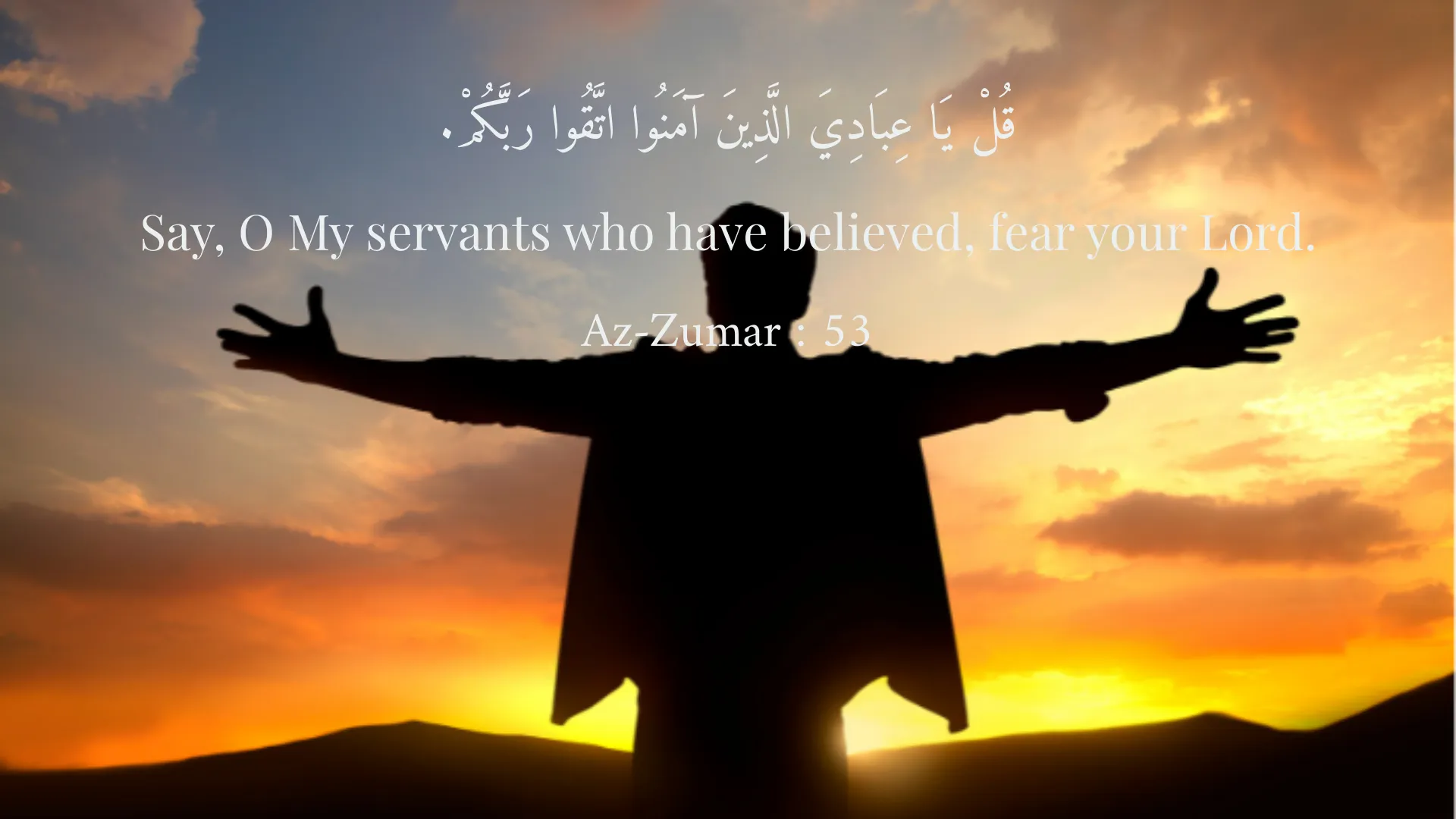
قُلْ يَا عِبَادِيَ الَّذِينَ آمَنُوا اتَّقُوا رَبَّكُمْ.
Say, O My servants who have believed, fear your Lord.
Az-Zumar : 53
وَمَن تَابَ وَعَمِلَ صَابِحَةً فَإِنَّهُ يَعُدُّ من الناجحين.
And whoever repents and does righteous work, indeed, he will be among the successful.
Al-Ma'idah : 39
إِنَّمَا تَوْبَةُ الَّذِينَ يَعْمَلُونَ سُوءَ بِجَهَالَةٍ ثُمَّ يَتُوبُونَ مِن قَرِيبٍ.
Indeed, the repentance of those who do wrong in ignorance and then repent soon is accepted.
An-Nisa : 17
Short Story
Once upon a time, there was a young man named Ahmad who had committed major sins. He found himself in deep pain and despair. However, one day he came across a verse from the Quran and felt that he still had the chance to repent. He tried to return to Allah with all his heart and left his sins behind. He prayed and sincerely repented. After some time, he felt a tremendous peace and light filling his heart and noticed that his life had transformed.