Quranic Answer
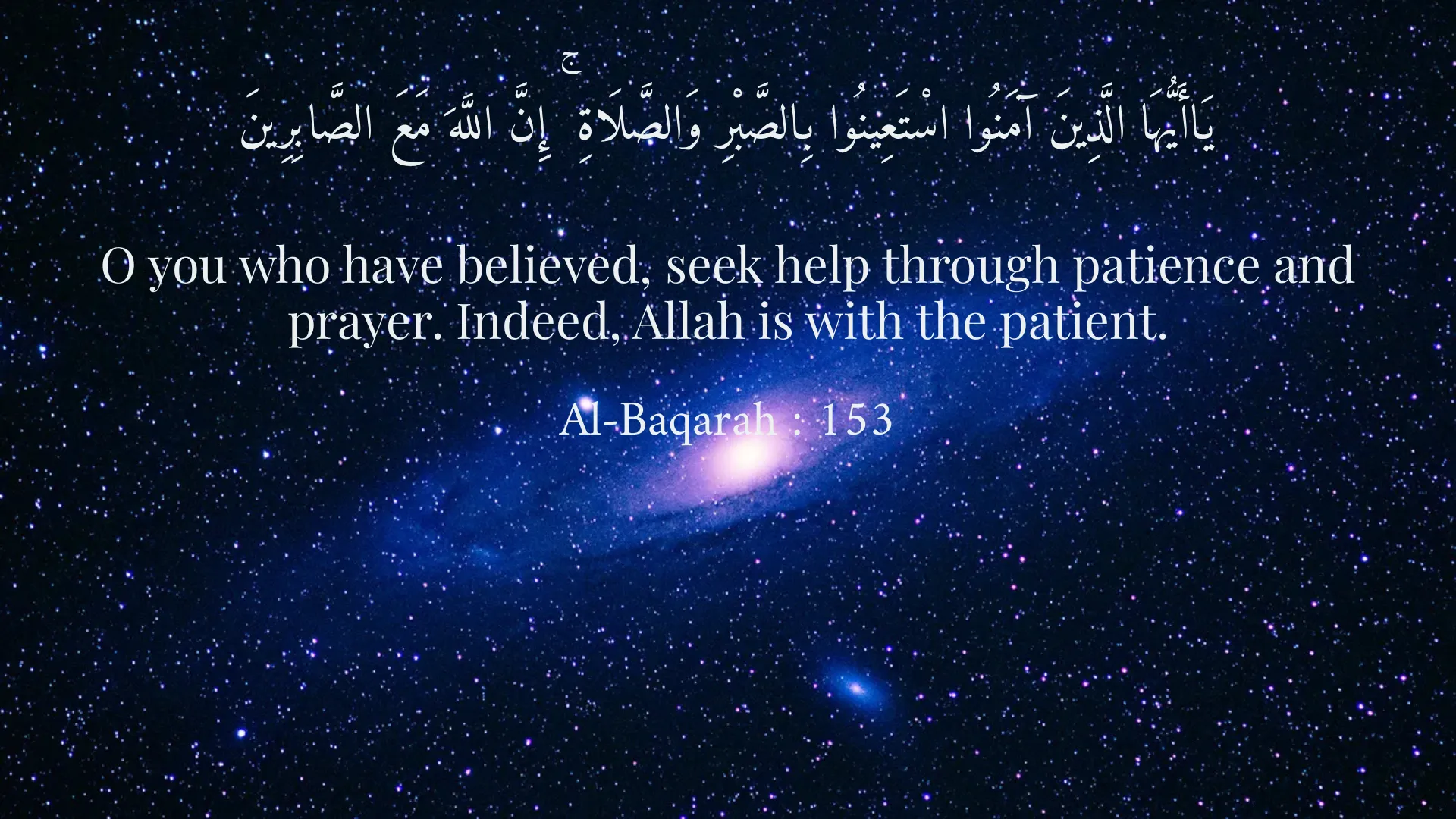
In the Holy Quran, patience and endurance are not just encouraged; they are deemed essential qualities for a believer’s life journey. Being a central theme in various verses, patience serves as a pivotal attribute that guides individuals through trials and tribulations that life inevitably presents. In this regard, the Quran offers profound insights as well as divine reassurances to those who endure adversities. As outlined in Surah Al-Baqarah, verse 153, Allah states, "O you who have believed, seek help through patience and prayer. Indeed, Allah is with the patient." This excerpt reinforces the idea that patience is not simply a passive state of waiting but an active engagement that requires commitment and faith. This verse is significant in several ways; first, it highlights the importance of seeking help through patience and prayer. Both faith practices are intertwined, suggesting that a believer must remain steadfast in their faith while enduring the challenges life throws at them. The invocation to rely on prayer complements patience, as it creates a spiritual foundation upon which individuals can stand firm during turbulent times. The promise, "Indeed, Allah is with the patient," serves as a heartfelt reminder that believers are never alone in their struggles. This divine companionship is a source of strength and comfort, emphasizing that God’s support is ever-present for those who persevere. Moreover, endurance is a recurrent theme within the Quran, illuminating the character of many prophets who have had to navigate the storms of life. Surah Al-Imran, verse 146 states, "Many of the prophets fought, and with them were some who were believers; but how many were they who fought in the cause of Allah?" This verse is pivotal as it not only showcases the trials faced by prophets but also highlights their resolve and commitment to faith in the face of adversity. It conveys the lesson that trials are not a sign of abandonment by Allah but rather an opportunity for believers to unify their faith and develop a deeper understanding of reliance on Him. When analyzing these verses, it becomes evident that patience is not merely a characteristic but a critical component of successful navigation through life’s adversities. It serves as a testament to one’s resilience and strength of belief. This idea correlates with the notion that true patience manifests itself during difficult times when faith is tested the most. The urge to take quick action in the face of problems is counterproductive when one can draw strength from patience and prayer. The implication of patience extends beyond just the individual; it impacts families, communities, and even nations. A society that embraces patience and endurance is better equipped to handle crises and challenges. For instance, communities can experience social unrest, economic downturns, or health crises, and the collective patience can play a pivotal role in overcoming such challenges. When individuals within a society express patience, it fosters understanding, compassion, and collective resilience. This, in turn, creates a more harmonious environment in which everyone can thrive. Furthermore, it is important to understand that patience can also act as a transformative agent in personal growth. The experience of hardship, when met with endurance, often leads to profound personal development. Believers who practice patience often emerge stronger and more equipped to deal with future challenges. They develop qualities such as empathy, kindness, and often a clearer perspective on life. This personal growth reflects not just an individual’s strength but also the communal legacy that patience leaves behind for future generations. The teachings of the Quran regarding patience also serve as a valuable lesson in modern times, where instant gratification is often prioritized over enduring hardship. In today’s fast-paced world, individuals may find it increasingly challenging to be patient. The sense of urgency may lure them into making hasty decisions that could have detrimental effects in the long run. However, reflecting on the messages from the Quran can cultivate a deeper understanding of one’s situation and encourage more mindful approaches to challenges. Thus, invoking a sense of patience can guide individuals towards making more informed and deliberate choices rather than reacting impulsively to pressing issues. This practice can transform the way individuals navigate through their daily lives, promoting a sustainable approach towards handling difficulties. Moreover, patience can foster deeper relationships. When individuals practice patience in their relationships, they create an environment of trust and understanding. For example, in family dynamics, patience can diffuse tensions and prevent misunderstandings from escalating. It encourages individuals to communicate and resolve issues rather than succumb to frustration or anger. This can build stronger bonds and encourage a supportive network that uplifts every member. Additionally, patience is often accompanied by a feeling of peace and assurance. It grants individuals the ability to focus on their inner strength and trust in Allah’s plan. The act of being patient cultivates a sense of tranquility and acceptance, allowing believers to understand that life is a test meant to bring them closer to Allah. This realization can bring profound comfort, ensuring that individuals feel secure amidst uncertainty. In conclusion, the teachings of the Quran emphasize the significant role that patience and endurance play in the life of a believer. These qualities foster resilience, provide strength in times of hardship, and promote a sense of community and mutual support. The reminders from the Quran encourage individuals to cultivate patience in their daily lives, drawing on the understanding that Allah is always present to support the patient. By embodying this principle, believers not only enrich their own lives but also contribute positively to the fabric of their communities. Ultimately, patience can serve as a beacon of light, guiding individuals through life's challenges and fostering growth, compassion, and unity among all.
Related Verses
يَاأَيُّهَا الَّذِينَ آمَنُوا اسْتَعِينُوا بِالصَّبْرِ وَالصَّلَاةِ ۚ إِنَّ اللَّهَ مَعَ الصَّابِرِينَ
O you who have believed, seek help through patience and prayer. Indeed, Allah is with the patient.
Al-Baqarah : 153
وَكَمْ مِنْ نَبِيّ قَاتَلَ مَعَهُ رِجَالٌ كَثِيرٌ؛ فَمَا وَهَنُوا لِمَا أَصَابَهُمْ في سَبيلِ الله.
And how many a prophet fought with him, and with him were many who did not weaken for what afflicted them in the cause of Allah.
Al-Imran : 146
لَيْسَ الْبِرَّ أَنْ تُوَلُّوا وَجُوهَكُمْ قِبَلَ الْمَشْرِقِ وَالْمَغْرِبِ وَلَكِنَّ الْبِرَّ مَنْ آمَنَ بِاللَّهِ وَالْيَوْمِ الْآخِرِ وَالْمَلَائِكَةِ وَالْكِتَابِ وَالْنَّبِيِّينَ وَآتَى الْمَالَ عَلَى حُبِّهِ ذَوِي الْقُرْبَى وَالْيَتَامَى وَالْمَسَاكِينَ وَابْنَ السَّبِيلِ وَالسَّائِلِينَ وَفِي الرِّقَابِ وَأَقَامَ الصَّلَوٰةَ وَآتَى الزَّكَاةَ وَالْمُوفُونَ بِعَهْدِهِمْ إِذَا عَاهَدُوا وَالصَّابِرِينَ فِي الْبَأْسَاءِ وَالضَّرَّاءِ وَحِينَ الْبَأْسِ أُو۟لَـٰئِكَ الَّذِينَ صَدَقُوا ۖ وَأُو۟لَـٰئِكَ هُمُ الْمُتَّقُونَ
Righteousness is not that you turn your faces toward the east or the west, but [true] righteousness is in one who believes in Allah, the Last Day, the Angels, the Book, and the Prophets and gives his wealth, in spite of his love for it, to relatives, orphans, the needy, the traveler, those who ask [for help], and for freeing slaves; and [who] establishes prayer and gives zakah; [those who fulfill their promise when they promise] and [those who are] patient in poverty and hardship and during battle. Those are the ones who have been true, and it is those who are the righteous.
Al-Baqarah : 177
Short Story
One day, a man was struggling with the hardships of life. He always complained about his difficulties and couldn't find the patience to endure. However, one night he dreamt of meeting a wise man. The wise man told him, 'Be patient, for hard times are like passing from darkness to light. Patience is the key to peace and triumph over one's soul.' With this message, he decided to be patient, and as days passed, his troubles lessened, and peace flowed into his heart. He realized that Allah is with the patient and that patience is indeed a great blessing.