Quranic Answer
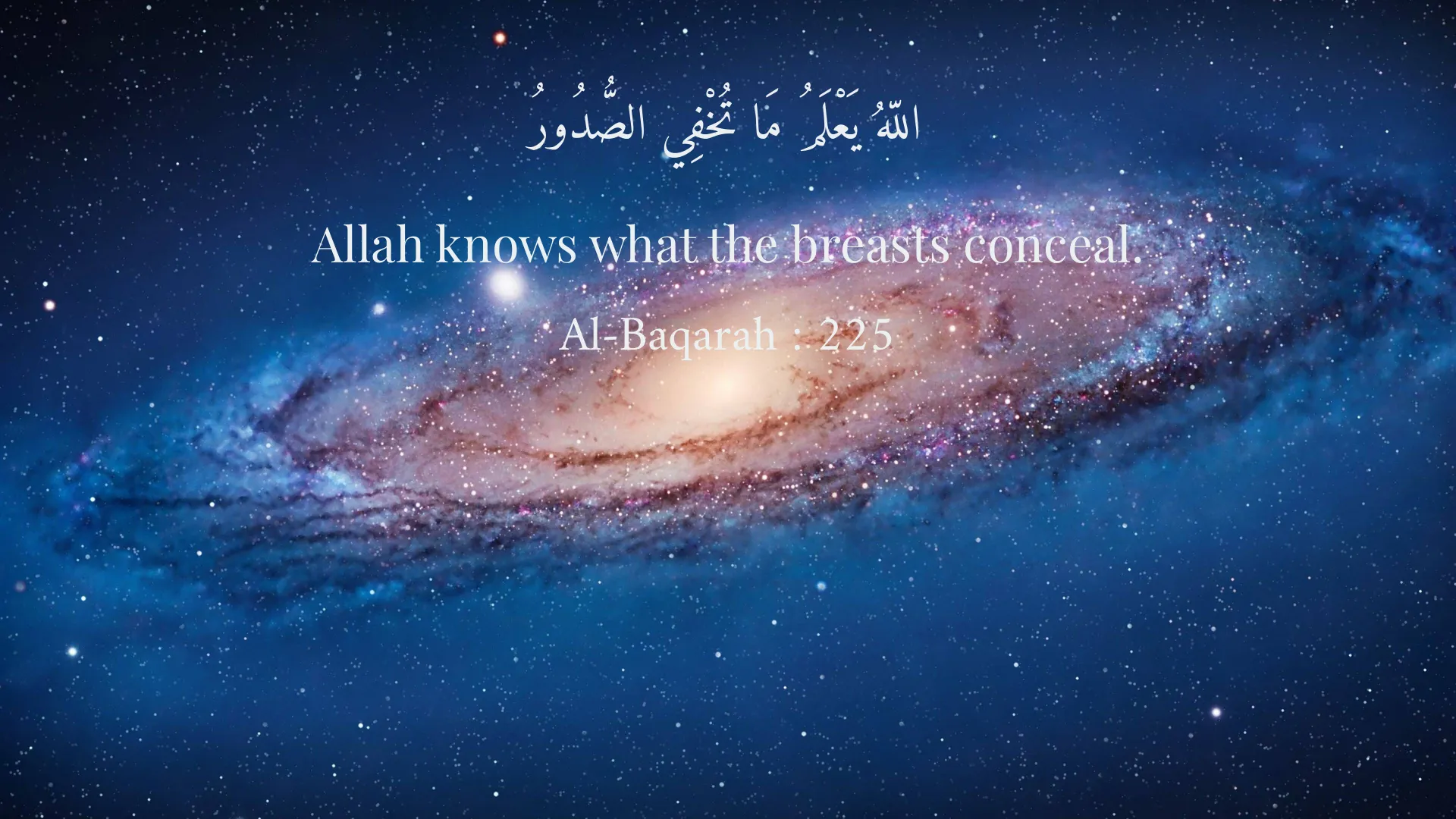
The Importance of Intention in Islam: An In-depth Analysis In the realm of Islamic teachings, intention (niyyah) plays a critical role in the acceptance and validity of actions performed by believers. The importance of intention is deeply rooted in the Holy Quran and is frequently referenced throughout Islamic texts. The significance of intention is not merely confined to the actions themselves but extends to the very essence of human consciousness and moral responsibility. The Quran serves as the primary source to discuss the relationship between intention and divine awareness, providing intricate insights into the way human intentions shape one’s actions and spirituality. ### Divine Knowledge of Human Intentions Central to the understanding of intention in Islam is the concept that Allah (God) is fully aware of human thoughts and intentions. This awareness is highlighted in numerous verses of the Quran, indicating that Allah does not only see the external actions of individuals but also comprehends the internal desires and motivations that govern those actions. One of the most profound verses that encapsulate this theme is found in Surah Al-Baqarah, verse 225, which states: "Allah knows what the breasts conceal." This statement asserts that God's knowledge encompasses the hidden thoughts and feelings of every individual. The term "breasts" symbolizes the inner self, denoting both the heart and the mind as the centers of intention. It also suggests that no human can hide their true intentions from Allah; He is aware of the motivations behind every action, regardless of how well they may be concealed from others. Moreover, Surah Aal-E-Imran, verse 29 further emphasizes this divine omniscience: "Say, whether you conceal what is in your breasts or reveal it, Allah knows it." This verse accentuates the futility of trying to obscure one’s true intentions, reaffirming that Allah is aware of both the overt and covert facets of human deliberation. The concept emphasizes a level of accountability that transcends mere behavior; it insists on a profound moral and spiritual authenticity, urging individuals to align their actions with sincere motivations. ### Intention as the Foundation of Deeds The essence of intention is highlighted further when considering its role as the driving force behind actions. In any endeavor, particularly those of religious significance, the underlying intention influences not only the outcome but the very nature of the act itself. This brings us to an important Quranic reference, found in Surah Al-Hadid, verse 18: "Indeed, Allah accepts from the righteous." This verse points to the notion that only actions performed with pure and sincere intentions are worthy of acceptance by Allah. Hence, intention serves as the foundation upon which deeds are built, rendering them meaningful or devoid of value based on the internal motivations behind them. The teachings of Prophet Muhammad (peace be upon him) further elucidate this point. One of the most famous hadiths states, "Actions are judged by intentions, and everyone will get what they intended." This statement draws attention to the fact that the reward or penalty attached to an action is intrinsically linked to the intention behind it. For instance, an individual may perform an act of charity; if this act is performed with the intention of seeking Allah's pleasure, the act is rendered virtuous. Conversely, if the same action is undertaken to gain social recognition or praise, its spiritual value diminishes significantly. ### The Moral and Social Implications of Intention Understanding the importance of intention extends beyond personal spirituality; it has profound social implications as well. In a societal context, the emphasis on intention fosters a culture of integrity and authenticity. When individuals are aware that their internal motivations are known to Allah, it instills a sense of moral responsibility that encourages them to act sincerely. This not only shapes one’s personal conduct but transcends into interactions with others, promoting fairness, honesty, and compassion within communities. The clarity of intention acts as a compass, guiding believers in their daily interactions. It serves to prevent hypocrisy and superficiality—core issues that can plague social relations. By nurturing a culture where sincerity is paramount, society can cultivate trust and cooperation among individuals, ultimately leading to a more harmonious existence. The Quran's insistence on pure intentions provides a pathway towards genuine relationships, built on the foundation of mutual respect and understanding. ### Purifying Intentions in Acts of Worship In the context of worship, purifying one's intention is of utmost importance. Rituals such as prayer (Salah), fasting (Sawm), and pilgrimage (Hajj) are not merely physical acts; they require a conscious engagement of the heart and mind. Worship should be directed solely towards Allah, devoid of ulterior motives. The process of purifying one's intention before engaging in acts of worship ensures that believers approach these sacred practices with sincerity. In Islam, a key component of worship is the concept of 'Ikhlas' (sincerity). This is succinctly articulated in the verse from Surah Al-Bayyina: "And they were not commanded except to worship Allah, [being] sincere to Him in religion." This underscores the notion that the essence of faith lies in sincerity, which is intrinsically linked to the quality of one's intentions. ### Conclusion In conclusion, the significance of intention in Islam transcends the action itself, encompassing the very heart and soul of a believer. The Quran and teachings of Prophet Muhammad (peace be upon him) highlight the importance of pure, sincere intentions in performing good deeds and worship. Allah's knowledge of human intentions fosters a sense of accountability, urging individuals to align their external actions with their internal motivations. This relationship not only shapes personal spirituality but also influences social interactions, promoting integrity and authenticity within communities. Thus, striving to purify one's intentions becomes essential in the quest for spiritual growth and moral excellence. Through understanding the profound nature of intention, believers can foster a closer relationship with Allah and embody the principles of sincerity and righteousness in every aspect of their lives.
Related Verses
اللّهُ يَعْلَمُ مَا تُخْفِي الصُّدُورُ
Allah knows what the breasts conceal.
Al-Baqarah : 225
قُلْ إِن تُخْفُوا مَا فِي صُدُورِكُمْ أَوْ تُبْدُوهُ يَعْلَمْهُ اللَّهُ
Say, whether you conceal what is in your breasts or reveal it, Allah knows it.
Aal-E-Imran : 29
إِنَّمَا يُتَقَبَّلُ اللَّهُ مِنَ الْمُتَّقِينَ
Indeed, Allah accepts from the righteous.
Al-Hadid : 18
Short Story
One day, a man was pondering his intentions and wondered if Allah pays attention to what is in his heart. When he read the Quran and came across verses regarding intention, he realized that his hidden intents are also noted by Allah. He decided to purify his intentions for every action he performs, and in this way, he transformed his life. Soon, he noticed that by clarifying his intentions, he experienced more peace and satisfaction.