Quranic Answer
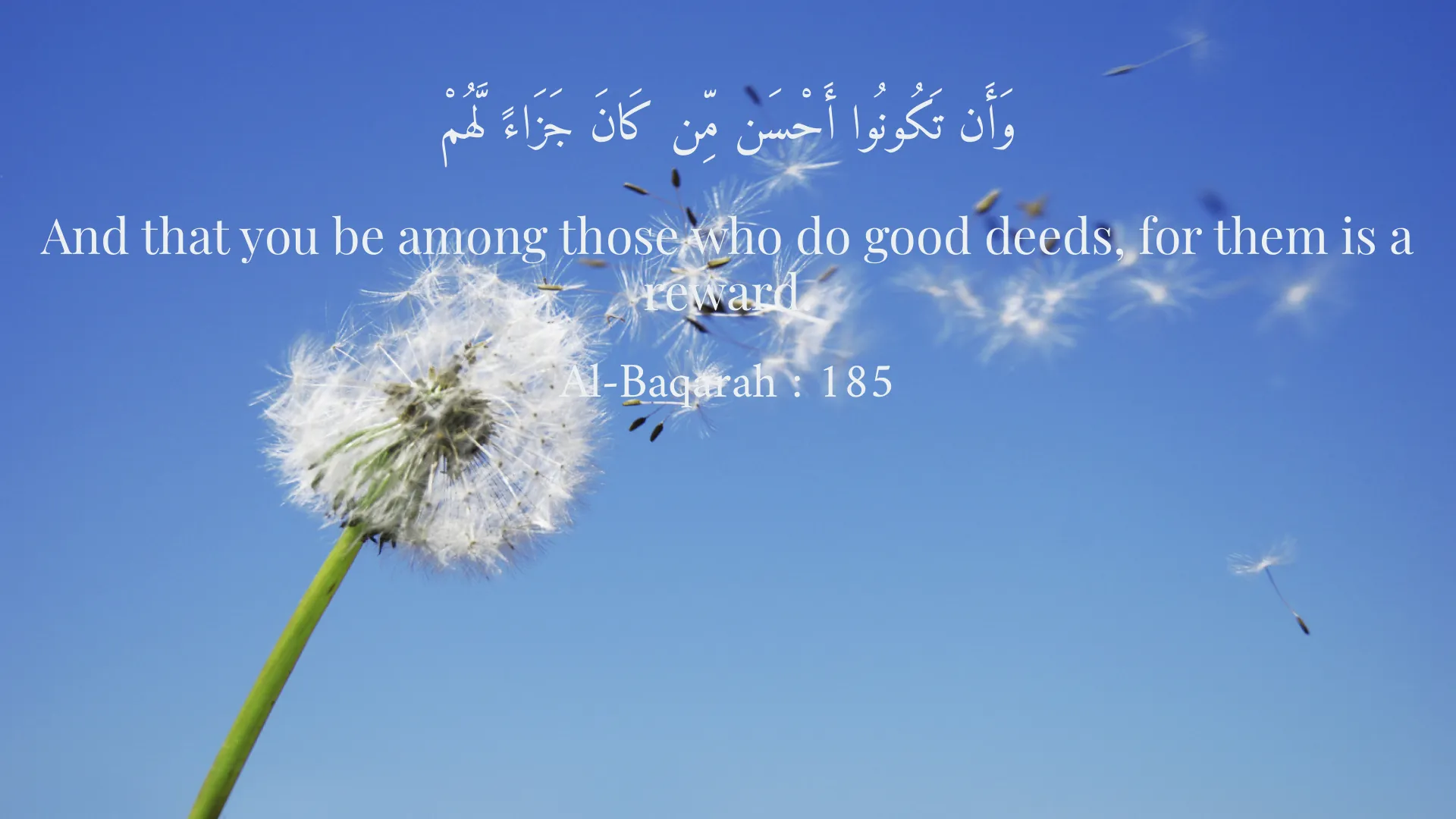
In the Holy Quran, the principle of Allah's mercy and forgiveness is elaborated in numerous verses, indicating that even the intention to repent is rewarded by Allah. This theme permeates the teachings of Islam, reminding believers that no matter how far they may stray, there is always an opportunity for redemption and a path back to righteousness. The Quran emphasizes the centrality of mercy and forgiveness not merely as abstract concepts, but as foundational principles that guide the lives of Muslims. It frames the relationship between Allah and His creation as one characterized by understanding, compassion, and a readiness to forgive sincere mistakes and shortcomings. In Surah Al-Baqarah, verse 185, it states: "And that you be among those who do good deeds, for them is a reward." This verse underscores the paramount importance of intention and good will in one’s actions. It conveys a powerful message that the very act of intending to do good is recognized by Allah and is rewarded. This is particularly significant for individuals who may struggle with their past decisions. The road to reform begins with a single intention, and the Quran assures believers that their efforts to align their actions with righteousness will not go unnoticed. In Surah At-Tahreem, verse 8, Allah commands the believers to turn back to Him and cleanse them from their sins, stating: "O you who have believed, repent to Allah with sincere repentance." This directive is not mere encouragement; it is a divine invitation to recognize one’s mistakes, seek forgiveness, and strive for personal betterment. The sincerity of one’s repentance is crucial, as it reflects a genuine desire to retreat from wrongdoing and to embrace a path filled with righteousness. Such a call to repentance fosters a culture of self-reflection and growth, where individuals are encouraged to continually assess their actions and intentions. The conclusion drawn from these verses is that Allah accepts the intention of repentance and considers it a virtuous act. This is illustrative of the loving nature of the divine, who understands human frailty and imperfections. It is a reminder that believers are human and will err, but it is their response to such errors that defines their character and their relationship with Allah. The awareness that Allah is ready to forgive those who sincerely seek forgiveness serves as a profound motivator for believers. In daily life, it is often seen where an individual, despite past mistakes, decides to repent and improve their behavior. This decision is not merely a personal journey but resonates within the broader community. When one person chooses to seek forgiveness and reform, it can inspire others to do the same. In this way, the act of repentance becomes a ripple effect, promoting a more compassionate and understanding environment among individuals. This also aligns with Islamic teachings that emphasize the importance of community and collective growth. Furthermore, the prevalence of Allah's mercy means that believers need not lose hope, regardless of the weight of their sins. The message here is one of hope and encouragement; regardless of how far one may stray from the path, there lies an opportunity to return, to seek forgiveness, and to embrace a life devoted to righteousness. The Quran continually reminds its readers that God's mercy extends beyond human comprehension, beckoning all to seek Him earnestly and sincerely. Therefore, with His endless mercy, Allah rewards sincere and righteous intentions, making it evident through true repentance. This exemplifies God's infinite mercy, which accepts anyone that strives to return to His path. This infinite mercy is a fundamental aspect of the believer's journey, encouraging individuals to strive for self-improvement and moral integrity. Ultimately, the sacred invitation to repent is a gift that reflects the profundity of Allah's compassion and the transformative power of sincere intentions in guiding individuals toward a life filled with goodness. The teachings in the Quran not only promote a profound understanding of divine mercy but also provide ethical guidance on how to live a life rich in integrity, kindness, and purpose. When believers consider the principles of intention and repentance, they can firmly grasp the essence of their faith – that Allah embodies mercy and that every individual can find their way back to His grace through sincerity and good action. As these teachings penetrate the hearts of the faithful, they cultivate a spirit of resilience and hope, empowering believers to rise above their challenges and continually strive toward moral rectitude.
Related Verses
وَأَن تَكُونُوا أَحْسَن مِّن كَانَ جَزَاءً لَّهُمْ
And that you be among those who do good deeds, for them is a reward.
Al-Baqarah : 185
يَا أَيُّهَا الَّذِينَ آمَنُوا تُوبُوا إِلَى اللَّهِ تَوْبَةً نَّصُوحًا
O you who have believed, repent to Allah with sincere repentance.
At-Tahreem : 8
Short Story
One day, a young man named Saman reflected on the mistakes he had made in his life. Gradually, he realized that he could seek forgiveness from Allah. Saman decided to take his intention for repentance seriously and turn back to God. Inspired by the verses of the Quran, he asked Allah for forgiveness and worked diligently to improve himself. He noticed each passing day brought him more peace in his heart, and it became clear to him that with every step towards goodness, Allah rewarded him.