Quranic Answer
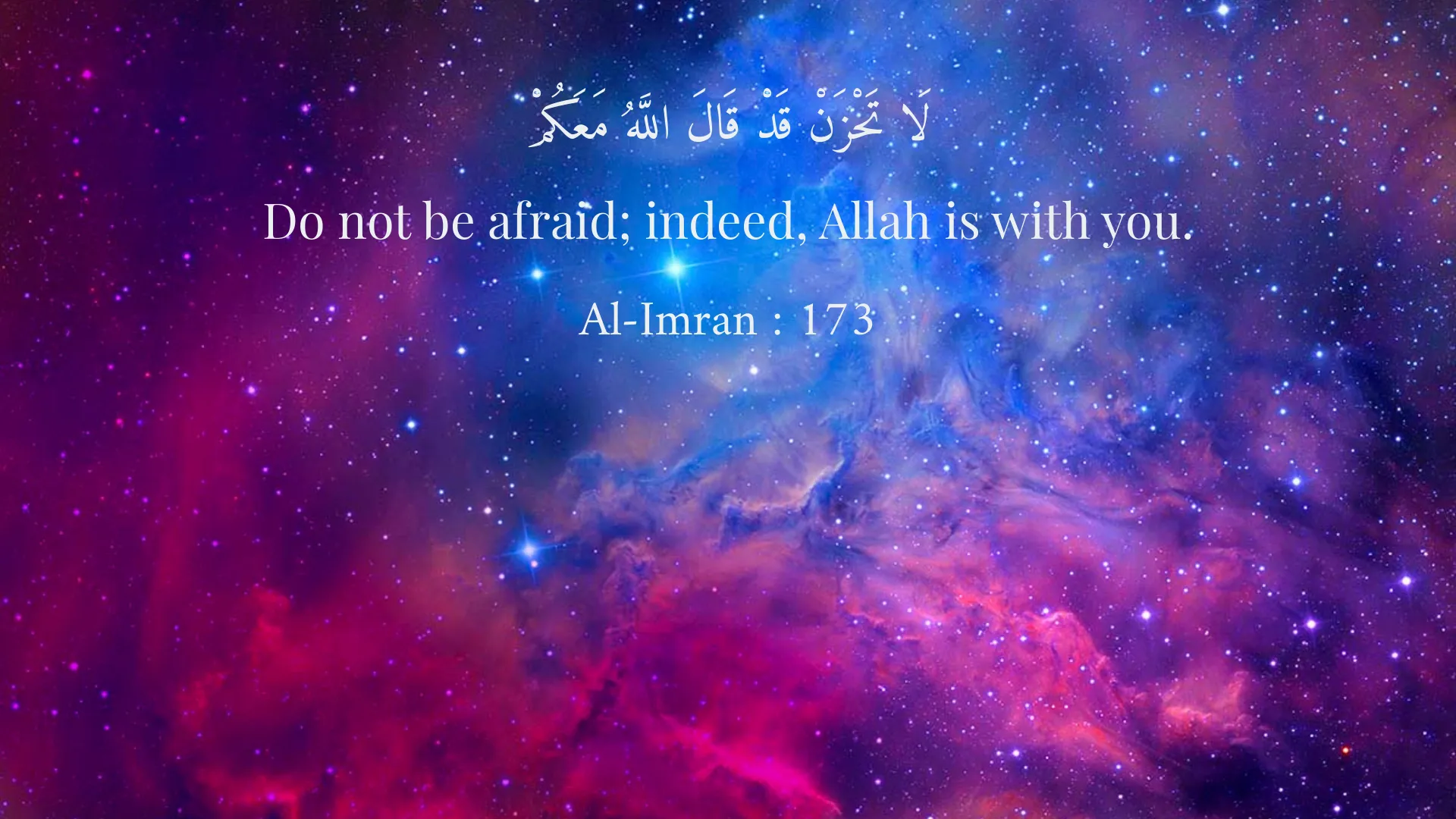
In the Holy Quran, faith in God and reliance on Him are emphasized as fundamental aspects of a believer's life. The Quran, considered the ultimate source of guidance for Muslims, provides a comprehensive framework for understanding the divine relationship between humans and their Creator. The essence of faith in Allah is depicted not merely as an abstract belief, but as an active trust and reliance on God's will, especially during challenging times. However, it is essential to note that this unwavering faith does not eliminate human emotions such as fear. In fact, fear is a natural response that individuals experience when confronted with challenges and dangers in life. In Surah Al-Imran, verse 173, Allah reminds believers not to succumb to fear in the face of threats and difficulties and to maintain their trust in Him. This verse states: "Do not be afraid of what they said; indeed, Allah is with you." Herein lies a powerful reassurance that faith does not equate to a lack of fear; rather, it serves as a tool to help believers navigate their fears with conviction and strength. Fear, as a psychological and emotional response, can be heightened in moments of uncertainty, danger, or adversity. For many, these feelings may prompt avoidance or retreat from the challenges at hand. However, within the Islamic framework, fear should not paralyze individuals; instead, it should serve as a catalyst for deeper faith and reliance on Allah. This concept can be further explored through various examples from Islamic teachings, where prophets faced enormous challenges yet remained steadfast in their faith. The Quran consistently emphasizes the importance of acknowledging fear as a human trait, while simultaneously encouraging believers to confront and overcome it. By trusting in Allah, individuals can find the courage to face their fears, knowing they are not alone in their struggles. Surah Al-Baqarah, verse 286, conveys this message beautifully: "Allah does not burden a soul beyond that it can bear." This verse serves as a reminder that, during significant challenges and the fears they engender, believers are never isolated. Instead, they are supported by divine strength and assurance that they possess the inner resources to overcome adversity. The relationship between faith and fear is multifaceted. By acknowledging that fear is a natural part of life, believers can seek solace in their faith, fostering resilience, hope, and strength. This perspective is crucial, especially as individuals navigate through difficult circumstances, whether they are personal struggles, communal challenges, or broader societal issues. By embracing their faith, individuals can transform fear into positive action and meaningful change, trusting that Allah's wisdom and guidance will lead them towards fulfilling outcomes. Moreover, Islamic teachings encourage believers to engage in practices that support their faith and mitigate their fears. Prayer (Salah), supplication (Dua), and reflection on the Quran serve as pivotal components that can strengthen one’s connection with Allah. Praying five times a day instills a sense of discipline, grounding believers and allowing them to reconnect with their faith continuously. Furthermore, turning to Allah through personal supplications can provide comfort, allowing individuals to express their innermost fears and concerns, knowing that they are directing their pleas to the One who understands their plight the best. Community also plays a vital role in this interplay between faith and fear. The bonds of brotherhood and sisterhood that occur among believers can help combat loneliness and fear. Engaging with a community of like-minded individuals reinforces a collective sense of faith, providing support in times of uncertainty. When believers unite to share their challenges, fears, and triumphs, they create a space for understanding, empathy, and strength, enabling one another to rise above discomfort. Furthermore, historical narratives within the Quran provide remarkable examples of individuals who faced fear with courage and faith. Figures like Prophet Musa (Moses) faced daunting adversities, including his confrontation with Pharaoh, where fear was significant, yet his faith led him to confront the situation head-on, empowered by his trust in Allah. Such stories not only provide inspiration for contemporary believers but are also practical illustrations of how to manage fears through faith. Ultimately, faith in God, as cultivated through the Quran, provides believers with the tools necessary to face life’s challenges. Recognizing that fear is a universal experience allows believers to appreciate that they are part of a larger human narrative. While challenges may induce fear, it is the reliance on Allah that guides believers to find their strength and courage. The teachings of Islam invite individuals not to shy away from fear but to confront it with the assurance that Allah’s infinite wisdom and care will see them through. In summary, the relationship between faith and fear is complex, yet profoundly intertwined. The Quran invites believers to trust in Allah while acknowledging their fears, leading to a transformative journey of resilience and strength. The divine promises assure believers of their capacity to handle life's burdens, thus creating a space where faith can flourish amidst fear. In the face of uncertainty, maintaining faith in Allah and reliance on Him can help one navigate life's tribulations, ultimately leading to personal growth and spiritual fulfillment.
Related Verses
لَا تَحْزَنْ قَدْ قَالَ اللَّهُ مَعَكُمْ
Do not be afraid; indeed, Allah is with you.
Al-Imran : 173
لَا يُكَلِّفُ اللَّهُ نَفْسًا إِلَّا وُسْعَهَا
Allah does not burden a soul beyond that it can bear.
Al-Baqarah : 286
Short Story
One day, a wise man felt a deep sense of fear in his heart. He remembered the Quranic verses and realized that it was natural to feel afraid. He decided to trust Allah and face life's challenges with confidence. A few days later, when confronted with a significant issue, he recalled the verse that said Allah was with him, and from that day forward, he felt a greater strength.