Quranic Answer
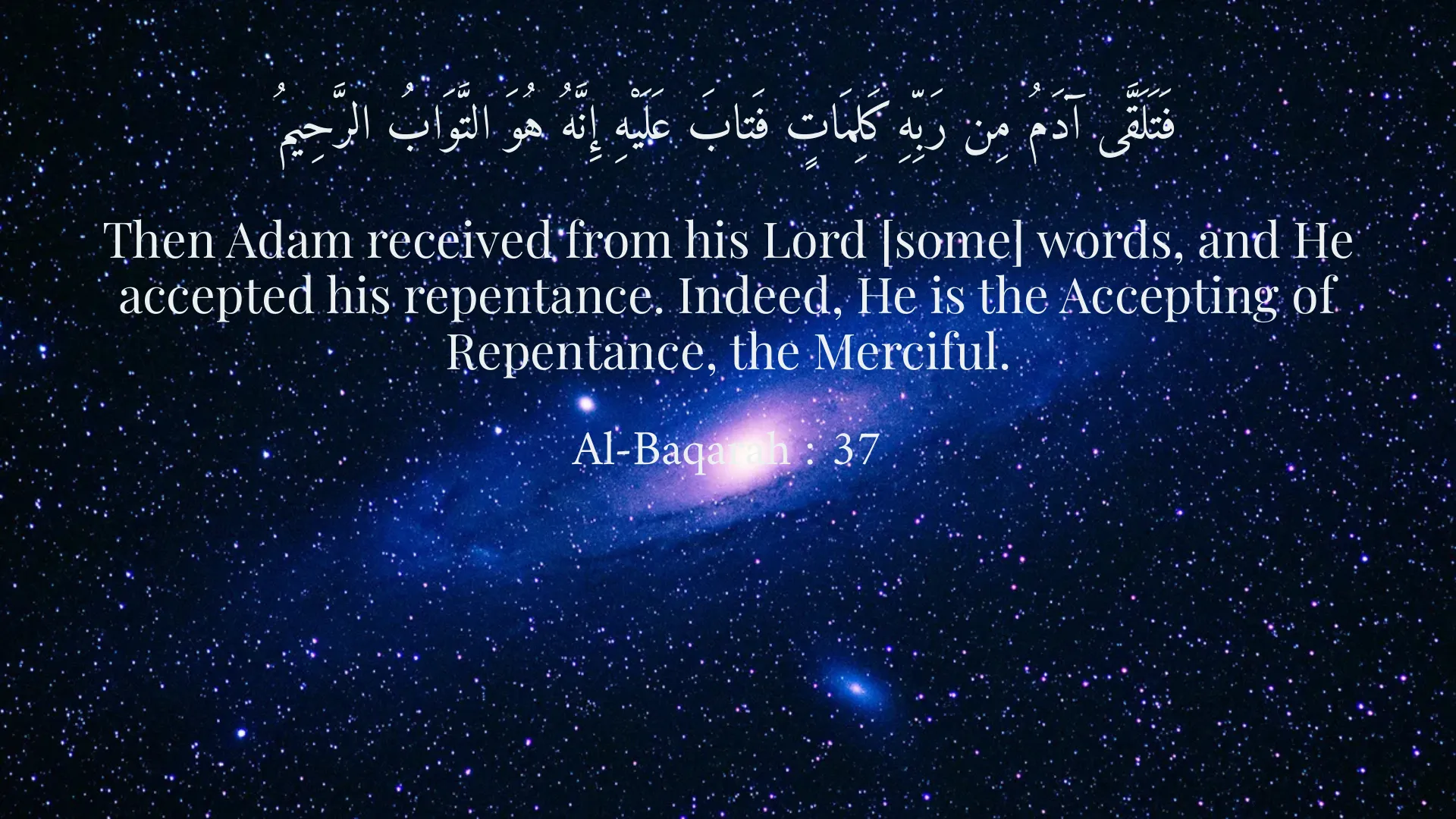
Faith, as described in the Quran, is a fundamental characteristic that embodies heartfelt belief, adherence to divine commandments, and a commitment to rectify one’s errors. In the Muslim belief system, faith is not merely the act of believing in the existence of God; it encompasses a much broader and more profound understanding of one's relationship with the Creator, as well as with fellow beings. This conceptualization of faith is deeply rooted in the teachings of the Quran, where it is presented as a living and dynamic force motivating individuals toward moral actions and spiritual growth. True faith, as depicted in the Quran, does not imply that a person is devoid of mistakes or shortcomings. Rather, it signifies an individual's sincere endeavor to seek repentance and return to God after recognizing their transgressions. In Surah Al-Baqarah, verse 37, Allah states, 'Then Adam received from his Lord [some] words, and He accepted his repentance.' This verse is a powerful reminder that even prophets, who are revered and considered exemplary figures, experienced errors. The story of Adam reveals that through heartfelt repentance and a genuine turning back to God, individuals can remedy their mistakes, regardless of the gravity of their transgressions. Furthermore, in Surah Al-Furqan, verse 70, Allah says: 'Except for those who repent, believe and do righteousness.' This verse underscores the intricate relationship between faith, repentance, and righteous actions. It reminds us that the door to return to God is always open, inviting believers to continuously strive toward correcting and compensating for their errors. This continuum of repentance and self-improvement is essential to the conceptual framework of faith in Islam. In essence, faith is not synonymous with the absence of mistakes. Instead, it encapsulates a journey of continuous effort aimed at self-improvement and drawing closer to God. The believer recognizes their inherent flaws and imperfections, embracing a process of growth that is intrinsic to the human experience. The acknowledgment of mistakes is a vital aspect of faith, as it lays the groundwork for personal development and moral integrity. Each individual is prone to errors; however, a true believer actively learns from their mistakes and seeks to enhance their actions on the path of faith and good deeds. For instance, when a believer falls short of their ethical or moral standards, they do not merely succumb to despair or shame; rather, they view it as an opportunity to reflect on their actions, seek forgiveness from Allah, and strive to rectify their behavior. This effort to harness one's faults for personal growth is a hallmark of a genuine faith, illustrating the practical wisdom embedded within Islamic teachings. Moreover, the concept of repentance, or ‘Tawbah’ in Arabic, is pivotal in the Quran's treatment of faith. It signifies more than just a verbal expression of regret; it involves a profound internal transformation and a commitment to change one's behavior moving forward. Allah’s infinite mercy is a recurring theme in the Quran, as He assures believers that He is always willing to accept their repentance if they approach Him sincerely. This fosters a sense of hope and motivates individuals to engage in self-reflection and improvement, despite their failings. Repentance serves as a spiritual cleanse, allowing believers to re-establish their connection with God. The cycle of sin, repentance, and righteous deeds cultivates humility within individuals, reminding them of their servant status before the Creator. In Surah Al-Zumar, verse 53, Allah explicitly invites His servants to turn to Him, stating, 'O My Servants who have believed, fear your Lord. For those who do good in this world is good, and the earth of Allah is spacious. Indeed, the patient will be given their reward without account.' This reinforces the notion that believers should not despair in the face of their mistakes but rather embrace the path of redemption, thereby enhancing their relationship with the Almighty. Additionally, the essence of faith intertwines not only with individual efforts toward self-improvement but also with communal dimensions. A believer's faith draws them towards nurturing relationships within their community, promoting acts of kindness, compassion, and social justice. The Quran emphasizes the importance of treating others with fairness and kindness; it presents ethical conduct within the community as a reflection of one’s inner faith. In this manner, the development of faith manifests not only in one's personal journey toward self-betterment but also in contributing positively to the society at large. Consequently, the Quran encourages believers to establish a community based on mutual support, understanding, and moral encouragement. It highlights the interconnectedness of human experiences and the collective journey toward righteousness. Support from fellow believers can propel individuals toward their goals of self-improvement and religious observance. This collective dimension of faith reinforces the idea that individual mistakes can serve as catalysts for group learning and moral growth. In conclusion, faith, as outlined in the Quran, is a comprehensive and deeply transformative journey that entails recognizing one’s flaws, seeking repentance, and pursuing self-improvement while fostering a communal spirit. It is an ongoing endeavor that binds the believer not only to God but also to their community. As individuals navigate the complexities of life, they are reminded that the essence of true faith lies in the pursuit of rectification and righteousness, cultivating a profound relationship with God and fellow beings. The journey of faith is continuous, ever-evolving, and ultimately grounded in a sincere commitment to grow spiritually and morally, reflecting an unwavering dedication to adhere to divine commandments.
Related Verses
فَتَلَقَّى آدَمُ مِن رَبِّهِ كَلِمَاتٍ فَتابَ عَلَيْهِ إِنَّهُ هُوَ التَّوَابُ الرَّحِيمُ
Then Adam received from his Lord [some] words, and He accepted his repentance. Indeed, He is the Accepting of Repentance, the Merciful.
Al-Baqarah : 37
إِلَّا مَن تَابَ وَآمَنَ وَعَمِلَ عَمَلًا صَالِحًا فَأُولَـٰئِكَ يَدْخُلُونَ الْجَنَّةَ وَلَا يُظْلَمُونَ شَيْئًا
Except for those who repent, believe and do righteous deeds. Those will enter Paradise and will not be wronged at all.
Al-Furqan : 70
Short Story
One day, a sage was sitting in the desert, contemplating about God. He thought to himself if someone like him could ever be free from mistakes. Suddenly, he realized that making mistakes is part of life, and God is always close to him. He decided that whenever he made a mistake, he would return to God with repentance and pure heart.