Quranic Answer
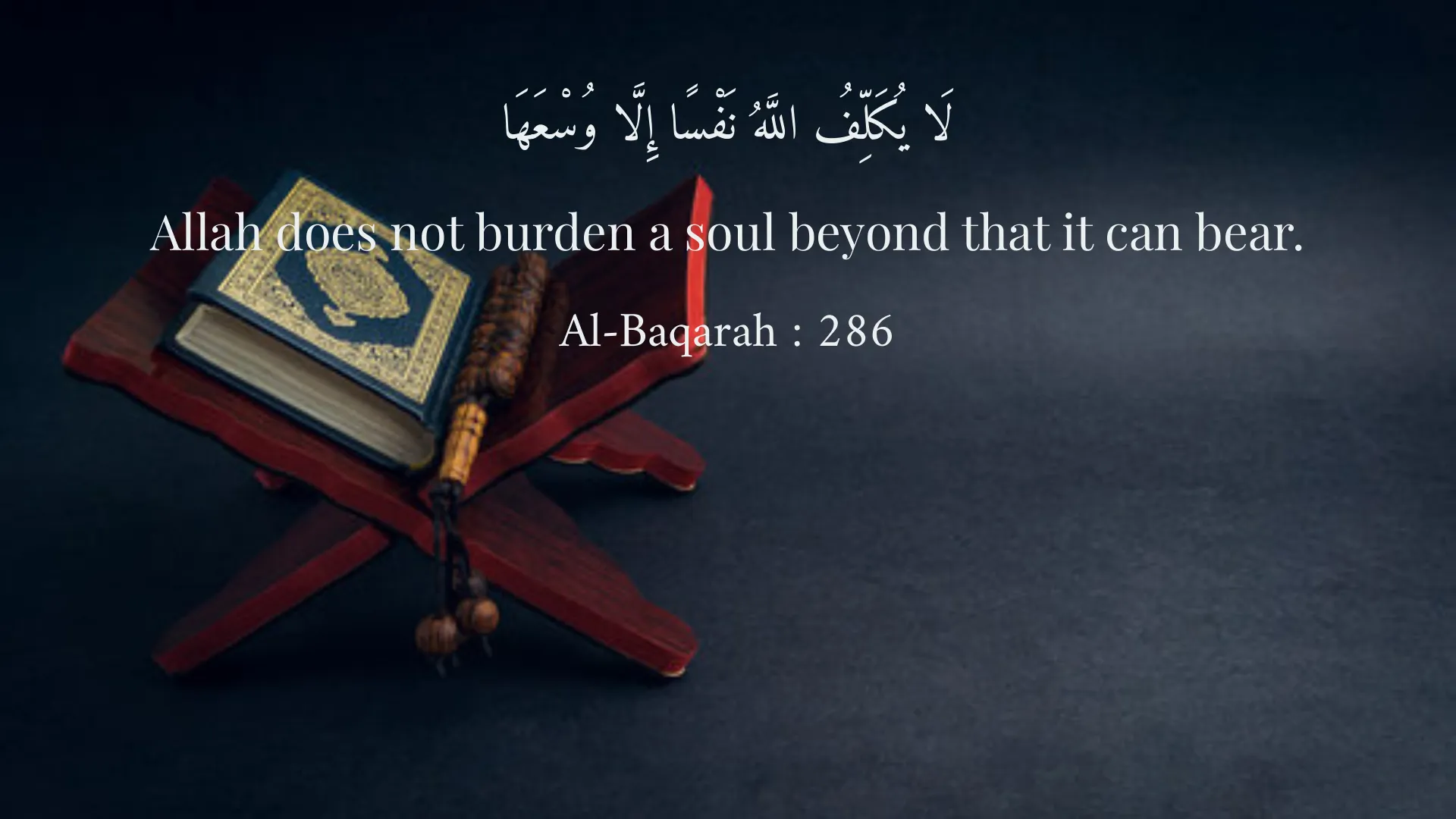
In the Holy Quran, one of the primary themes that resonates with believers is the understanding of human imperfection and the compassionate nature of God. The scripture recognizes that humans, due to their inherent characteristics and earthly nature, are prone to commit mistakes. This acknowledgement serves as a foundation for personal growth and spiritual development. In particular, two verses stand out in illustrating these concepts: Surah Al-Baqarah, verse 286, and Surah Al-Furqan, verse 70. These verses collectively emphasize God's understanding, mercy, and the importance of repentance in the journey of life. To comprehend the kindness and understanding of God towards humanity, it is essential to delve into Surah Al-Baqarah, verse 286, which states, ‘Allah does not burden a soul beyond that it can bear.’ This verse is a profound testament to the mercy and compassion that God extends towards His creations. It highlights the reality that individuals face numerous challenges and difficulties throughout their lives, but God, in His infinite wisdom, ensures that these burdens are within human capacity. This message is essentially a promise; it reassures believers that while one may encounter hardships or make small mistakes in their journey, these experiences are part of the broader human condition that God has created. Additionally, this verse is pivotal in underscoring the very nature of human existence. It acts as a reminder that making small errors is not only natural but expected. Thus, believers are encouraged to view their mistakes through the lens of growth rather than despair. The struggles faced, whether moral, physical, or spiritual, are balanced with God’s love and support, offering a nurturing environment that fosters improvement and personal evolution. This leads to the understanding that setbacks are not definitive failures, but they are opportunities to reflect, learn, and aspire to do better. Metaphorically speaking, life can be viewed as a school; each mistake and subsequent lesson learned contributes to one's education. Just as students are not condemned for failing a test, individuals are not excused from the possibility of salvation and forgiveness after making mistakes. The message permeates through the coconut fibers of Islamic teachings, encouraging believers to adopt a gracious attitude towards themselves in moments of imperfection. Rather than holding a punitive perspective towards these missteps, believers are urged to embrace vulnerability as part of their spiritual journey, maintaining an intention to learn and grow from every instance. Furthermore, Surah Al-Furqan, verse 70, provides an additional layer of understanding by emphasizing, ‘Except for those who repent, believe and do righteous work. For them Allah will replace their evil deeds with good.’ This verse serves as a beacon of hope for believers, reinstating the concept that no matter the depth of one's mistakes, there exists a pathway back to goodness through sincere repentance and righteous actions. Here, the conditions for redemption – repentance, belief, and righteousness – are presented as essential steps to not only seek forgiveness but to also actively transform one’s life in a positive direction. In this way, the Quran emphasizes the transformative potential of repentance. It indicates that the act of returning to God is not only a means of seeking forgiveness but also a catalyst for positive change. When individuals earnestly repent and realign their intentions towards good deeds, they pave the way for a renewed self. The previous mistakes, labeled previously as ‘evil deeds,' can consequently be replaced with ‘good deeds’ that contribute positively to the community and to oneself. This transformative nature of repentance illustrates God’s unwavering mercy and the belief that every individual has the capacity to change and grow, regardless of their past. The repeated assurances found within these verses compel believers to engage actively with their faith. They encourage self-awareness, advancing towards improvement while recognizing the flawed nature of humanity. Believers are inspired not to indulge in despair over their shortcomings but to see these as stepping stones towards their spiritual advancement. The emphasis on repentance fosters a profound sense of humility and accountability, urging individuals to take responsibility for their actions while galvanizing them towards righteous living and fulfillment of divine commands. Ultimately, the essence of these teachings underlines a critical distinction; mistakes and imperfections form an intrinsic part of the human experience, but they are not insurmountable barriers separating the individual from God’s love and mercy. Instead, God’s encouragement to return, repent, and rediscover a path filled with grace reinforces the notion that humanity is inherently capable of growth and redemption. This merciful forgiveness operates as a lifeline, inviting humanity back into God’s fold, urging individuals to rise from their errors, and continuously strive to emulate goodness. In conclusion, the teachings of the Holy Quran serve to remind believers that mistakes are merely stepping stones in their spiritual journey rather than definitive failures. Through God's immense love and mercy, believers are reminded that they are afforded endless opportunities to repent and reflect on their actions. These vital concepts emphasize the importance of humility, personal growth, and the continuous pursuit of righteousness in the rich tapestry of human experience. Thus, the Quran not only serves as a religious text but also as a powerful guide for personal development, underscoring the belief that no mistake is irredeemable and that the journey of a believer is a dynamic interplay of sin, repentance, and spiritual elevation.
Related Verses
لَا يُكَلِّفُ اللَّهُ نَفْسًا إِلَّا وُسْعَهَا
Allah does not burden a soul beyond that it can bear.
Al-Baqarah : 286
إِلَّا مَن تَابَ وَآمَنَ وَعَمِلَ صَالِحًا فَأُولَـئِكَ يُبَدَّلُ اللَّهُ سَيِّئَاتِهِمْ حَسَنَاتٍ
Except for those who repent, believe and do righteous work. For them Allah will replace their evil deeds with good.
Al-Furqan : 70
Short Story
Once upon a time, there was a young man named Farhad who often found himself making small mistakes in life and felt that God was displeased with him. One day, while reciting God's praises aloud, he reflected on how merciful God is. Step by step, he aimed for self-improvement and remembered the Quranic verses that reminded him that God loves His servants and always gives them the chance to repent. Farhad realized that wherever God is, He is full of mercy and forgiveness and encourages him to strive harder.