Quranic Answer
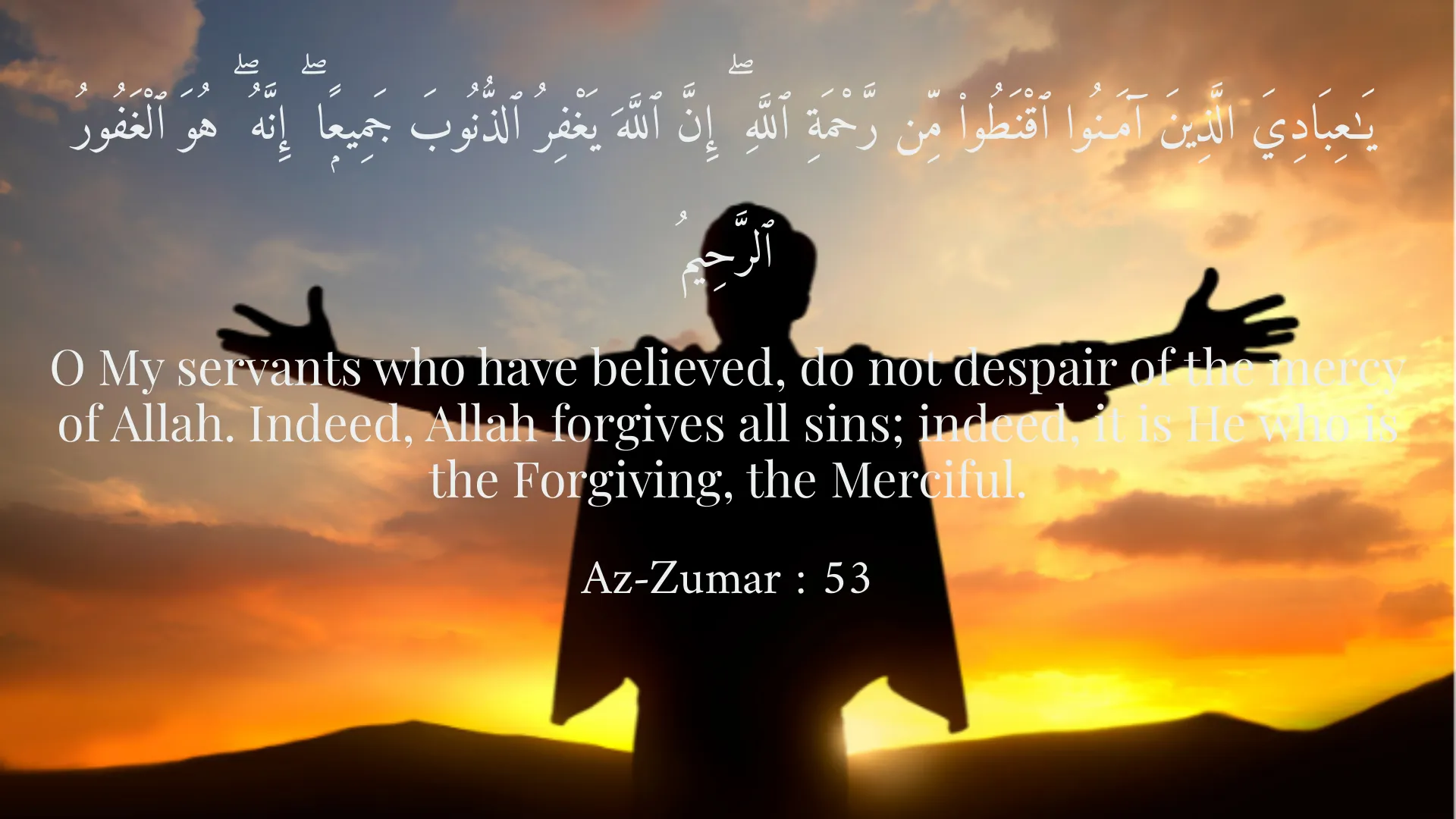
The concept of God's forgiveness is a profound theme that permeates the verses of the Holy Quran, offering a lens through which believers can understand the nature of mercy and repentance in Islam. This theme is especially significant in a world often clouded by despair, guilt, and the feeling of irredeemability. Allah’s words, as captured in Surah Az-Zumar, verse 53, resonate powerfully: "O My servants who have believed, do not despair of the mercy of Allah. Indeed, Allah forgives all sins; indeed, it is He who is the Forgiving, the Merciful." This assertion not only affirms God's readiness to pardon but also serves as a clarion call to individuals who may feel overwhelmed by their transgressions. The essence of this verse lies in its promise that every human being, regardless of the magnitude of their sins, holds a path toward redemption and forgiveness through sincere repentance. The Quran's repeated emphasis on forgiveness is both comforting and uplifting. For many, it provides a robust source of hope. The belief that no sin is beyond Allah's mercy empowers individuals to embrace a mindset of reform rather than resignation to their mistakes. In Surah Al-Baqarah, verse 222, Allah emphasizes His attributes further by declaring, "Indeed, Allah is Most Forgiving and Most Merciful." This notion solidifies the belief that no one should ever shy away from seeking forgiveness, as it is through this pursuit that one may reconnect with their faith and purpose. Moreover, in Surah Al-An'am, verse 54, the Quran states: "And when those come to you who believe in Our verses, say, 'Peace be upon you! Your Lord has decreed mercy upon Himself.'" This not only highlights God's mercy but also establishes a framework for interpersonal relationships among believers. The greeting of peace emphasizes a community built on the foundations of compassion and forgiveness, encouraging individuals to mirror God's mercy in their dealings with one another. This spiritual and social fabric nurtures an environment where individuals can seek out support and understanding during their times of repentance. However, it is crucial to underscore that the gateway to divine forgiveness, as professed in Islamic teachings, necessitates genuine repentance. The term 'Tawbah' in Arabic embodies the act of returning to Allah from wrongdoing, encompassing feelings of remorse, a withdrawal from sinful behavior, and a firm resolve not to repeat the transgressions. This multi-faceted process illustrates a commitment to personal development and spiritual growth. Hence, while Allah's mercy is boundless, the act of seeking forgiveness is regarded as a serious commitment, reflecting one's sincerity in wishing to amend their actions and seek a better path. The Quran elaborates on the nature of repentance as a means to attain Allah’s mercy multiple times, portraying the individuals who turn back to Him as beloved servants. In fact, the narrative of the sinners who sincerely repent often occupies a significant place in Islamic teachings. It serves to remind the believers that each person is susceptible to sin but is afforded the opportunity to seek forgiveness. The Quran encourages believers to acknowledge their faults and take steps towards rectification. This reflects a broader philosophical underpinning of Islam that emphasizes personal agency and accountability, which are crucial to the journey of faith. The balance of hope and responsibility creates a rich tapestry of belief in Islam, whereby adherents are continually reminded of God’s closeness and the opportunity to improve themselves. This transformative journey fosters not only an individual evolution but also a collective strengthening of the community. As believers strive for personal improvement through seeking forgiveness and practicing mercy, they simultaneously contribute to a more forgiving society. Furthermore, the theme of forgiveness is not only limited to personal sins; it extends to how believers treat others. Allah commands forgiveness not just from Him but also encourages individuals to forgive one another. This reciprocal act of forgiveness strengthens relationships within families, communities, and among friends, ultimately embodying the Islamic principles of compassion, understanding, and cooperation. Allah’s forgiveness serves as a powerful model for believers to emulate in their interactions, spreading a culture of mercy and kindness. In conclusion, the Quran’s message concerning God's forgiveness is a beacon of hope for millions of believers worldwide. It reassures them that no matter their past, the path towards divine mercy is always within their reach, provided they commit to genuine repentance. The repeated emphasis on Allah’s attributes of mercy, forgiveness, and the importance of sincere remorse not only cultivates an individual’s faith but also fosters a community grounded in mutual support and understanding. Forgiveness becomes a cyclical act of grace, weaving together the spiritual fabric of Islam and providing a powerful mechanism for personal and societal transformation. Thus, the concept of forgiveness within the Quran serves not merely as a religious tenet but as a guiding principle for leading a balanced, compassionate, and meaningful life.
Related Verses
يَـٰعِبَادِيَ الَّذِينَ آمَـنُوا ٱقْنَطُوا۟ مِّن رَّحْمَةِ ٱللَّهِ ۖ إِنَّ ٱللَّهَ يَغْفِرُ ٱلذُّنُوبَ جَمِيعًۭا ۖ إِنَّهُ ۖ هُوَ ٱلْغَفُورُ ٱلرَّحِيمُ
O My servants who have believed, do not despair of the mercy of Allah. Indeed, Allah forgives all sins; indeed, it is He who is the Forgiving, the Merciful.
Az-Zumar : 53
إِنَّ ٱللَّهَ يُحِبُّ ٱلتَّوَّابِينَ وَيُحِبُّ ٱلْمُتَطَهِّرِينَ
Indeed, Allah loves those who repent and loves those who are pure.
Al-Baqarah : 222
وَإِذَا جَاءَكَ الَّذِينَ يُؤْمِنُونَ بِآيَاتِنَا فَقُلْ سَلَامٌ عَلَيْكُمْ كَتَبَ رَبُّكُمْ عَلَى نَفْسِهِ الرَّحْمَةَ ۖ أَنَّهُ مَن عَمِلَ مِنكُمْ سُوءَا۟ بِجَهَالَةٍ ثُمَّ تَابَ مِن بَعْدِهِ وَأَصْلَحَ فَإِنَّهُ غَفُورٌ رَّحِيمٌ
And when those come to you who believe in Our verses, say, 'Peace be upon you! Your Lord has decreed mercy upon Himself. And whoever of you does a wrong by ignorance and then repents after that and corrects [himself] - indeed, he will be forgiven.'
Al-An'am : 54
Short Story
A few years ago, a young man named Sajjad was crossing the street when he accidentally made a mistake. In pain and distress, he remembered God and prayed for mercy, promising to pay more attention to his prayers in the future. Many months later, as he recovered, he performed his prayers with deep focus and mindfulness, remembering that God was always by his side.