Quranic Answer
In the Holy Quran, the theme of forgiveness and God's mercy is extensively addressed. This topic not only encapsulates a fundamental aspect of Islamic theology but also serves as a guiding principle for the daily lives of millions of Muslims around the world. One of the core attributes of God, as depicted in the Quran, is that He is forgiving and compassionate. Forgiveness in Islam is not merely an act; it is a profound expression of God's infinite mercy and love for His creation, emphasizing the relationship between the Creator and the creatures. Through various verses, the Quran stresses the importance of repentance and the significance of seeking forgiveness for one's sins. One particularly poignant verse can be found in Surah Az-Zumar, where God addresses His servants directly: 'Say, O My servants who have believed, fear your Lord. For those who do good in this world is good, and the earth of Allah is spacious. Indeed, the patient will be given their reward without account.' (Az-Zumar: 53). This verse offers hope and guidance to believers, reminding them of the boundless mercy available to those who do good and remain patient amidst life's trials. The phrase, 'For those who do good in this world is good,' highlights God's promise of rewards in this life and the hereafter. Not only does it encourage believers to engage in virtuous deeds, but it also assures them that goodness will be met with goodness from God. The following part of the verse, which asserts that 'the patient will be given their reward without account,' serves as a reminder of the importance of patience in the face of life's adversities and how such trials can lead to greater spiritual rewards. The essence of this teaching is that even if individuals forget their sins or struggle to recall them, they can still attain God's mercy through sincere repentance and an earnest desire for forgiveness. Moreover, another key verse that complements the theme of divine mercy is found in Surah Al-Baqarah, verse 286, which states: 'Allah does not burden a soul beyond that it can bear.' This assertion presents an essential aspect of God's nature, emphasizing fairness and justice in His dealings with mankind. It implies that every challenge faced by individuals is within their capacity to endure, thereby fostering a sense of resilience and hope among believers. It instills in them the belief that they are not alone in their struggles; rather, they have a compassionate Creator who is aware of their limitations and is always ready to extend His grace and mercy. Consequently, one can deduce that God's mercy encompasses all His servants, providing them a pathway to redemption even in instances where individuals forget their wrongdoings. The process of true repentance offers a means to seek God's forgiveness, allowing individuals to engage in self-reflection and transformation. This transformation is foundational to personal growth in the Islamic faith, highlighting that the ability to seek forgiveness is a gift that leads to self-improvement and a reawakening of one's relationship with God. Furthermore, the Quran reiterates the importance of fearing Allah while simultaneously acknowledging His merciful nature. In Surah An-Nur, verse 31, it states: 'And fear Allah; indeed, Allah is Forgiving and Merciful.' This delicate balance between fear and love is central to Islamic spirituality, illustrating that while believers should respect and revere God’s might, they should also embrace His compassion and mercy. This duality encourages a sincere relationship with God, where believers strive to avoid sin yet feel free to seek forgiveness if they falter. These teachings and verses cumulatively demonstrate that God is ready and willing to forgive the sins of His devoted servants, even if they are unable to remember them. This brings significant relief and peace of mind to believers, affirming that God understands human fallibility, including forgetfulness and weakness. The notion that repentance is a valid and effective means of attracting divine mercy underscores the Islam’s focus on spiritual growth and self-betterment. When individuals engage earnestly in the act of seeking forgiveness, they take steps toward not only regaining God’s favor but also nurturing a spirit of humility and remorse, which is vital for any true redemption process. In conclusion, the comprehensive teachings of the Quran regarding forgiveness and God’s mercy serve as a beacon of hope and motivation for believers. They instill the understanding that while human beings may err, they have the opportunity to make amends through heartfelt repentance and seeking forgiveness. Islam's perspective on God’s mercy is a profound reminder that His love and compassion overshadow human shortcomings. For those who genuinely strive to cultivate a relationship with their Lord, recognizing the vastness of God's forgiveness, they open themselves up to a life enriched by faith and guided by the principles of mercy and compassion. Thus, it can be asserted with confidence that God forgives those who may have forgotten parts or all of their sins, and He has made repentance an essential means to attract divine mercy, ultimately transforming believers into better individuals. This understanding not only nurtures individual spirituality but cultivates a compassionate community where forgiveness is encouraged, reinforcing the pillars of empathy and love within human interactions.
Related Verses
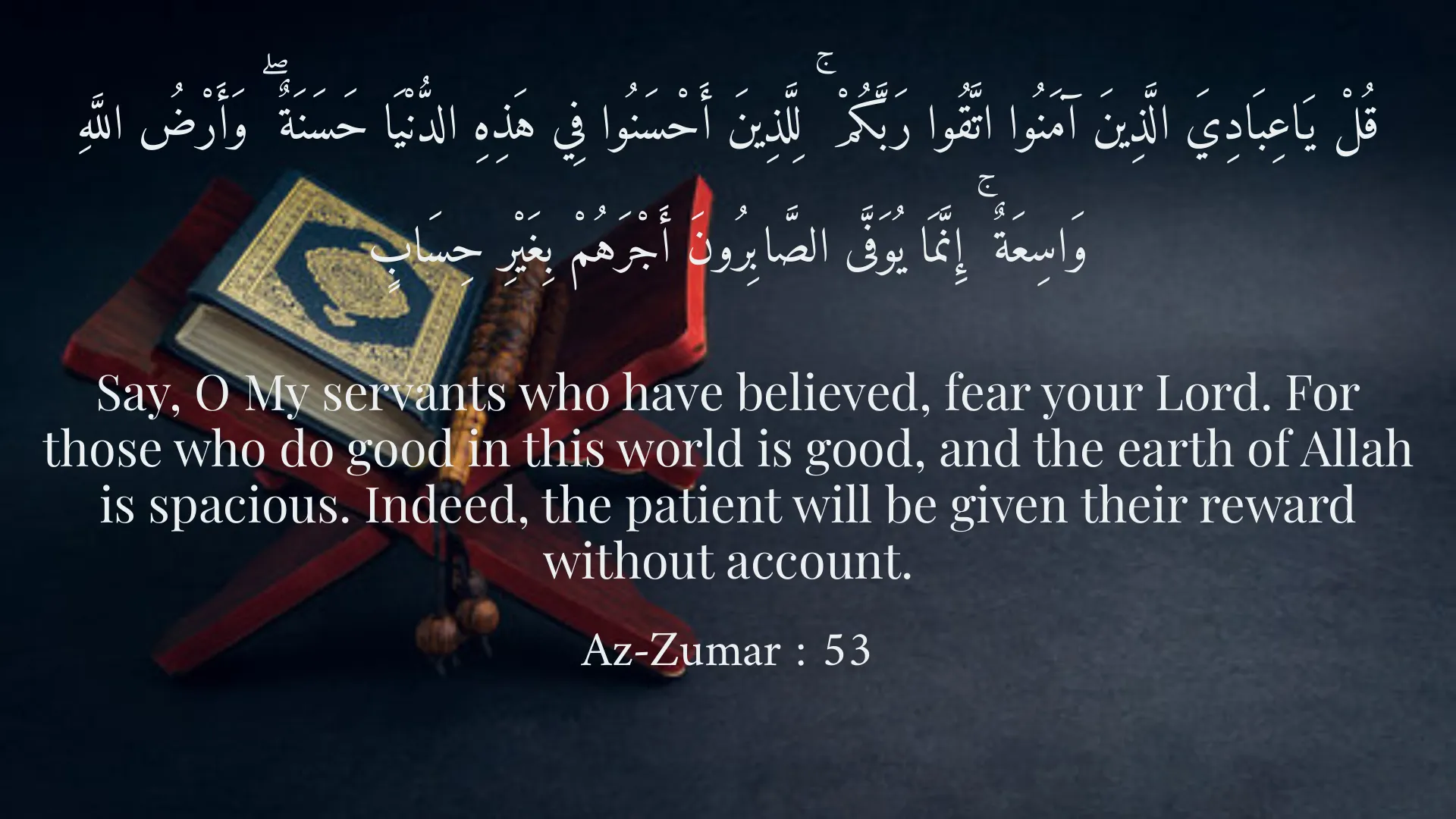
قُلْ يَاعِبَادِيَ الَّذِينَ آمَنُوا اتَّقُوا رَبَّكُمْ ۚ لِلَّذِينَ أَحْسَنُوا فِي هَذِهِ الدُّنْيَا حَسَنَةٌ ۖ وَأَرْضُ اللَّهِ وَاسِعَةٌ ۚ إِنَّمَا يُوَفَّى الصَّابِرُونَ أَجْرَهُمْ بِغَيْرِ حِسَابٍ
Say, O My servants who have believed, fear your Lord. For those who do good in this world is good, and the earth of Allah is spacious. Indeed, the patient will be given their reward without account.
Az-Zumar : 53
لَا يُكَلِّفُ اللَّهُ نَفْسًا إِلَّا وُسْعَهَا ۚ لَهَا مَا كَسَبَتْ وَعَلَيْهَا مَا اكْتَسَبَتْ ۗ رَبَّنَا لَا تُؤَاخِذْنَا إِن نَّسِينَا أَوْ أَخْطَأْنَا ۗ رَبَّنَا وَلَا تَحْمِلْ عَلَيْنَا إِصْرًا كَمَا حَمَلْتَهُ عَلَى الَّذِينَ مِن قَبْلِنَا ۚ رَبَّنَا وَلَا تُحَمِّلْنَا مَا لَا طَاقَةَ لَنَا بِهِ ۖ وَاعْفُ عَنَّا وَاغْفِرْ لَنَا وَارْحَمْنَا ۚ أَنتَ مَوْلَانَا فَانصُرْنَا عَلَى الْقَوْمِ الْكَافِرِينَ
Allah does not burden a soul beyond that it can bear. For it is what it has gained, and against it is what it has earned. Our Lord, do not impose blame upon us if we have forgotten or made a mistake. Our Lord, and lay not upon us a burden like that which You laid upon those before us. Our Lord, and burden us not with that which we have no ability to bear. And pardon us; and forgive us; and have mercy upon us. You are our protector, so give victory to the believers.
Al-Baqarah : 286
وَقُل لِّلْمُؤْمِنَاتِ يَغْضُضْنَ مِنْ أَبْصَارِهِنَّ وَيَحْفَظْنَ فُرُوجَهُنَّ وَلَا يُبْدِينَ زِينَتَهُنَّ إِلَّا مَا ظَهَرَ مِنْهَا ۖ وَلْيَضْرِبْنَ بِخُمُرِهِنَّ عَلَى جُيُوبِهِنَّ وَلَا يُبْدِينَ زِينَتَهُنَّ إِلَّا لِزَوْجِهِنَّ أَوْ آبَائِهِنَّ أَوْ آبَاءِ أَزْوَاجِهِنَّ أَوْ أَبْنَائِهِنَّ أَوْ أَبْنَاءِ أَخْوَانِهِنَّ أَوْ أَبْنَاءِ أَخَوَاتِهِنَّ أَوْ نِسَائِهِنَّ أَوْ مَا مَلَكَتْ أَيْمَانُهُنَّ ۗ وَلْيَتُوبُوا إِلَى اللَّهِ جَمِيعًا أَيُّهَ الْمُؤْمِنُونَ لَعَلَّكُمْ تُفْلِحُونَ
And tell the believing women to reduce [some] of their vision and guard their private parts and not expose their adornment except that which [ordinarily] appears thereof and to wrap [a portion of] their scarves over their chests and not expose their adornment except to their husbands, their fathers, their fathers of their husbands, their sons, their sons of their brothers, their sons of their sisters, their women, or that which their right hands possess. And, O believers, turn to Allah in repentance all of you that you might succeed.
An-Nur : 31
Short Story
One day, Adel was on a train heading home, reflecting on his sins. He recalled the verses of the Quran that state that God forgives all sins, even those that are forgotten. With a pure heart, Adel prayed and asked God for forgiveness. Afterwards, he felt a sense of peace and lightness, deciding to lead a better life while always remembering God's mercy and forgiveness.