Quranic Answer
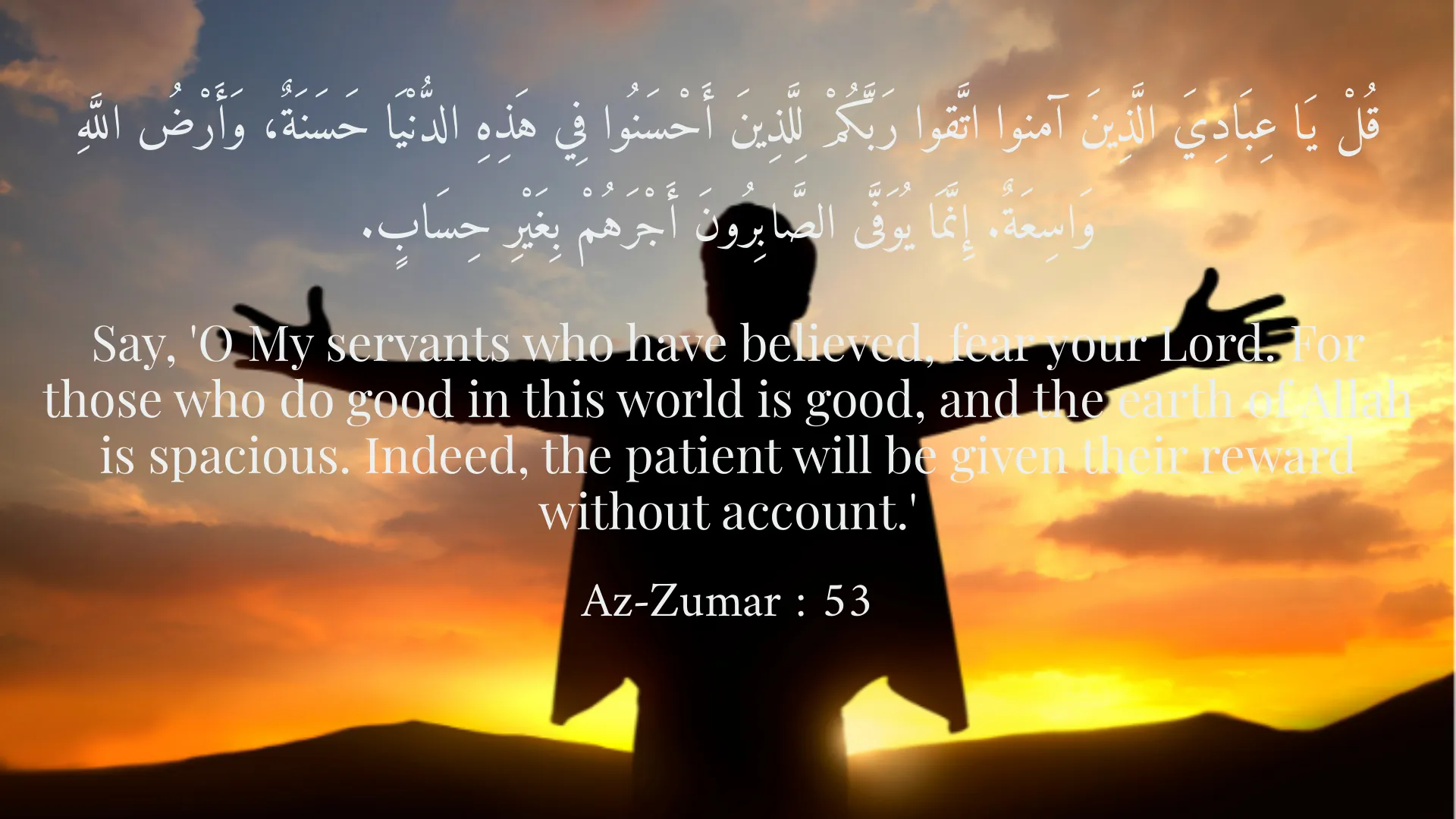
The topic of forgiveness is one of the most profound themes in religious texts, particularly in the Holy Quran. The notion of God's forgiveness offers a beacon of hope and reflects the limitless mercy of the Almighty. The Quran explicitly outlines the conditions of attaining forgiveness and emphasizes its availability to all who seek it sincerely. This essay aims to delve deeper into the subject of forgiveness as expressed in the Quran, exploring its implications, significance, and the necessary conditions for obtaining it. In Islamic theology, God's forgiveness is paramount. The Quran illustrates that regardless of how great one's sins might be, the door to repentance remains open. The Quranic verse from Surah Az-Zumar (39:53) encapsulates this notion profoundly: 'Say, O My servants who have believed, fear your Lord. For those who do good in this world is good, and the earth of Allah is spacious. Indeed, the patient will be given their reward without account.' This verse speaks volumes about both the nature of God's forgiveness and the potential for human improvement. It suggests that anyone, regardless of their past, can receive goodness from Allah if they embody faith and righteousness. Another vital verse that addresses the concept of repentance is found in Surah Al-Baqarah (2:160): 'And those who commit wrong or wrong themselves but then repent to Allah may find their Lord Forgiving and Merciful.' This verse reinforces the idea that wrongdoers have a path to redemption. Importantly, it is not merely the act of repentance that matters but the sincerity behind it. If an individual approaches God with genuine remorse and a desire to amend their ways, Allah promises forgiveness and mercy. The significance of God's forgiveness is multifaceted. For one, it reflects the character of God as merciful and compassionate. It serves as a vital aspect of the divine-human relationship, wherein human beings are encouraged to seek a connection with their Creator. The theme of mercy is prevalent throughout the Quran, wherein Allah refers to Himself frequently as 'The Most Merciful' (Ar-Raheem) and 'The Oft-Forgiving' (Al-Ghafoor). Such attributes invite believers to cultivate hope during their moments of despair. Moreover, forgiveness can be seen as a transformative process. The Quran does not merely focus on absolution from sins but also emphasizes the essential growth that arises from sincere repentance. When a person recognizes their shortcomings and works towards making amends, they embark on a journey that can lead them toward personal growth and spiritual elevation. Forgiveness embodies the opportunity for individuals to realign themselves with their values and improve their character. When discussing forgiveness in the context of Islamic teaching, it is critical to emphasize the importance of not despairing of Allah's mercy. The Quran frequently encourages believers to remain hopeful, regardless of their past actions. This is vital because feelings of hopelessness can lead individuals to stray further away from repentance. Instead, Allah's messages reinforce that individuals should view their sins as lessons rather than finalities. People need to understand that Allah's mercy surpasses all the sins of His servants, thus fostering a spirit of optimism even in the face of wrongdoing. In addition to personal forgiveness, the Quran also implies a broader societal aspect of forgiveness. Muslims are called upon to forgive others as an extension of the mercy that they desire for themselves from Allah. This collective ethos of forgiveness cultivates a harmonious community where individuals can rebuild relationships and foster understanding. The act of forgiving others can clear the weight of emotional burdens and create an atmosphere conducive to growth and reconciliation. The communal nature of forgiveness becomes an act of worship when viewed as fulfilling divine expectations, leading to a more cohesive society. Nevertheless, the concept of forgiveness does not imply that sins come without consequences. While Allah is All-Forgiving, the Quran emphasizes that individuals must also strive to right their wrongs and actively participate in making amends. This includes seeking forgiveness from those wronged, thereby recognizing the social dimensions of sin and repentance. True repentance encompasses acknowledgment of one's misdeeds, a change in behavior, and an intention not to repeat those mistakes. The sincerity of such repentance is what returns one to the grace of Allah, illuminating the path towards recovery and spiritual rejuvenation. Another dimension worth exploring is the role and importance of patience in the quest for forgiveness. The Quran frequently connects the virtues of patience and hope. In the mentioned verse from Surah Az-Zumar, patience is acknowledged as a crucial attribute of those who seek goodness in this world. In moments of struggle or failure, remaining patient and hopeful can be the test of faith for many believers. This period of waiting for forgiveness is not only a trial but also a chance to reflect and commit to improvement for oneself in the future. In conclusion, the theme of forgiveness in the Holy Quran is a vital component of Islamic belief. It emphasizes God's infinite mercy, the importance of sincere repentance, and the transformative nature of seeking forgiveness. Believers are reminded of the hope that exists, regardless of their past, and are encouraged to approach God with a heart full of remorse and a commitment to change. The broader implications of forgiveness extend into social dynamics, urging the cultivation of a forgiving and empathetic community. Through a comprehensive understanding of forgiveness, Muslims can navigate the complexities of their actions, rebuild relationships, and ultimately strengthen their connection with Allah. Hence, the path to forgiveness is one filled with opportunities for growth, reflection, and renewal.
Related Verses
قُلْ يَا عِبَادِيَ الَّذِينَ آمنوا اتَّقوا رَبَّكُمْ لِلَّذِينَ أَحْسَنُوا فِي هَذِهِ الدُّنْيَا حَسَنَةٌ، وَأَرْضُ اللَّهِ وَاسِعَةٌ. إِنَّمَا يُوَفَّى الصَّابِرُونَ أَجْرَهُمْ بِغَيْرِ حِسَابٍ.
Say, 'O My servants who have believed, fear your Lord. For those who do good in this world is good, and the earth of Allah is spacious. Indeed, the patient will be given their reward without account.'
Az-Zumar : 53
وَالَّذِينَ أَسَءَوا أَوْ أَضَرُّوا أَنْفُسَهُمْ ثُمَّ تَابُوا إِلَى اللَّهِ فَأُولَـٰئِكَ سَيَجدُونَ اللَّهَ غَفُورًا رَّحِيمًا.
And those who commit wrong or wrong themselves but then repent to Allah may find their Lord Forgiving and Merciful.
Al-Baqarah : 160
Short Story
One day, a man named Hassan felt a deep sense of despair in his heart. He was saddened by his past mistakes and believed that he had run out of chances. One day, he decided to go to the mosque to talk to God. He said, 'O God, I am weak and sinful, and I ask You to forgive me.' At that moment, Hassan felt that his sins were lifted from his shoulders and he was filled with peace. He realized that God is always forgiving and does not despair of any sinner.