Quranic Answer
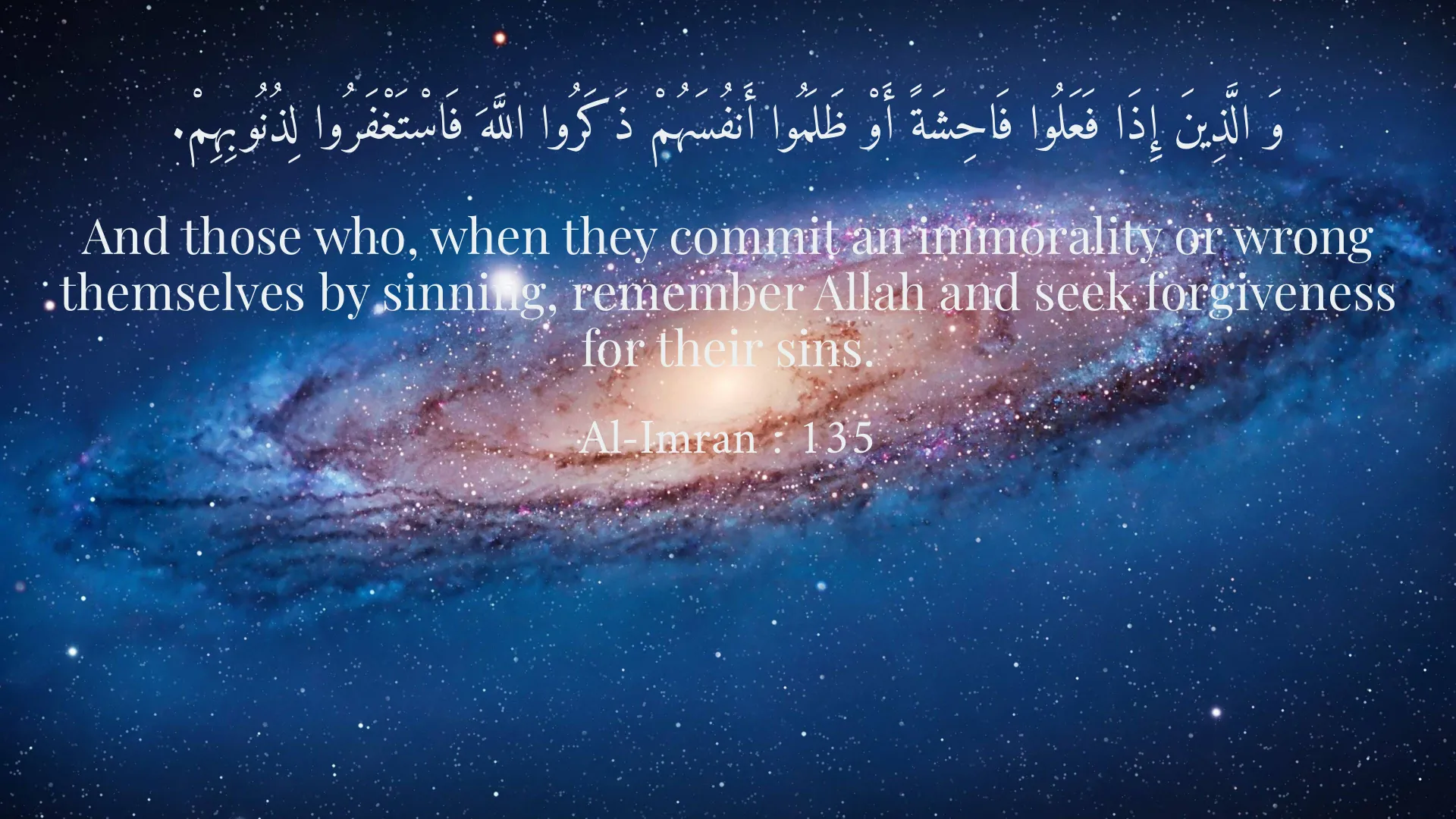
In the Holy Quran, the concept of God's forgiveness is a profound and reassuring theme woven throughout its verses. The notion that God's mercy transcends all sins, including those committed unintentionally, reinforces the importance of seeking repentance and maintaining hope in His benevolence. This article explores various aspects of divine forgiveness as presented in the Quran, illustrating how humans, despite their shortcomings, can always turn back to Allah with the possibility of redemption. One of the pivotal verses that enlightens believers about the scope of God's forgiveness is found in Surah Al-Imran, verse 135: 'And those who, when they commit an immorality or wrong themselves by sinning, remember Allah and seek forgiveness for their sins.' This verse encapsulates the essence of human fallibility and divine mercy. It acknowledges that individuals will falter; however, the critical component is the act of remembering Allah in times of transgression. This remembrance is not merely about ritualistic prayers or seeking absolution; it emphasizes the internal recognition of one's shortcomings and the desire to return to the path of righteousness. The Quran consistently encourages believers to reflect on their actions and maintain a relationship with God characterized by humility and a sincere effort to seek forgiveness. The act of seeking forgiveness in itself is a form of remembrance and an acknowledgment of one's mistakes, which is deeply embedded in the spirit of Islamic teachings. This verse reminds us that despite our mistakes—whether they are deliberate transgressions or unintentional errors—there is always an avenue for forgiveness through sincere repentance. Moreover, the holistic context of divine forgiveness is echoed in Surah An-Nisa, verse 17: 'Indeed, repentance is only for those who do evil in ignorance.' This declaration from Allah serves as a testament to His understanding nature and the compassionate framework within which He operates. It is crucial to note that acts committed out of ignorance or heedlessness are recognized by Allah, who in His infinite wisdom, allows for repentance without judgment. The distinction made in this verse concerning unintentional mistakes fosters a sense of solace for believers. It reinforces the idea that while sin is an inherent part of the human condition, God’s mercy is always available to those who genuinely wish to atone for their missteps. This nurturing characteristic of divine forgiveness encourages believers to actively participate in their spiritual growth. It allows individuals to understand that their unintentional slips do not lead to eternal condemnation, but rather open up opportunities for reflection and betterment. Furthermore, the journey of seeking forgiveness is one deeply rooted in the acknowledgment of one's human condition. The Quran illustrates that everyone is prone to errors, and it is a shared trait of humanity. By recognizing our fallibility, we can cultivate a deeper understanding of ourselves and think critically about our actions. The call to repentance should prompt individuals to engage in self-evaluation, considering their intentions, motivations, and the impacts of their actions on others. This comprehensive approach to self-reflection fosters emotional growth and can lead to a transformative spiritual experience. It is also significant to emphasize that God’s forgiveness is not conditional on the magnitude of the sin but rather on the sincerity of the individual’s heart in seeking that forgiveness. Allah's mercy is limitless and unbounded. The Quran states that no error is greater than His grace; this profound truth should bolster the faith of every believer. Allah is not only willing but eager to forgive those who turn back to Him earnestly. This alleviates the burden of guilt and shame that might deter individuals from seeking redemption and reinstates a sense of hope and potential. This understanding of divine forgiveness allows believers to engage more openly and authentically with their faith. They can approach God without fear of rejection, knowing that sincere repentance will be met with open arms and boundless mercy. It alleviates feelings of hopelessness associated with sin, reinforcing the idea that one's past does not dictate one's future in the eyes of God. Instead, each moment is an opportunity for renewal and revival in one’s spiritual journey. In the greater tapestry of Islamic teachings, the concept of forgiveness enhances a broader moral framework built on compassion, empathy, and understanding. As believers embrace this divine quality, they are encouraged to model their behavior accordingly. The virtue of forgiving others becomes a critical aspect of living a life reflective of Islamic principles. Ultimately, the Quran presents God's forgiveness as a testament to His love and compassion for mankind. It is a dynamic and interactive process that involves acknowledging our transgressions, feeling remorse, and making a concerted effort to amend our ways. In summary, it can be concluded that Allah is capable of forgiving all sins, regardless of their nature, and that no error is greater than His mercy. The Quran reassures us that He is always ready to accept the repentance of His servants and shower them with His grace. This eternal promise of forgiveness empowers believers, instilling a sense of hope and prompting them to pursue spiritual growth and development with confidence in God's unfathomable mercy.
Related Verses
وَ الَّذِينَ إِذَا فَعَلُوا فَاحِشَةً أَوْ ظَلَمُوا أَنفُسَهُمْ ذَكَرُوا اللَّهَ فَاسْتَغْفَرُوا لِذُنُوبِهِمْ.
And those who, when they commit an immorality or wrong themselves by sinning, remember Allah and seek forgiveness for their sins.
Al-Imran : 135
إِنَّمَا التَّوْبَةُ عَلَى اللَّهِ لِلَّذِينَ يَعْمَلُونَ السُّوءَ بِجَهَالَةٍ.
Indeed, repentance is only for those who do evil in ignorance.
An-Nisa : 17
Short Story
On a beautiful spring day, Ali was feeling down because he had made an unintentional mistake that led to feelings of guilt. He remembered the verses of the Quran and decided to ask Allah for forgiveness. With a sincere heart and pure intention, he began to pray, asking for God's mercy. A few days later, Ali felt a sense of peace and happiness return to him. He realized that God is forgiving and merciful and never deprives His sincere servants of His grace.