Quranic Answer
The Holy Quran is revered as a cornerstone of guidance and mercy in the lives of billions of Muslims around the globe. It is a text that not only commands respect but also encapsulates the profound compassion of God towards humanity. One of the most significant themes found throughout the Quran is the idea of divine mercy, which reinforces the relationship between God and His servants. This relationship is marked by forgiveness, compassion, and a continuous invitation for believers to repent and seek closeness to their Lord. The sentiments surrounding God's mercy are particularly articulated in specific verses that convey the nature of this divine compassion. In Surah Az-Zumar, verse 53 explicitly states, "Say, O My servants who have believed, fear your Lord. For those who do good in this world is good, and the earth of Allah is spacious. Indeed, the patient will be given their reward without account." This verse is astonishing in its breadth and depth, for it not only acknowledges the goodness inherent in the actions of believers but also emphasizes the vastness of God's earth, reminding us that opportunities for redemption and good are boundless. The directive to 'fear your Lord' can be interpreted not simply as a warning, but as an awakening to the consciousness of God's presence and benevolence. Moreover, the verse assures believers that even amidst their struggle with sin, hope remains alive as long as their intention towards repentance is sincere. This aspect of divine mercy portrays a God who does not abandon His servants in their moments of weakness. Instead, He is waiting patiently for them to turn back. The openness of this invitation underscores the relationship God desires with His creation—one that thrives on sincerity and commitment. God's proximity to His servants is a recurrent theme in the Quran, which serves as an unwavering source of comfort. In Surah Al-Baqarah, verse 186, it states, "And if My servants ask you concerning Me, indeed I am near." This verse reiterates that God is not a distant entity shrouded in complexity; rather, He is exceptionally close to those who seek Him. The connotation of being ‘near’ suggests that God is accessible and attuned to the supplications and cries of those in need. It presents an invitation for every believer, irrespective of their current situation, to reach out and communicate with their Lord. This promise of closeness is pivotal in dismantling feelings of alienation or despair that might arise due to one's sins or transgressions. The essential condition for receiving God's forgiveness is a heartfelt sincerity towards abandoning sinful behaviors. While the Quran reiterates the importance of repentance, it emphasizes that such repentance must come from a place of genuine intention. This is beautifully articulated in Surah At-Tahreem, verse 8, where God commands, "O you who have believed, repent to Allah with sincere repentance." This phrase articulates the necessity of turning back to God with an earnest heart and mindset, prioritizing authenticity over mere verbal proclamations. Additionally, it is crucial to note that God does not abandon those who may falter in their faith. Instead, He awaits patiently for the return of His servants, eager to envelop them in His mercy and forgiveness. The belief that God is always prepared to accept the earnest repenter serves to nurture hope among believers. No matter how far someone strays, self-admittance of wrongdoing coupled with a genuine intention to change will always pave the way back to God’s grace. This exceedingly forgiving nature of God highlights the essence of Islamic teachings, which encourages humility and resilience in the journey of life. It emphasizes that sin is part of the human experience and that making mistakes does not equate to permanent estrangement from God. Instead, each misstep can be seen as an opportunity for growth and understanding, sculpting one's character in the process of seeking redemption. In the light of these verses, it becomes evident that God’s mercy operates on different levels, providing comfort and solace amid human sinfulness. The Quran encourages introspection and the pursuit of a virtuous life while simultaneously promoting repentance and divine forgiveness. It is in this interplay between sin, repentance, and mercy where the profound nature of God's relationship with His believers is captured. The notion that God is always waiting for us to turn back to Him speaks volumes about His nature, which leans towards compassion rather than retribution. His mercy is vast and encompassing, free from the confines of time and context, allowing even the most distant souls a chance to reflect, repent, and realign with their purpose in life. It is this reassurance that fosters a deep sense of belonging and acceptance, alleviating fears of judgment and despair. In conclusion, the Quran provides a divine framework where believers are enveloped in God's mercy, presenting a relationship built on compassion, forgiveness, and closeness. Each verse serves as a gentle reminder that despite human imperfections, the door to repentance and mercy is always ajar. This forms the bedrock of the spiritual journey for believers as they navigate the complexities of life, continually striving to seek God's favor through sincere acts of worship and genuine repentance.
Related Verses
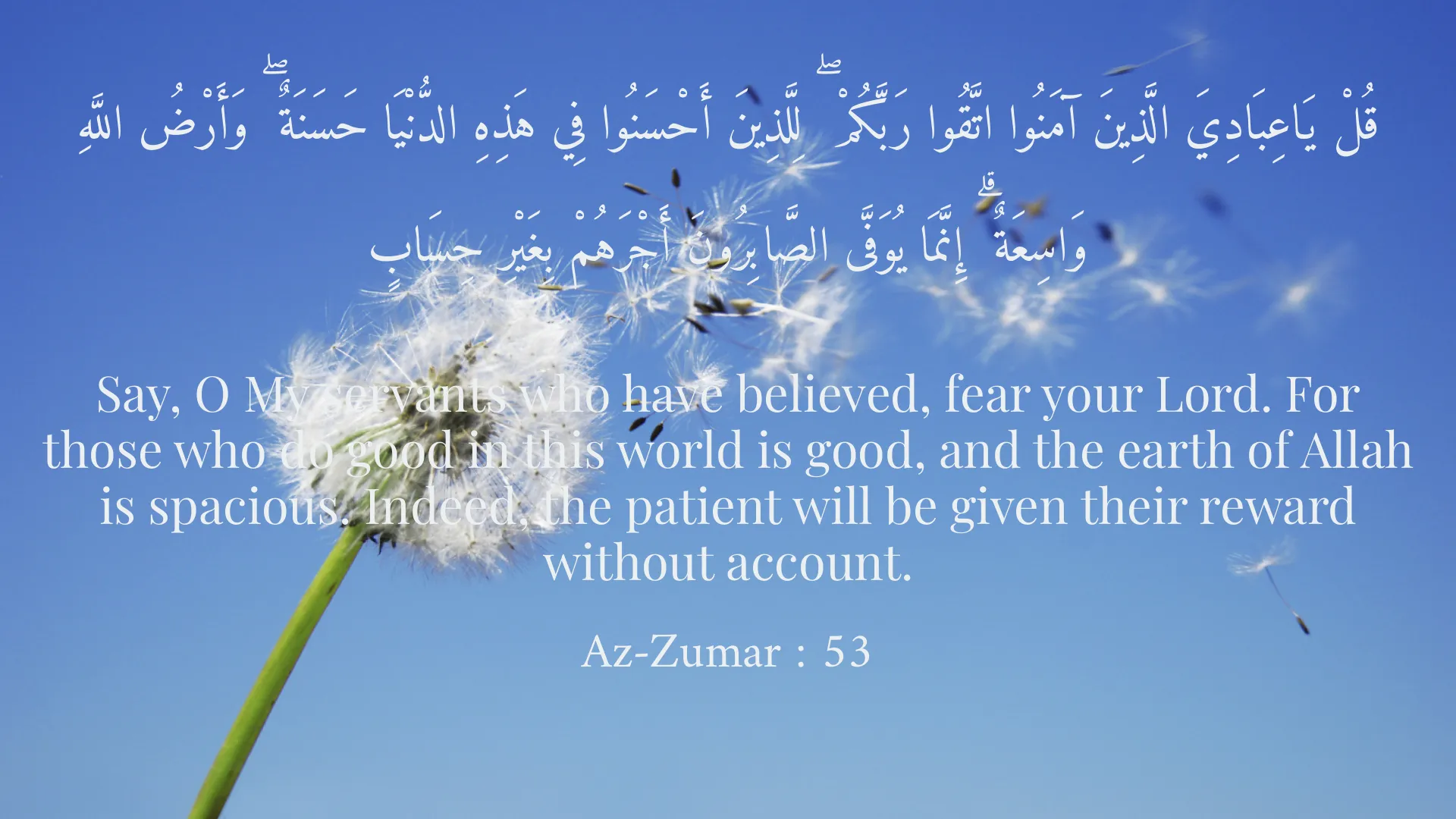
قُلْ يَاعِبَادِيَ الَّذِينَ آمَنُوا اتَّقُوا رَبَّكُمْ ۖ لِلَّذِينَ أَحْسَنُوا فِي هَذِهِ الدُّنْيَا حَسَنَةٌ ۖ وَأَرْضُ اللَّهِ وَاسِعَةٌ ۗ إِنَّمَا يُوَفَّى الصَّابِرُونَ أَجْرَهُمْ بِغَيْرِ حِسَابٍ
Say, O My servants who have believed, fear your Lord. For those who do good in this world is good, and the earth of Allah is spacious. Indeed, the patient will be given their reward without account.
Az-Zumar : 53
وَإِذَا سَأَلَكَ عِبَادِي عَنِّي فَإِنِّي قَرِيبٌ ۖ أُجِيبُ دَعْوَةَ الدَّاعِ إِذَا دَعَانِ
And if My servants ask you concerning Me, indeed I am near.
Al-Baqarah : 186
يَا أَيُّهَا الَّذِينَ آمَنُوا تُوبُوا إِلَى اللَّهِ تَوْبَةً نَّصُوحًا ۖ عَسَى رَبُّكُمْ أَن يُكَفِّرَ عَنكُمْ سَيِّئَاتِكُمْ
O you who have believed, repent to Allah with sincere repentance.
At-Tahreem : 8
Short Story
On a sunny day, a young man named Amir was sitting in a café, pondering his sins. He felt hopeless and thought that perhaps God had forsaken him. Suddenly, he remembered the verses of the Quran and realized that God was still waiting for his repentance. Amir decided to dedicate more time to his prayers and ask for forgiveness from God. From that day, he felt a greater sense of lightness and peace.