Quranic Answer
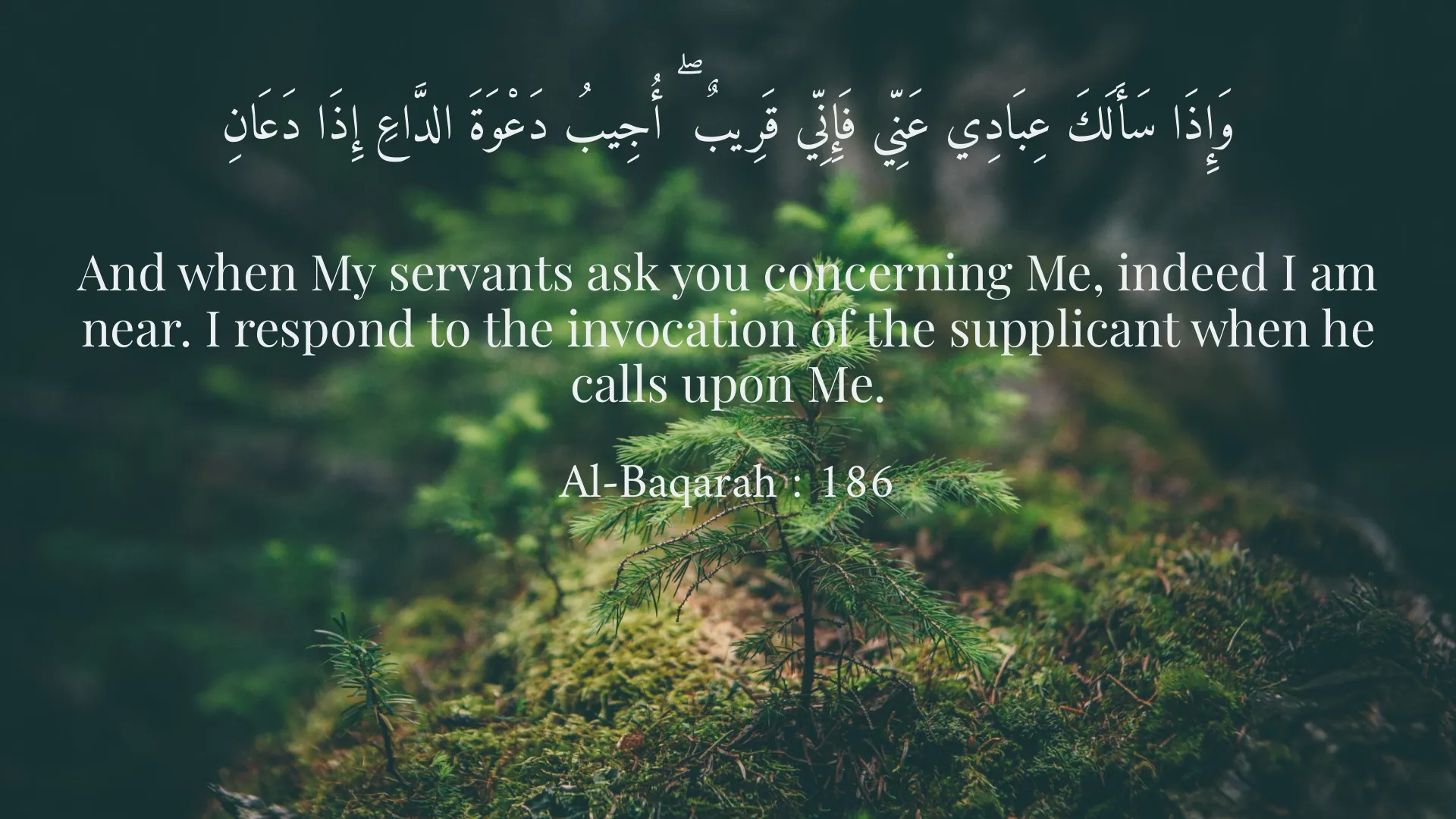
In the Holy Quran, the concept of Allah listening to the prayers and words of His servants is a pivotal theme that underscores the profound relationship between God and humanity. This idea is deeply rooted in various verses throughout the Quran, serving as both a reassurance to believers and a reminder of the divine presence in everyday life. One of the most significant verses that encapsulates this concept is found in Surah Al-Baqarah, verse 186. Here, Allah states: "And when My servants ask you concerning Me, indeed I am near. I respond to the invocation of the supplicant when he calls upon Me." This verse not only highlights the proximity of Allah to His servants, indicating that He is always within reach, but it also emphasizes the importance of sincere prayer and supplication. The message conveyed through this verse is clear: Allah is accessible to His followers, ready to listen and respond to their calls for help and guidance. It reassures believers that their efforts in reaching out to Allah are not in vain, as He is attentive to their needs and desires. The notion of Allah being near brings comfort, especially during challenging times when individuals may feel isolated or overwhelmed. Just as one turns to a trusted friend or family member in times of distress, believers are encouraged to seek solace in their relationship with Allah. In addition to the emphasis on prayer, Surah Al-Mu’minun, verse 60 further enriches this understanding. It states: "And they are certain of meeting their Lord." This verse enhances the dialogue between the believer and Allah, suggesting that prayer is not merely a ritual act, but rather a heartfelt communication that stems from a believer's assurance of their eventual meeting with their Creator. This anticipation not only fosters a more intimate relationship with Allah but also instills a sense of accountability in the believer's actions and intentions. Through prayer, believers are reminded of their purpose and the overarching divine plan that Allah has for them. Moreover, the idea that Allah knows what is in the hearts and minds of His servants is pivotal to understanding the depth of this relationship. Surah Qaf, verse 16 proclaims: "And We have certainly created man and We know what his soul whispers to him." This verse reassures individuals that not only does Allah hear the spoken prayers, but He is also intimately aware of the unspoken thoughts, desires, and struggles that reside in one's heart. This holistic understanding of human experience means that believers can approach Allah not only with their voiced prayers but also with their silent yearnings and frustrations. It fosters an environment where one can pour out their soul, knowing that every whisper of the heart is acknowledged by the divine. The significance of these verses is twofold. First, they reaffirm Allah's omnipresence and omniscience. The acknowledgment that Allah is not only near but also fully aware of the thoughts and emotions of His servants inspires a profound sense of humility and gratitude. It calls for sincerity in worship and a genuine intention to connect with Allah. The understanding that even the smallest whisper of the heart does not go unnoticed emphasizes the compassion and mercy of Allah, encouraging believers to turn to Him without hesitance or fear of judgment. Secondly, this dynamic of listening and responding creates a reciprocal relationship between Allah and His followers. Addiction to prayer and supplication fosters a deeper sense of belonging and community among believers. In Islam, congregational prayers and collective supplications help to draw believers together, reinforcing the idea that they are part of a larger ummah, or community. Additionally, when believers experience answered prayers or feel their supplications are heard, it strengthens their faith. The testimonies of individuals who have felt the impact of their prayers are powerful and serve to motivate others within the community. This cycle of faith and response further amplifies the connection between Allah and His servants, as believers are encouraged to witness the transformative power of prayer in their lives. In sum, the understanding that Allah listens to the prayers of His servants forms the cornerstone of the believer's relationship with the Creator. It invites a continuous interplay of prayer, reflection, and growth that transcends the mundane aspects of everyday life. Believers are reminded that regardless of their circumstances, they have a constant source of support, guidance, and understanding. In moments of despair or joy, they can always turn to Allah, confident that their voices will be heard. This profound sense of connection not only promotes spiritual growth but also cultivates a culture of compassion, empathy, and unity within the larger Muslim community. Ultimately, the ability to converse with Allah, knowing He listens and responds, is a gift that enhances the richness of faith and the human experience. Therefore, in every situation, believers can always seek help from Allah, continuously engaging with Him, and nurturing their relationship through sincere prayer and heartfelt supplication.
Related Verses
وَإِذَا سَأَلَكَ عِبَادِي عَنِّي فَإِنِّي قَرِيبٌ ۖ أُجِيبُ دَعْوَةَ الدَّاعِ إِذَا دَعَانِ
And when My servants ask you concerning Me, indeed I am near. I respond to the invocation of the supplicant when he calls upon Me.
Al-Baqarah : 186
وَأَنَّهُم يَرْتَجُونَ نِقَاءَ رَبِّهِمْ
And they are certain of meeting their Lord.
Al-Mu’minun : 60
وَلَقَدْ خَلَقْنَا الْإِنْسَانَ وَنَعْلَمُ مَا تُوَسْوِسُ بِهِ نَفْسُهُ
And We have certainly created man and We know what his soul whispers to him.
Qaf : 16
Short Story
One day, a young man named Amir had a concern in his heart. He wanted to know if Allah truly listens to his troubles. One night, sitting in a quiet place, he prayed with all his heart. He felt as though someone was above him, listening to every word he said. After some time, he realized that Allah's responses to his prayers manifested in his daily life, and he experienced many successes. He thought to himself, "So, Allah always listens to us!"