Quranic Answer
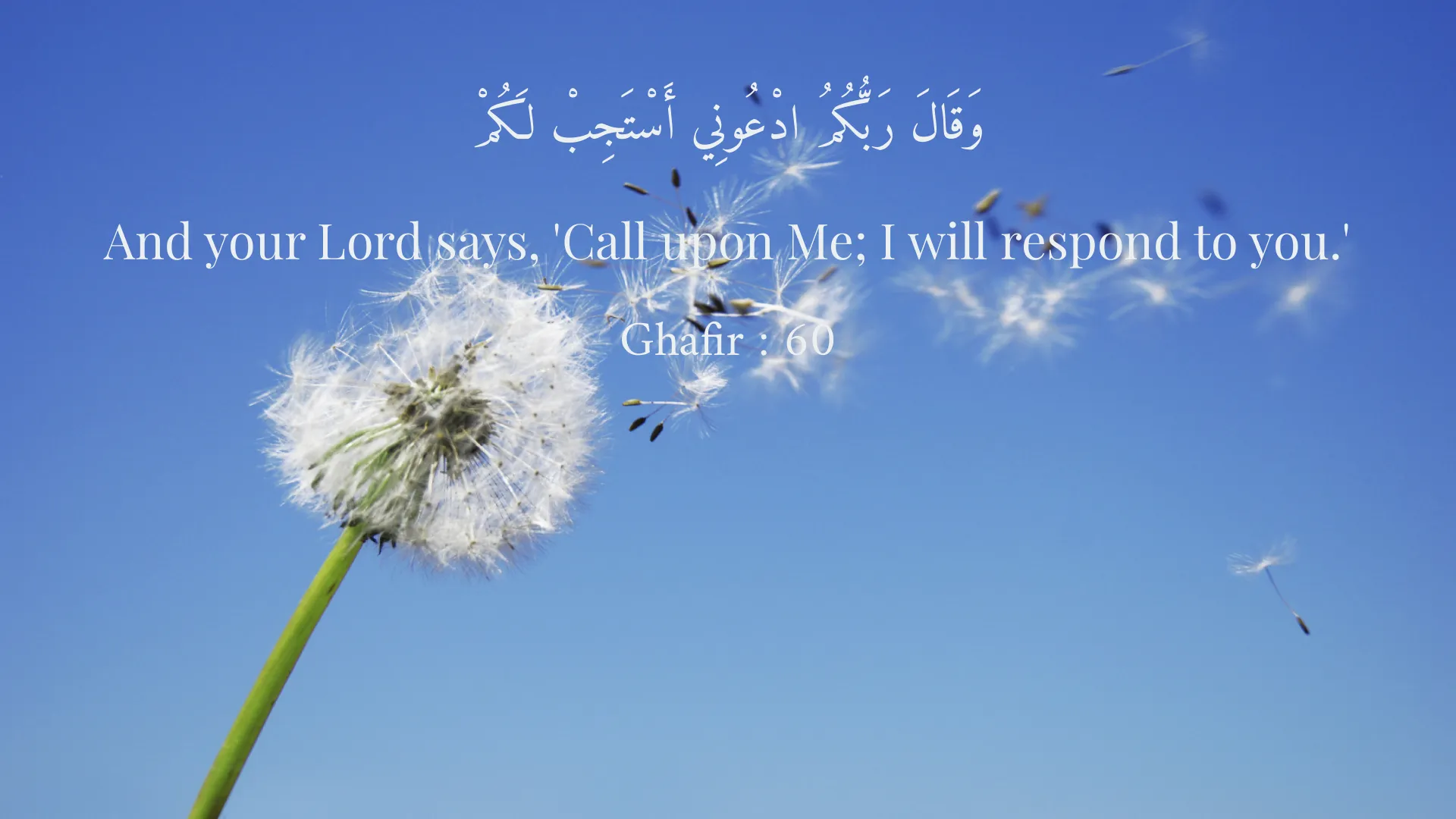
The Holy Quran, the central religious text of Islam, holds profound significance in the lives of Muslims around the world. It serves as a complete guide for ethical, moral, and spiritual living. Among its many teachings, the Quran emphasizes the intimate connection between Allah and humanity, particularly highlighting the idea that Allah is aware of the innermost thoughts and feelings of individuals. This article aims to explore the concept of prayer in Islam, focusing on the idea that Allah hears the voice of the heart and thoughts, even when they are not verbally articulated. The Quran states in Surah Ghafir, verse 60: 'And your Lord says, Call upon Me; I will respond to you.' This verse underscores a fundamental aspect of Islamic belief: the act of prayer (‘Dua’) is not merely a series of words or ritualistic actions. Instead, it embodies an essential inner reality—a deep, heartfelt intention and connection with the Creator. When individuals possess a wish or hope they harbor in their hearts and present it to Allah, this expression transcends mere speech. It signifies an emotional investment, a sincere yearning for divine assistance, guidance, or comfort. This notion is further enriched in Surah Al-Isra, verse 38, which states: 'And do not invoke besides Allah that which neither benefits you nor harms you.' This verse elucidates the core tenet of Islam—the exclusive devotion to Allah in all affairs. It reflects the understanding that true benefit and harm lie with Allah alone, and thus, turning to Him requires sincerity and faith. In this context, the importance of turning to Allah with one's heart becomes evident. The act of prayer should stem from a profound sense of reliance and trust in Allah’s wisdom and mercy. Silent prayers, or prayers that are not necessarily spoken out loud, originate from the depths of one's heart. These quiet utterances are often filled with sincerity and honesty. They convey emotions and needs that might be too complex or intimate to express in words. Allah, in His infinite knowledge, understands these silent prayers and responds to them in ways that can often exceed the expectations of the supplicant. In Islam, supplication is not merely about asking for one’s desires or needs; it is also an act of devotion, reflection, and submission. It is essential to approach prayer with a focus on intention and faith. The Quran teaches that the sincerity of one’s heart during prayer is what truly matters. This means that it is not enough to recite verses or form requests without genuine feeling. The divine response is, therefore, contingent on the quality of the supplicant’s heart and their faith in Allah’s existence. To foster this inner attunement, Muslims are encouraged to engage in regular prayers (Salah), which serve as a form of discipline in communicating with Allah. The five daily prayers are not merely obligatory acts, but opportunities to connect with Allah genuinely, creating a space where believers can express their innermost thoughts and feelings. Salah allows Muslims to center themselves and approach their daily struggles with a heart aligned with their faith, reminding them of the importance of their relationship with the Divine. Moreover, it is vital to differentiate between ritualistic prayer and heartfelt supplication. While ritualistic prayers are essential in Islam, often performed in congregations, supplications can take place anywhere and at any time. Muslims are encouraged to make Dua at moments of distress, joy, gratitude, or any life circumstance, allowing their hearts' voices to resonate with Allah directly. This personal communication is a testament to the bond created between the believer and their Creator. Another essential element of supplication is patience. While believers may plead with fervor for their requests to be granted, the Quran also teaches about the wisdom of timing in divine response. Surah Al-Baqarah, verse 186 states, 'And when My servants ask you concerning Me, indeed I am near. I respond to the invocation of the supplicant when he calls upon Me.' This verse highlights the immediacy of Allah’s attention to prayers; however, it does not always imply that immediate answers will manifest in ways that the believer might expect. Sometimes, the response might be delayed, or it might manifest in forms that are different from what was specifically asked for. Consequently, this requires the individual to exercise patience and trust that Allah’s wisdom is at play. Furthermore, prayers can also be a means of healing. When individuals pour out their hearts in silent supplications, they often experience a sense of relief, comfort, and clarity. This psychological and emotional relief can have profound effects on one's mental health and well-being. The act of communicating one’s feelings to Allah helps individuals process their emotions and navigate through life’s challenges more effectively. In conclusion, the Holy Quran emphasizes the significance of prayers not only as verbal expressions but as deep, heartfelt communications between Allah and believers. The verses highlighted in this discussion stress the importance of sincerity, intention, and emotional honesty in prayer. Recognizing that Allah hears the voice of the heart can transform the way Muslims approach their relationship with the Divine. This understanding invites believers to engage their inner selves, anchoring their hopes and fears in Allah’s infinite wisdom and mercy. By aligning their hearts with their supplications and remaining patient in their unfolding, they participate in a sacred dialogue that enriches their spiritual journey and deepens their faith in Allah's attentiveness to all their silent cries.
Related Verses
وَقَالَ رَبُّكُمُ ادْعُونِي أَسْتَجِبْ لَكُمْ
And your Lord says, 'Call upon Me; I will respond to you.'
Ghafir : 60
وَلَا تَدْعُوا مِن دُونِ اللَّهِ مَا لَا يَنفَعُكُمْ وَلَا يَضُرُّكُمْ
And do not invoke besides Allah that which neither benefits you nor harms you.
Al-Isra : 38
Short Story
Once there was a grumpy man who always treated others poorly. One day in his heart, he wished for peace and success but never uttered the prayer. At that moment, someone approached him and said, 'Allah hears our prayers, even if we hold them in our hearts.' The man pondered over this and decided from that day onward to speak with Allah every day.