Quranic Answer
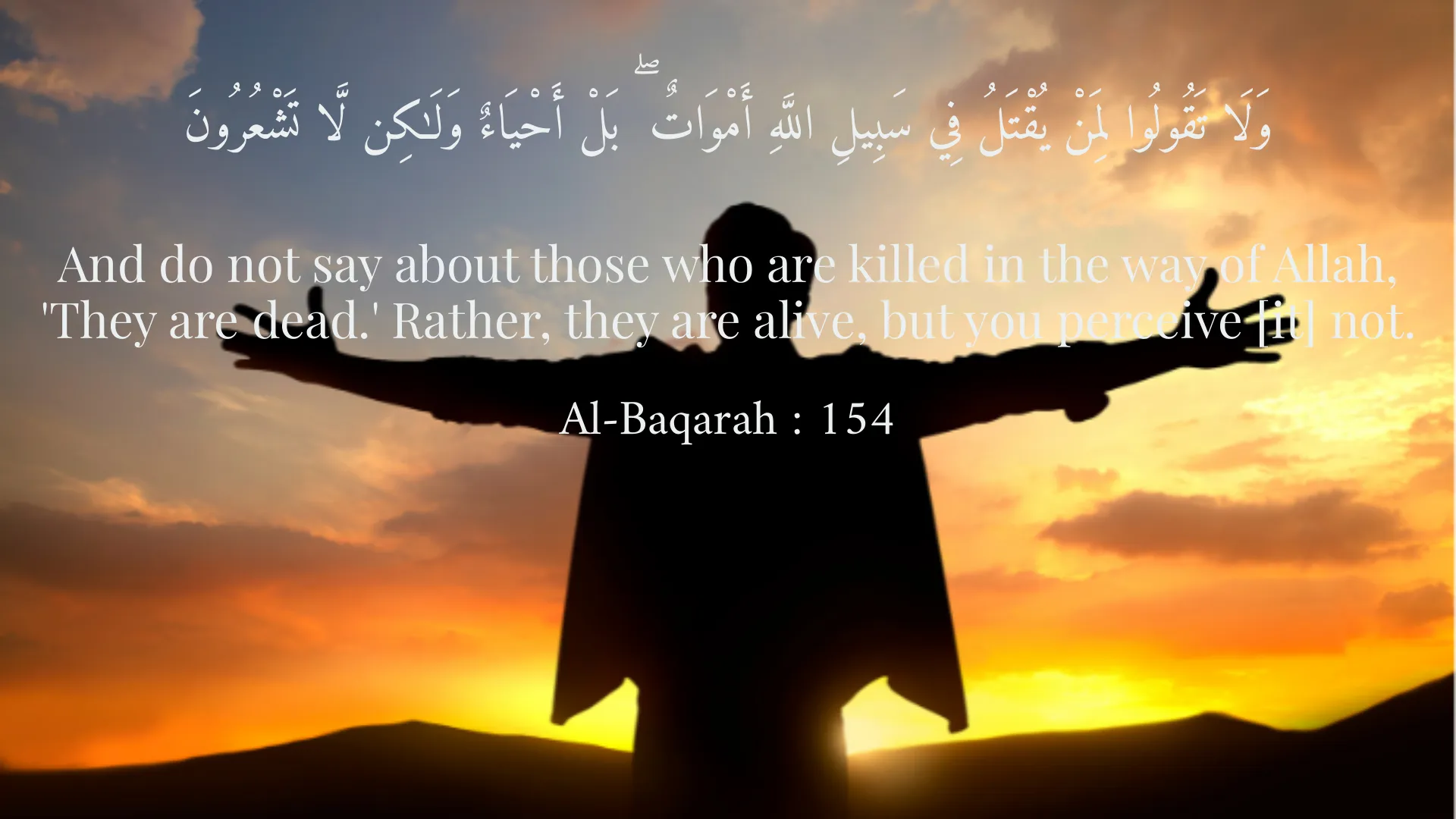
In the Holy Quran, the profound relationship between God and human hearts is articulated with great depth and clarity. The Quran serves not only as a religious text but also as a guide that meticulously details the intricacies of human emotions and intentions while emphasizing God's omniscience. This exploration can be understood best through a thorough examination of verses like those found in Surah Al-Baqarah and Surah Al-Imran, which provide insightful reflections on the awareness of God regarding the inner dynamics of human life. To begin with, Surah Al-Baqarah, verse 154, explicitly states: "And do not say about those who are killed in the way of Allah, 'They are dead.' Rather, they are alive, but you perceive [it] not." This verse alludes to the profound spiritual reality that transcends physical existence. It indicates a belief in an afterlife and a reality that is often beyond human comprehension. Those who lay down their lives for their faith are perceived by God not in terms of their physical demise; rather, they are alive in a manner that transcends our earthly perception. The essence of this verse highlights that God possesses complete control over the spirit and heart of individuals, detecting the struggles and aspirations that others might not witness. Furthermore, this verse serves as a poignant reminder of the limitations of human understanding. As beings who often judge based on external appearances and social interactions, we may overlook the richness of inner struggles and the intentions behind actions. In contrast, God is eternally aware of the emotional intricacies within each individual. The recognition of this divine oversight can be both comforting and daunting; it suggests that while humans often remain oblivious to one another's true intentions and feelings, God is unfailingly cognizant. This leads us to a profound understanding of sincerity and intention in our own lives. Turning to Surah Al-Imran, verse 119 states: "Indeed, it is Allah who knows what is in their hearts." This reiteration of God's all-encompassing knowledge governs not just our actions but also our innermost thoughts. It powerfully emphasizes the belief that God understands the complexities of human hearts, acknowledging the anxiety, turmoil, joy, and aspirations that dwell within. This acknowledgment plays a crucial role in shaping an individual’s moral and ethical framework—there is a constant reminder to keep our intentions pure and hearts aligned with sincerity. The implication of these teachings extends beyond mere awareness; it invites individuals to engage in self-reflection and cultivate a sincere relationship with God. In a world where external validation often governs societal norms, the Quran asserts that the ultimate measure lies in the purity of one’s thoughts and intentions. As we navigate through life’s challenges, this acknowledgment of divine scrutiny becomes a catalyst for accountability and integrity, prompting us to act with sincere motivations in our daily lives. Hence, as believers, it becomes imperative to nurture an authentic connection with God in our prayers, seeking His guidance and support in our journey. Additionally, this awareness of divine observation serves as a checkpoint for moral behavior. By internalizing the notion that God is perpetually aware of our actions and intentions, individuals can strive to maintain a level of authenticity and accountability. This awareness can significantly affect interaction with others, urging one to act with kindness, loyalty, and truthfulness, knowing that superficiality and deceit will not go unnoticed by the Creator. The consistent reminder of God’s presence can encourage individuals to cultivate empathy for others, understanding that everyone is engaged in their own battles, often unseen and unrecognized. This divine knowledge is further echoed in other verses throughout the Quran, portraying God as a compassionate observer who not only knows our hearts but also cares for our well-being. For example, in times of distress or suffering, believers can find solace in the thought that their pains and struggles are known to God. This fosters an atmosphere of trust and reliance on God, as one can approach Him in need of help, assured that their sincerity will not go unnoticed. In essence, the teachings about God’s knowledge of human hearts and intentions serve as foundational principles in Islamic spirituality. They encourage believers to maintain an awareness of their inner selves and aim for a life guided by sincerity, purity of intention, and unwavering faith. As such, the Quran serves not only as guidance but also as an ever-present reminder of the importance of keeping God in our remembrance, shaping our character and influencing our behaviors to align with divine teachings. In conclusion, the knowledge that God is aware of what lies within our hearts—our hopes, fears, and intentions—should inspire us to live authentically and sincerely. It prompts us to engage in continuous self-reflection and strive to purify our hearts and intentions as we navigate the complexities of human existence. This unique relationship we share with the Creator not only enhances our spiritual growth but also shapes a life of sincerity and genuine love toward others. By living in the light of this awareness, we can cultivate a community grounded in trust, empathy, and compassion. Thus, understanding the omniscience of God fosters a deep-rooted sense of accountability that resonates through every action and thought, ultimately paving the way for a more harmonious existence.
Related Verses
وَلَا تَقُولُوا لِمَنْ يُقْتَلُ فِي سَبِيلِ اللَّهِ أَمْوَاتٌ ۖ بَلْ أَحْيَاءٌ وَلَٰكِن لَّا تَشْعُرُونَ
And do not say about those who are killed in the way of Allah, 'They are dead.' Rather, they are alive, but you perceive [it] not.
Al-Baqarah : 154
إِنَّ اللَّهَ يَعْلَمُ مَا فِي قُلُوبِهِمْ
Indeed, it is Allah who knows what is in their hearts.
Al-Imran : 119
Short Story
Once upon a time, a young man named Amir felt a deep sense of loneliness in his heart. He was searching for meaning and peace, pondering over his questions. He decided to go to the mosque and there, spoke to God in his heart. He recalled the verses of the Quran and felt that God is always aware of the hearts and that nothing is hidden from Him. With a sense of calm, he prayed and moved towards a meaningful life.