Quranic Answer
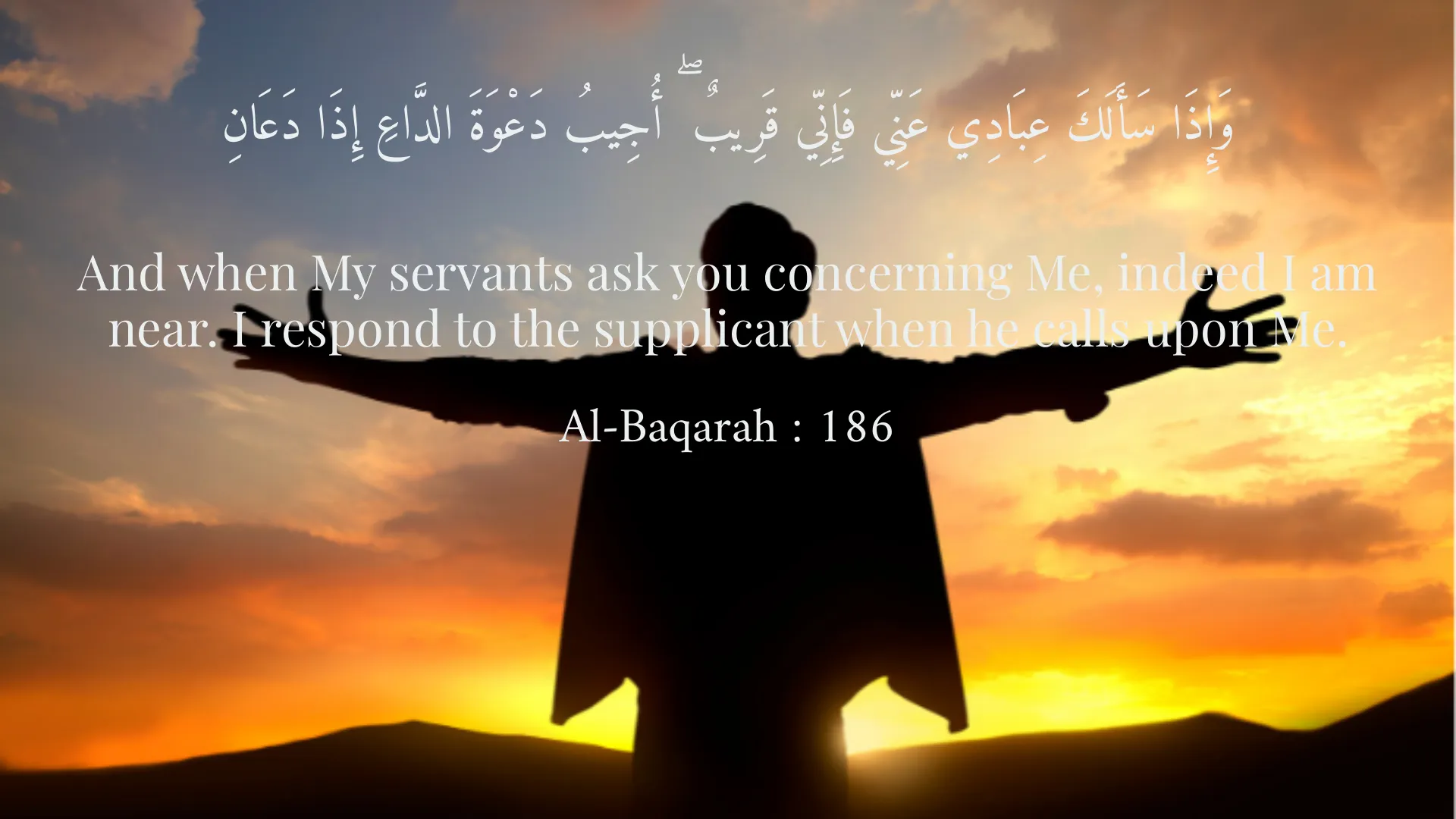
In the Holy Quran, many promises are given to the believers, indicating that Allah listens to their sorrows and responds to their prayers. This divine assurance is a cornerstone of Islamic belief that reinforces the connection between the Creator and His creation. The Quran serves as a guide for Muslims, providing them with the spiritual tools necessary to navigate life's challenges with faith, patience, and resilience. One of the most profound verses that highlight this relationship is found in Surah Al-Baqarah, verse 186, which states, 'And when My servants ask you concerning Me, indeed I am near. I respond to the supplicant when he calls upon Me.' This verse encapsulates the essence of Allah's readiness to listen and respond to the prayers of those who seek Him earnestly. It emphasizes that Allah is not a distant figure, but rather a loving and compassionate presence who is intimately aware of our struggles and desires. The act of turning to Allah in times of need fosters a sense of closeness that can provide solace amidst life's trials. The nature of this relationship is reciprocal; while Allah promises to respond to our prayers, believers are encouraged to actively seek Him through sincere supplication. This invocation is not merely about seeking favors; it is an earnest expression of one’s dependence on Allah, acknowledging human limitations and the need for divine assistance. Recognizing Allah’s nearness encourages believers to open their hearts and pour out their sorrows, knowing that they will be met with compassion and understanding. This connection serves as a lifeline during periods of hardship, offering hope and reassurance that no matter how insurmountable the obstacles may seem, Allah's help is always available. Surah Al-Imran, verse 139, further reinforces this theme by stating, 'And do not weaken or grieve, for you will surely be superior if you are believers.' This verse is a powerful reminder that maintaining faith in Allah leads to spiritual elevation and fortitude in adversity. The Quran frequently emphasizes the importance of having faith and trust in Allah’s plan, encouraging believers to rise above despair and to face challenges with courage. The mention of becoming 'superior' signifies not just a victory over life’s difficulties but a transformation of the self that arises from unwavering belief in Allah’s wisdom and mercy. When we navigate life's ups and downs, self-doubt and despair can often cloud our judgment and lead to feelings of isolation. However, the Quran provides a framework for understanding that these emotions are part and parcel of the human experience. Through various narratives and teachings, believers are reminded that trials are tests of faith that can ultimately lead to personal growth and maturity. This perception of hardship as a means of spiritual elevation transforms our understanding of suffering. Instead of viewing challenges solely as burdens, we can begin to see them as opportunities for strengthening our relationship with Allah. Moreover, the teachings within the Quran provide practical guidance on how to approach prayer and supplication with sincerity and humility. Believers are encouraged to cultivate a regular habit of prayer, engaging with Allah through both formal prayers (Salah) and personal supplications (Dua). This continual dialogue fosters intimacy and trust, allowing individuals to share their dreams, fears, and frustrations with the One who knows them best. In practicing consistent prayer, believers can experience psychological relief, knowing they are directing their concerns towards an omnipotent and compassionate Creator who will respond when the time is right. The spiritual and mental peace derived from prayer cannot be overstated. In times of distress, turning to Allah often helps to alleviate anxiety and fear, granting individuals a sense of tranquility that transcends their immediate circumstances. Studies in psychology have shown that prayer can lead to improved mental health, reducing feelings of stress and promoting emotional resilience. This aligns perfectly with the Quran's teachings which highlight the close relationship between faith and mental well-being. Indeed, a believer is encouraged to rely on Allah—not only for material needs but also for emotional support and tranquility. In conclusion, the promises embedded in the Quran provide a robust framework for understanding the significance of prayer and the relationship between Allah and His servants. Believers are reassured of Allah's nearness, His readiness to listen, and His capacity to respond to their prayers. This relationship is not only a source of strength during difficult times but also a means of achieving peace and contentment in life. Through sincere invocation and unwavering faith, believers can navigate the complexities of existence with the knowledge that they are never alone. Each trial can lead to greater faith and a deeper connection with Allah, reinforcing the belief that despite the tumultuous nature of life, there is an unwavering divine path toward success and tranquility.
Related Verses
وَإِذَا سَأَلَكَ عِبَادِي عَنِّي فَإِنِّي قَرِيبٌ ۖ أُجِيبُ دَعْوَةَ الدَّاعِ إِذَا دَعَانِ
And when My servants ask you concerning Me, indeed I am near. I respond to the supplicant when he calls upon Me.
Al-Baqarah : 186
وَلا تَهِنُوا وَلَا تَحْزَنُوا وَأَنتُمُ الْأَعْلَوْنَ إِن كُنتُم مُّؤْمِنِينَ
And do not weaken or grieve, for you will surely be superior if you are believers.
Al-Imran : 139
Short Story
One day, a man named Hassan went to the mosque with a troubled heart and in his prayer said, 'O my God, my life's situation has become difficult, and I don't know what to do.' Suddenly, he remembered the Quranic verse that says, 'And I am near.' With this thought, a deep peace embraced him, and he felt he was not alone and that God sees and hears him.