Quranic Answer
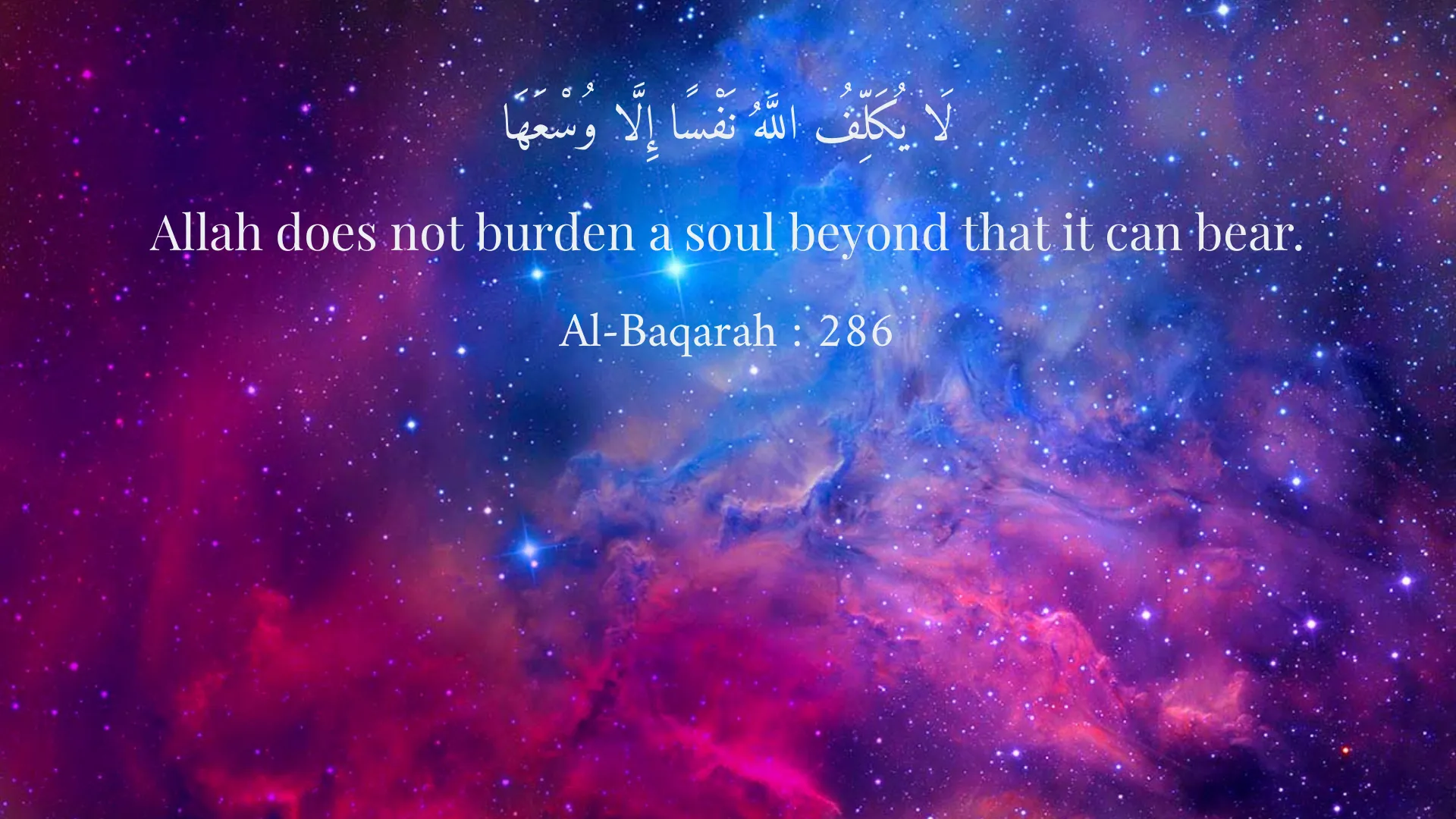
The question of whether God answers those who have doubts is one that resonates deeply within the hearts and minds of many individuals. One prominent source that provides guidance on this subject is the Holy Quran, which contains verses that address human doubts, skepticism, and the nature of faith itself. Among the verses, Surah Al-Baqarah, verse 286 stands out as a significant declaration from Allah: 'Allah does not burden a soul beyond that it can bear.' This verse conveys a profound message about the nature of divine guidance and the compassionate relationship between God and humanity. In this verse, it is evident that Allah acknowledges the struggles and doubts that an individual may face. Instead of punishing or abandoning those who harbor uncertainty, Allah reassures them that they will not be tasked with challenges beyond their capacity to handle. This is particularly meaningful when grappling with existential questions or doubts about faith. The implication here is that God understands the human experience, including the feelings of uncertainty and doubt, and offers a divine promise of support and understanding. Furthermore, in Surah Al-Mu'minun, verse 115, Allah extends this conversation about purpose and existence: 'Did you think that We created you uselessly and that to Us you would not be returned?' This verse emphasizes the idea that humanity is created with intention and purpose. It serves as a reminder that our existence is not random; rather, it is a part of a greater divine plan. The notion that we will eventually return to Allah encourages individuals to reflect on the purpose of their lives and the meaningful journey of seeking knowledge and truth. These Quranic verses illustrate that doubt and uncertainty are not only natural aspects of faith but also integral to the process of spiritual growth. Many religious traditions acknowledge that questioning and seeking answers is essential to developing a deep and authentic faith. In fact, it is through wrestling with doubt that individuals often find clarity, strength, and a more profound connection to the divine. The Holy Quran also invites individuals to engage earnestly in their quest for truth. It does not discourage questioning or expressing doubts; instead, it encourages sincere prayers and supplications. This is crucial for anyone who battles uncertainties regarding their faith or any other aspect of life. In moments of doubt, the Quran assures us that turning towards God and seeking guidance will not go unanswered. In many instances, individuals report experiencing a sense of peace and clarity after reaching out to the divine, highlighting the power of prayer and the importance of faith in overcoming uncertainty. The relationship between doubt and faith can often be complex. For many, doubt may lead to isolation or a feeling of distance from God; however, the Quran's messaging reveals the contrary. Instead of distancing oneself from God in times of uncertainty, the verses encourage individuals to draw nearer and seek solace in divine presence. This pursuit of understanding aligns with the intention to seek guidance and truth, and it is an acknowledgment that doubt is a legitimate part of spiritual exploration. The significance of community and dialogue around matters of faith cannot be overlooked. Engaging in discussions with others who may share similar doubts or experiences can also foster a supportive environment for exploring and resolving uncertainties. Many religious communities offer resources for individuals grappling with their beliefs, including counseling, education, and peer support, which can help individuals crave the answers they seek and dispel feelings of isolation. In today's world, where many face modern challenges and existential questions, the principles outlined in the Quran remain remarkably relevant. Individuals often encounter doubts regarding moral and ethical dilemmas, the purpose of life, or even the existence of a higher power. The essence of Quranic teachings emphasizes that these struggles are not only normal but also important, as they drive the human quest for deeper understanding and connection to the divine. In addition to the Quranic texts, it's important to acknowledge interpretations and teachings from scholars and spiritual leaders who provide context and insights about dealing with doubts. Such interpretations can shine a light on personal experiences of faith and doubt, thus offering guidance for individuals navigating these feelings. Many spiritual leaders advocate for a compassionate approach towards questioning and provide frameworks for understanding how doubts can lead to a stronger, more personal faith. Overall, the Quranic perspective on doubt serves as a beacon of hope and encouragement. It invites individuals to embrace their uncertainties as an integral part of their spiritual journey while assuring them that God is always near, ready to respond to their heartfelt inquiries for guidance and understanding. Believers are encouraged to take their doubts to prayer, thus creating an avenue for divine intervention and enlightenment. In conclusion, one can assert that the Holy Quran provides a rich tapestry of guidance for those grappling with doubts. It affirms that God does not abandon or punish those who question; rather, He invites them to seek the truth earnestly. Through verses like Surah Al-Baqarah, verse 286, and Surah Al-Mu'minun, verse 115, the Quran reassures individuals that they are created with purpose and that God is invested in their journey towards truth. Thus, in moments of uncertainty, individuals can take comfort in the divine promise that sincere prayers will not go unanswered, and through humility and earnest seeking, they may find the light of guidance they desire.
Related Verses
لَا يُكَلِّفُ اللَّهُ نَفْسًا إِلَّا وُسْعَهَا
Allah does not burden a soul beyond that it can bear.
Al-Baqarah : 286
أَفَحَسِبْتُمْ أَنَّمَا خَلَقْنَاكُمْ عَبَثًا وَأَنَّكُمْ إِلَيْنَا لَا تُرْجَعُونَ
Did you think that We created you uselessly and that to Us you would not be returned?
Al-Mu'minun : 115
Short Story
One day, a man named Ahmad was pondering the meaning of his life. He was passing through days, but he had forgotten his feelings about God. One day, he went to a mosque, and upon hearing the verses of the Quran, his heart was revived. He realized that even in times of doubt, God had not forsaken him, and He expected him to seek the truth. This change in his life directed him toward faith and hope.