Quranic Answer
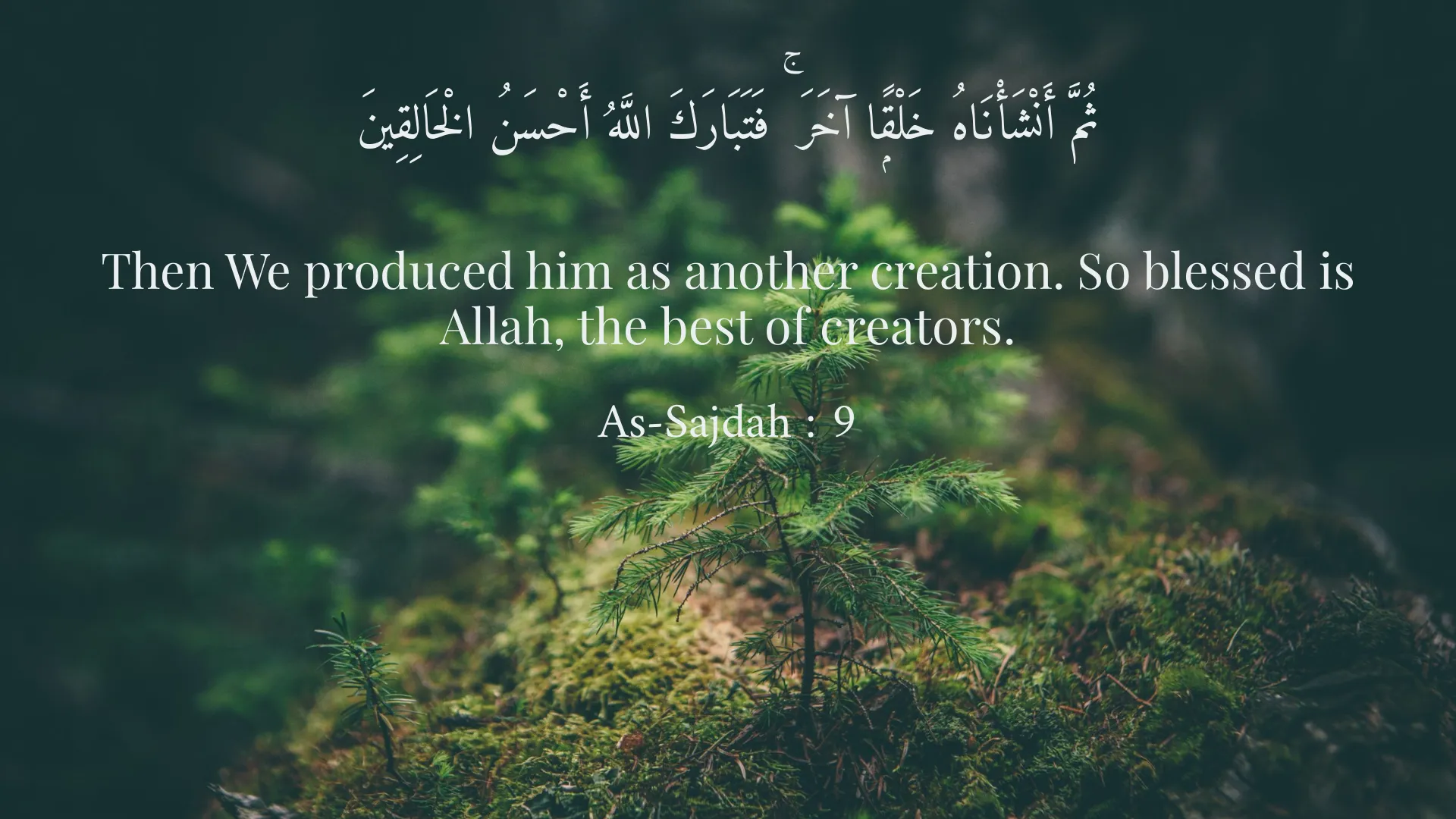
The Holy Quran, the sacred text of Islam, stands as a profound testament to the omnipotence and omniscience of Allah (God). Among its many themes, the principle of divine observation is particularly striking. From the outset, the Quran emphasizes that God sees everything and that nothing remains hidden from His gaze. This fundamental concept serves as a source of guidance and accountability for believers, prompting them to live their lives with an acute awareness of God's ever-watchful presence. One of the significant verses that encapsulates this idea is found in Surah As-Sajdah (Chapter 32), verse 9, where Allah proclaims: 'Then We produced him as another creation. So blessed is Allah, the best of creators.' This verse speaks to the grandeur of creation itself while simultaneously highlighting God's absolute knowledge. It affirms that Allah not only has the power to create but also possesses the wisdom and oversight to observe the created—here, the reference to humanity in this context reinforces the belief that every individual is known, seen, and understood completely by their Creator. The Quran elaborates further on God's intimate awareness of human thoughts and intentions. Surah Ghafir (Chapter 40), verse 19 states: 'Indeed, Allah is Knowing of the thoughts of the breasts.' This profound declaration illustrates that God's knowledge extends to the innermost thoughts and secrets that one may harbor. It underscores the idea that one cannot hide their intentions from God; every feeling, desire, and consideration lies within His comprehensive oversight. This concept may evoke a sense of accountability, compelling believers to reflect on their inner dialogues and subconscious motives. Moreover, in Surah Al-Mu'minun (Chapter 23), verse 115, Allah addresses humanity with a rhetorical question: 'Did you think that We created you in vain and that you would not be returned to Us?' This question serves to remind us that human existence is imbued with meaning and purpose. It suggests that each person has a role within the grand tapestry of creation, and that life is not an arbitrary sequence of events. Rather, it is a journey under the vigilant eye of a Creator who assesses not only deeds but also the intentions behind those deeds. The reminder of facing accountability in the afterlife encourages individuals to pursue lives of righteousness and virtue. The Quran and its teachings highlight that God's eyesight transcends the material and limited perspective of humanity. Where human sight may falter, or where human judgment could potentially mislead, God retains perfect clarity. This fact compels believers to acknowledge God's supremacy in all dimensions of life. It serves as a clarion call to submit to divine guidelines, seeking Allah's guidance for discernment and clarity in decision-making. Additionally, the weight of knowing that God is always observing influences the moral compass of those who embrace faith. Recognizing that intentions, thoughts, and actions are under constant divine scrutiny fosters a sense of responsibility and mindfulness. As a result, believers are motivated to strive for good, engage in acts of kindness, seek justice, and refrain from sin. This awareness acts as a deterrent to transgression, as individuals are less likely to engage in wrongful behavior when they acknowledge the presence and observation of a divine authority. In many ways, the understanding of God's watchfulness equips individuals with the moral fortitude to navigate life's complexities. The Quran emphasizes that not only is creation purposeful, but it also necessitates active engagement with faith as a guiding principle. Each individual's journey is divinely overseen, reinforcing the belief that God is intimately involved in the lives of His creations. The awareness of God’s presence encourages reflection on one’s own actions and thoughts. Believers find solace in the acknowledgment that they are seen and understood, promoting a sense of belonging in a creation resonating with divine consciousness. This relationship with God empowers individuals to come to Him in prayer and supplication, asking for guidance, forgiveness, and strength to remain steadfast on their path of righteousness. Such practices foster spiritual growth and create a more profound relationship with the Creator. In conclusion, the observation that God consistently watches over humanity is a vital theme in the Holy Quran, deeply embedded in its verses and teachings. It serves as an enduring reminder of the responsibility that accompanies human freedom—where thought, intention, and action intertwine. Each believer is called to acknowledge the divine gaze and engage with life purposefully, grounding their existence in faith, accountability, and ethical conduct. As Muslims navigate their paths in an ever-changing world, the enduring truth of divine watchfulness challenges them to aspire to higher moral standards, fostering a society rooted in compassion, justice, and kindness. Thus, understanding and accepting God's omnipotent watchfulness is not merely an obligation, but a pathway toward spiritual fulfillment and personal excellence.
Related Verses
ثُمَّ أَنْشَأْنَاهُ خَلْقًۭا آخَرَ ۚ فَتَبَارَكَ اللَّهُ أَحْسَنُ الْخَالِقِينَ
Then We produced him as another creation. So blessed is Allah, the best of creators.
As-Sajdah : 9
إِنَّ اللَّهَ عَلِيمٌۭ بِذَاتِ الصُّدُورِ
Indeed, Allah is Knowing of the thoughts of the breasts.
Ghafir : 19
أَحَسِبْتُمۡ أَنَّمَا خَلَقْنَـٰكُمۡ عَبَثًۭا وَأَنَّكُمۡ إِلَيْنَا لَا تُرْجَعُونَ
Did you think that We created you in vain and that you would not be returned to Us?
Al-Mu'minun : 115
Short Story
One day, a man faced difficult circumstances in the market. On that day, he felt hopeless and remembered the verses of the Quran that state God sees everything. He decided to overcome his problems and trust in his Lord. With that faith, his life turned into a path of hope and peace.