Quranic Answer
The Importance of Intention in Islam: A Comprehensive Understanding from the Holy Quran Introduction In the Islamic faith, the concept of intention, or 'niyyah,' is a fundamental aspect that deeply intertwines with one’s deeds and actions. The Holy Quran emphasizes that not only are actions important, but intentions behind those actions hold significant weight in the eyes of Allah.Through various verses, it becomes clear that Allah sees and knows our intentions, and this understanding is crucial for every Muslim striving to live a righteous life. This article aims to elaborate on the significance of intentions as derived from the Quran, particularly through verses from Surah Al-Baqarah, Surah Al-Imran, and Surah Al-An’am. The Clarity of Intention in Surah Al-Baqarah Surah Al-Baqarah serves as an essential chapter in the Quran, providing guidance to the believers on a myriad of issues. Verse 2 of this chapter unequivocally states: 'This is the Book about which there is no doubt, a guidance for those conscious of Allah.' This passage lays the foundation for understanding that the Quran is not merely a text of laws and rules but also a guide to consciousness and awareness of Allah in one’s heart and mind. The phrase 'those conscious of Allah' suggests that one’s intentions play a pivotal role in their engagement with the text and its teachings. When engaging with the teachings of Islam, believers must reflect on their motivations and intentions. The Quran indicates that even if an individual has the intention to perform a righteous deed, it is significant in the eyes of Allah, regardless of whether the action is actually carried out. This concept serves to reaffirm the belief that the state of one’s heart and the intentions therein are paramount in the practice of faith. Recognition of Hidden Intentions in Surah Al-Imran In Surah Al-Imran, verse 29, Allah states: 'Say, 'Whatever is in your breasts Allah knows it.' This verse provides profound insight into the omnipotence and omniscience of Allah. Unlike human beings who may judge others based on their visible actions, Allah knows the hidden sentiments residing within a person's heart. This highlights the fact that Allah's judgment is based on the entirety of one's being, including the thoughts, feelings, and intentions that may not be apparent on the surface. This divine insight encourages believers to be mindful not only of the actions they undertake but also of the intentions that guide these actions. It instills a sense of accountability, as Muslims are reminded that their inner thoughts and motives do not escape Allah's knowledge. This further illustrates that having a pure intention, even if it remains unfulfilled, is recognized and valued in Islam. The Reward for Good Intentions in Surah Al-An’am The significance of intentions is further emphasized in Surah Al-An’am, verse 160, where it states: 'Whoever does a good deed will receive a reward ten times as much.' This verse reflects the magnanimity of Allah's mercy and the understanding that good intentions alone can lead to tremendous rewards. In Islam, it is well understood that attempts to perform good deeds—no matter the outcome—are acknowledged by Allah. For instance, if a believer intends to donate to charity or assist someone in need but, due to unforeseen circumstances, is unable to do so, the intent itself is still recognized. The very decision to perform such deeds and the effort exerted carry weight in the spiritual realm. This encourages believers to strive for goodness and to engage in actions that foster community and support for one another, knowing that even if they cannot fulfill every intention, they will still be rewarded for their sincere efforts. Purification of Intentions Given the emphasis on the significance of intentions, it becomes crucial for Muslims to constantly purify their hearts and motivations. The Prophet Muhammad (peace be upon him) also articulated the importance of intention when he stated, 'Actions are judged by intentions, so each person will have what they intended.' This hadith reiterates that every act of worship or deed is inherently tied to the intention behind it, thus reinforcing the belief that sincerity and purity of intention are of paramount importance in Islamic practice. To purify one’s intentions, Muslims are encouraged to engage in self-reflection, seeking closeness to Allah through prayer and supplication. This practice can help realign one’s motivations and ensure that actions are being performed for the sake of Allah alone. When believers cultivate intentions rooted in sincerity and humility, they are more likely to witness positive outcomes in both their spiritual and worldly affairs. Conclusion In conclusion, the Quran presents a profound understanding of the role that intentions play within the faith of Islam. Verses from Surah Al-Baqarah, Surah Al-Imran, and Surah Al-An’am collectively emphasize that Allah not only observes our actions but also scrutinizes the motives that underlie these actions. It serves as a constant reminder for Muslims to engage in self-assessment and strive for goodness while keeping their intentions pure. The acknowledgment that good intentions are rewarded, even if actions are not realized, showcases Allah’s boundless mercy and understanding towards His creations. Accordingly, Muslims should cultivate a continuous effort to purify their hearts and refine their intentions, recognizing that this process is fundamental to their spiritual journey. As they strive for goodness and enhance their consciousness of Allah, they will undoubtedly discover strength and purpose in their faith journey, knowing that their intentions are both seen and valued by Allah. Thus, intention remains a vital element in the practice of Islam, guiding Muslims toward a path of righteousness.
Related Verses
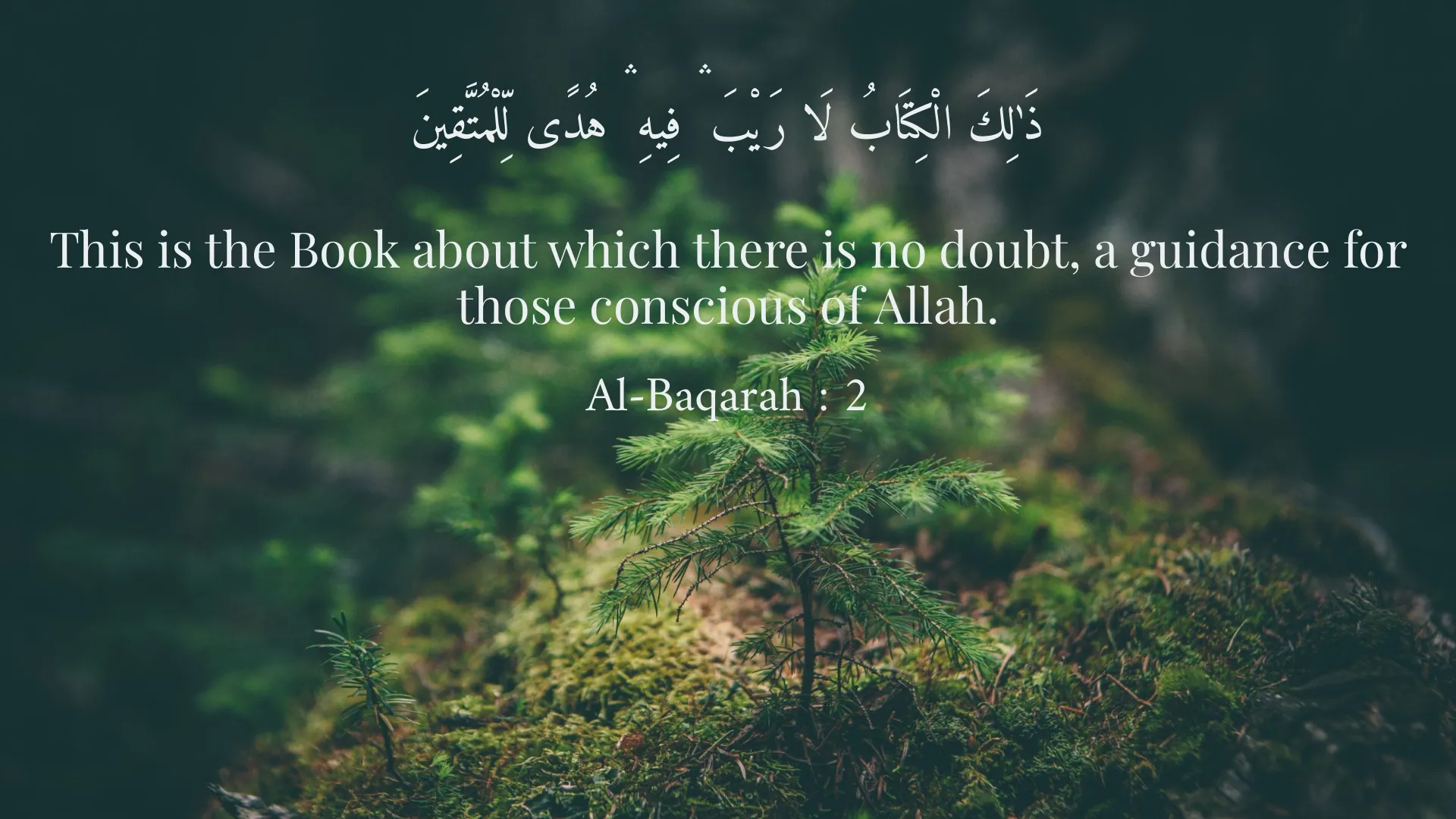
ذَٰلِكَ الْكِتَابُ لَا رَيْبَ ۛ فِيهِ ۛ هُدًى لِّلْمُتَّقِينَ
This is the Book about which there is no doubt, a guidance for those conscious of Allah.
Al-Baqarah : 2
قُلْ إِنَّمَا أَعْلَمُ مَا فِي قُلُوبِكُمْ ۖ إِنَّ اللَّهَ كَانَ بِمَا تَعْمَلُونَ خَبِيرًا
Say, 'Whatever is in your breasts Allah knows it.'
Al-Imran : 29
مَن جَاءَ بِحَسَنَةٍ فَلَهُ عَشْرُ أَمْثَالِهَا ۖ وَمَن جَاءَ بِسَيِّئَةٍ فَلَا يُجْزَى إِلَّا مِثْلَهَا وَهُمْ لَا يُظْلَمُونَ
Whoever does a good deed will receive a reward ten times as much.
Al-An'am : 160
Short Story
One day, Ali was reflecting on his intentions. He decided to purify his intentions and focus more on good deeds. He recalled the verses of the Quran and realized that Allah sees his intentions even if he does not act upon them immediately. Thus, with hope and confidence, he began to perform good deeds and felt a greater sense of inner peace than before.