Quranic Answer
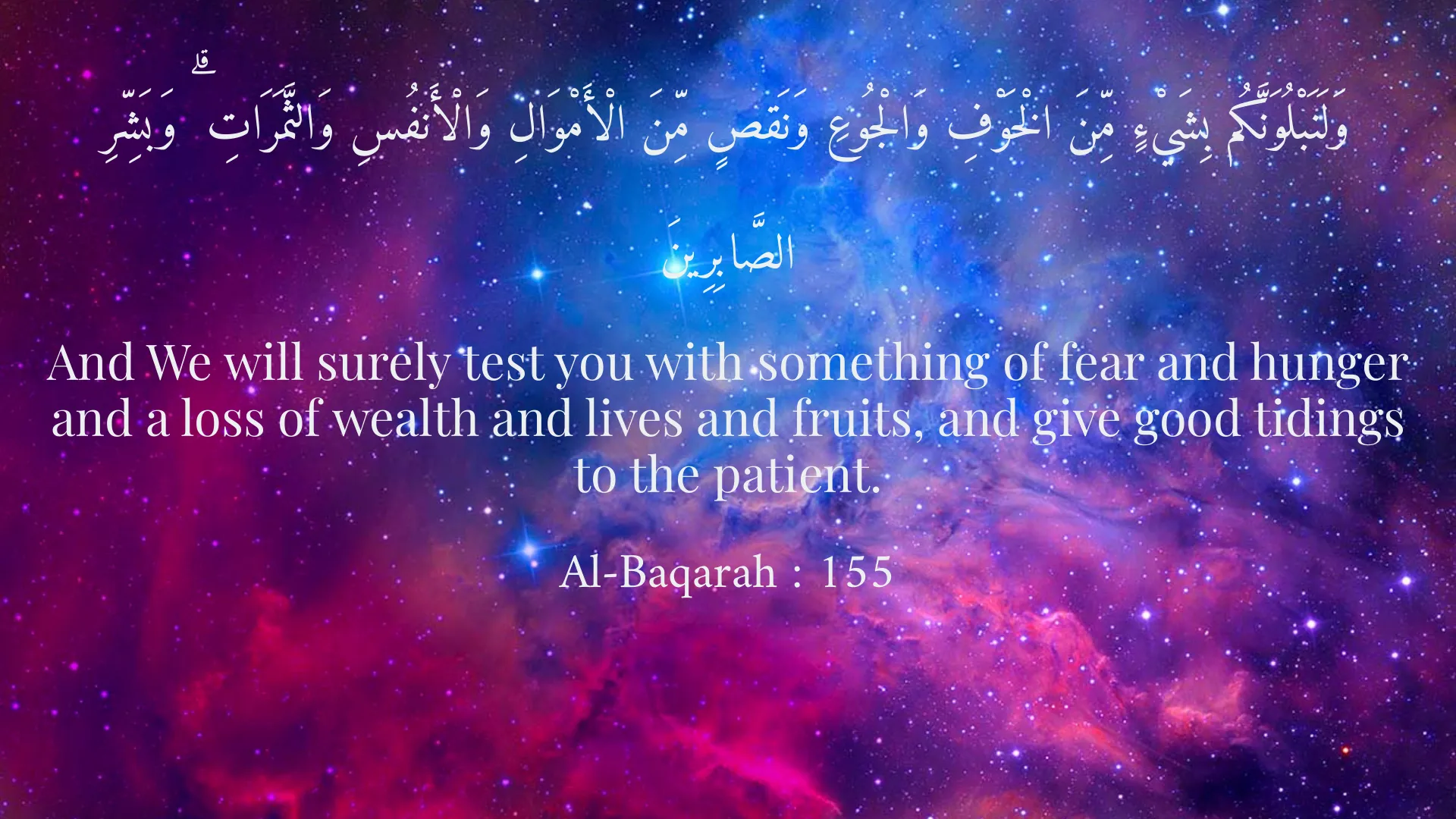
The concept of testing in the context of faith and spirituality is an age-old theme that has found its manifestation in various religious doctrines throughout history. In the Holy Quran, the divine intent behind testing is intricately woven into the fabric of a believer's experience. The notion that God will test His servants is not only a reminder of life's inevitable challenges but also serves as a profound vehicle for personal and spiritual growth. This article delves into the significance of these tests as mentioned in the Quran, their implications on the believer's faith, and the ultimate purpose they serve in the divine plan. The Quran explicitly states the reality of divine testing in multiple verses, most notably in Surah Al-Baqarah, verse 155, where Allah declares, "And We will surely test you with something of fear and hunger and a loss of wealth and lives and fruits, and give good tidings to the patient." This verse poignantly encapsulates the essence of life's struggles. The tests articulated here are not arbitrary but are strategically designed to draw out the inherent qualities of faith, patience, and resolve within individuals. Each challenge represents an opportunity to reflect one's commitment to God. Furthermore, in Surah Al-Imran, verse 186, it states, "Indeed, you will be tested in your wealth and your souls..." This profound statement explicitly reiterates the inevitability of trials, primarily focusing on aspects that individuals often hold dear – their finances and their inner selves. Such tests of wealth could manifest through economic hardship or loss, while tests of the soul could show up as emotional distress or existential dilemmas. Together, these trials are integral to the human experience, acting as catalysts for developing resilience and faith. One of the primary functions of these tests is to serve as a measure of one's faith. The Quran consistently emphasizes that true faith is not merely a declaration but an active conviction that endures through adversity. A believer's response to trials is a crucial indicator of their spiritual state. Those who navigate these challenges with patience, gratitude, and reliance on God are essentially reinforcing their faith, gaining higher ranks in the divine order. As mentioned in the same verse of Surah Al-Baqarah, Allah bestows good tidings on the patient, emphasizing the merit of steadfastness in the face of adversity. Beyond merely testing faith, these challenges are instrumental for personal growth and developing a strong connection with God. When faced with difficulty, individuals often find themselves introspecting and reassessing their lives. These moments of trial compel one to turn to God, not only seeking assistance but also cultivating a sense of dependence on the Divine. In this regard, tests create a unique opportunity for believers to reconnect with their faith on a deeper level. It is during times of hardship that many find solace in prayer, reflection, and seeking forgiveness, ultimately fostering a more profound spiritual awakening. Moreover, the Quran imparts wisdom through these trials, as it encourages individuals to view hardships as a means of refinement rather than punitive measures. In essence, the testing process can be understood through the lens of a blacksmith forging steel. Just as steel is subjected to intense heat and pressure to emerge resilient, so are believers forged through their trials. This purification process can lead to the emergence of virtues such as empathy, compassion, and gratitude, which are often overlooked in times of ease. Notably, the relationship between trials and spiritual elevation is a recurring theme throughout Islamic teachings. The trials believers face allow them to develop a unique understanding of God’s attributes, such as His mercy, wisdom, and sovereignty. As they navigate life's hardships, individuals are often reminded of their own weaknesses and the need for divine assistance. This acknowledgment leads to an authentic relationship whereby one becomes fully aware of their reliance on God. Consequently, as trials are endured with patience, believers foster a deeper connection that is characterized by humility and gratitude. The concept of community also plays an essential role in this discussion. Through shared experiences of trials and challenges, believers can form bonds of solidarity and support that enhance the communal fabric of faith. In recognizing that everyone faces trials, it cultivates an environment of empathy and mutual encouragement, reminding individuals that they are not alone in their struggles. In this collective journey, the burden of individual testing can become less daunting. Sharing stories of perseverance in light of these trials strengthens community ties and demonstrates the collective commitment to faith. In conclusion, the tests that God administers to His servants serve multiple purposes that go beyond mere evaluation of faith. They are instrumental in encouraging personal growth, fostering a closer relationship with God, and enhancing the overall spiritual fabric of the community. The Quran provides a compelling framework to understand that life's trials are not to be feared but embraced as crucial components of the divine narrative. By responding to these tests with patience and resilience, believers can attain higher spiritual ranks and emerge profoundly connected to their faith and God. Therefore, in the face of adversity, the faithful are reminded that these challenges are pathways to spiritual and moral elevation that ultimately align with God’s greater plan.
Related Verses
وَلَنَبْلُوَنَّكُم بِشَيْءٍ مِّنَ الْخَوْفِ وَالْجُوعِ وَنَقصٍ مِّنَ الْأَمْوَالِ وَالْأَنفُسِ وَالثَّمَرَاتِ ۗ وَبَشِّرِ الصَّابِرِينَ
And We will surely test you with something of fear and hunger and a loss of wealth and lives and fruits, and give good tidings to the patient.
Al-Baqarah : 155
إنكم ستُجَرَّبُون في أموالكم وأنفسكم...
Indeed, you will be tested in your wealth and your souls...
Al-Imran : 186
Short Story
Once upon a time, Maryam, a girl filled with dreams and hopes, faced many challenges. She often asked God why these hardships had entered her life. One day, while passing by a garden, she saw a gardener lovingly planting flowers. In that moment, she realized that this practice and preparation to care for the flowers resembled the tests we face in life. Maryam decided to perceive her hardships as opportunities for growth and learning; and with this new perspective, her life transformed.