Quranic Answer
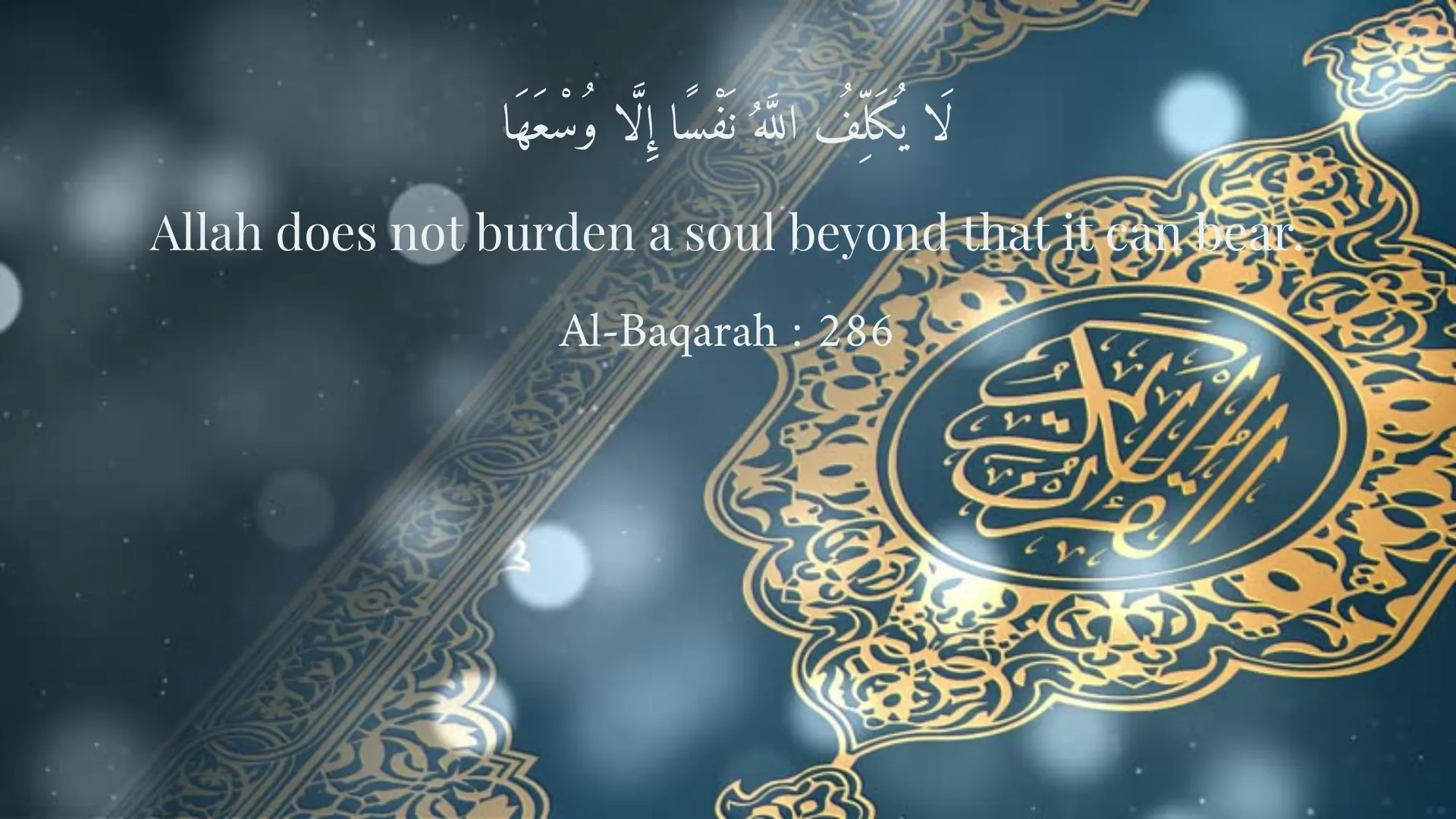
The Holy Quran, revered as the verbatim word of God by Muslims, is a profound text that intricately weaves together spirituality, guidance, and the understanding of the human condition. One of its most striking themes is the acknowledgment of the pains and struggles experienced by humanity. As a divine revelation, the Quran offers insights into the complexities of human life, emphasizing the importance of understanding one's sufferings while also assuring them of God's mercy and compassion. In this context, we can explore several key verses and themes present in the Quran that manifest this understanding. God's mercy and compassion are frequently reiterated throughout the Quran, serving as a beacon of hope for believers. One of the most illustrative verses is found in Surah Al-Baqarah, verse 286, where Allah states: "Allah does not burden a soul beyond that it can bear". This verse encapsulates a fundamental aspect of God's relationship with His creations, suggesting that He possesses an intimate awareness of both the capabilities and the struggles faced by His servants. This statement reinforces the concept that no matter how overwhelming our challenges may seem, they are aligned with our inherent strengths and abilities. This verse is also a source of comfort for those experiencing hardships, reminding them that these struggles are not arbitrary but rather tailored experiences meant for our growth and development. God’s wisdom ensures that we are never placed in situations beyond our capacity to endure, thereby fostering resilience among believers. Through this divine assurance, the Quran urges individuals to cultivate patience and steadfastness, knowing that their trials have a purpose. Moreover, the Quran posits a rich understanding of the essence of creation itself. In Surah Al-Mu'minun, verse 14, it is mentioned: "Then We made them into a different creation". This line refers to the moment of human creation and encompasses the entirety of human existence, underscoring that God has comprehensive awareness of all aspects of life from inception. The phrase signifies a transformation, encapsulating the physical, emotional, and spiritual realms of human experience. God’s omniscience allows for a profound connection with His creations, indicating that He recognizes both the visible and invisible struggles that individuals face throughout their lives. Thus, it becomes evident that divine understanding extends beyond mere empathy; it is an active engagement with humanity's suffering. This theme is further reflected in Surah Al-Inshirah, where Allah reassures His Prophet, stating: "Indeed, with hardship comes ease" (verses 5 and 6). This powerful assertion serves as a reminder of the cyclical nature of life’s challenges; that every hardship is accompanied by relief and that trials are often followed by rewards. This promise instills hope and emphasizes the transient nature of adversity. Through these verses, the Quran elucidates a vital lesson: we are never alone in our times of distress. God’s ever-present companionship acts as a sanctuary for believers. His understanding of our hidden pains—those struggles we often mask or hide from others—is profound. Each individual’s journey is marked with unique trials, and God has bestowed us with tools to navigate through these times, ensuring that we can seek His assistance. Seeking God’s help during difficult times exemplifies profound faith. The Quran encourages believers to turn towards prayer and supplication as means of solace. In establishing a connection with the Divine, one can find not only comfort but also guidance. The act of prayer becomes a moment for introspection and a channel to release burdens—transforming pain into a means of spiritual growth and understanding. Furthermore, the Quran addresses the significance of community and support among humanity. It teaches that we are not mere isolated beings but are interconnected, and our struggles are shared amongst us. The concept of Ummah, or community, encourages individuals to seek help, provide assistance, and alleviate the burdens of one another. The teachings of compassion and empathy found in the Quran present an invitation for collective healing and understanding of human struggles. When faced with adversities, it is essential to remember the divine promise of eventual ease. By nurturing patience and faith in God’s wisdom, believers can find strength in adversity. This approach fosters resilience and can lead to spiritual maturation—a transformation of pain into purpose. God's understanding of the pains experienced by humanity is a reassuring hallmark of His relationship with us. Verses discussed illustrate that our struggles are recognized and that we can count on divine support during our most tumultuous times. With God's help, we are encouraged to embrace our experiences, seek solace in prayer, and build strong communal ties, thus creating a supportive environment for navigating life's challenges. In conclusion, the Holy Quran not only acknowledges the burdens that each individual carries but also reassures that these burdens are purposeful and manageable. It calls upon believers to trust in God’s plan, engage in prayer, and support one another in the face of hardship. Each struggle is an opportunity for growth, and with the promise that "indeed, with hardship comes ease," believers are reminded of the divine wisdom that governs their lives and the assurance that they are never alone in their journey through life’s trials.
Related Verses
لَا يُكَلِّفُ اللَّهُ نَفْسًا إِلَّا وُسْعَهَا
Allah does not burden a soul beyond that it can bear.
Al-Baqarah : 286
ثم أنشأناه خلقا آخر
Then We made them into a different creation.
Al-Mu'minun : 14
فَإِنَّ مَعَ الْعُسْرِ يُسْرًا
Indeed, with hardship comes ease.
Al-Inshirah : 5
Short Story
Once upon a time in the heart of nature, a man named Ali lived. He always felt sadness and loneliness in his heart and wondered if anyone understood his pains. One day, while contemplating among the trees, he heard a lovely melody. He noticed a beautiful bird perched nearby, singing joyfully. Ali remembered the verses of the Quran and realized that God not only created the world beautifully but is also aware of our pains. From that day on, he decided to be grateful instead of sorrowful and to trust in God.