Quranic Answer
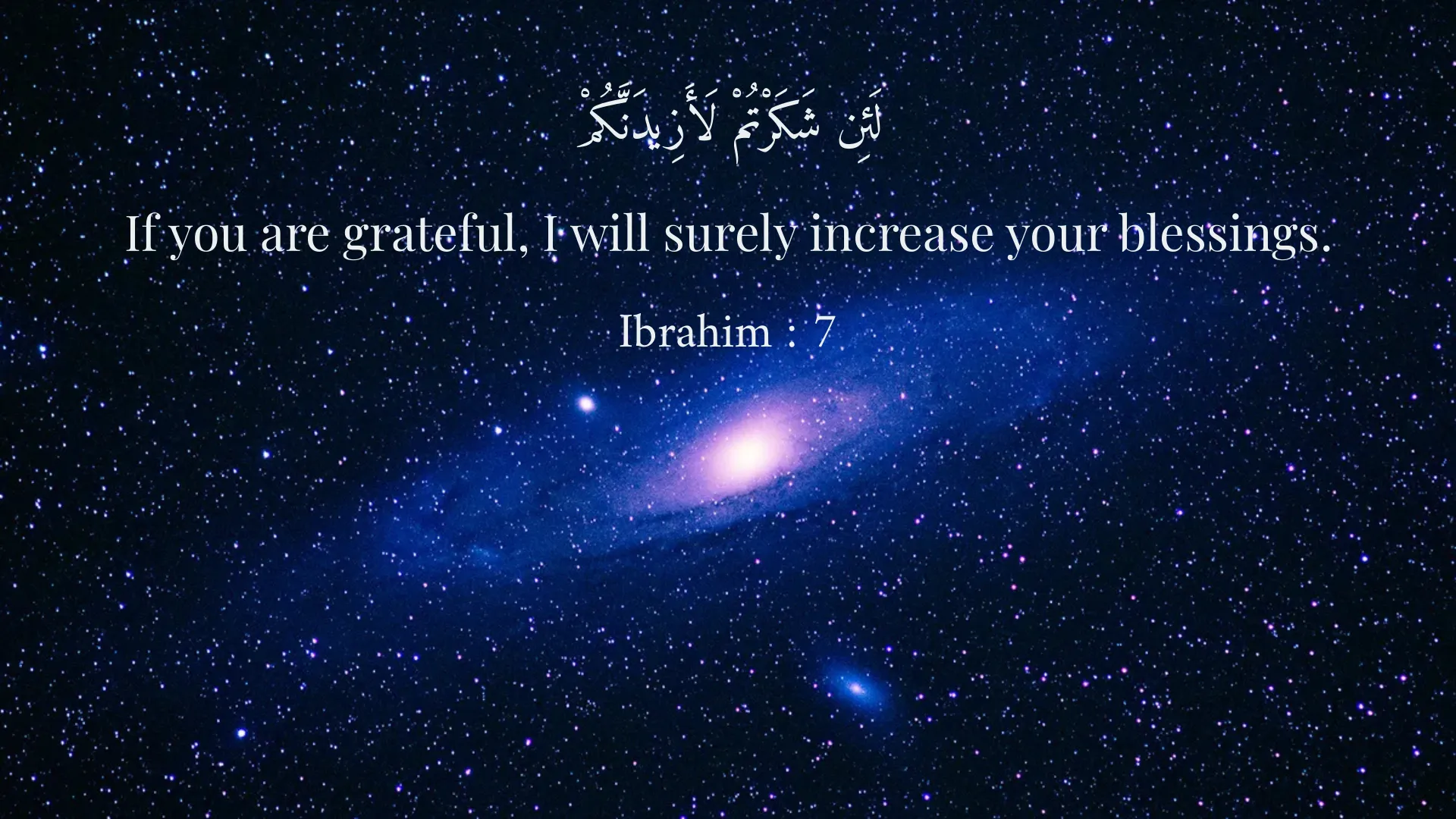
Gratitude is a profound theme that resonates through various cultures and religions, yet its essence is beautifully articulated in the Quran. Within its pages, gratitude is presented not just as a courtesy but as a pivotal act with substantial implications for human life. The verses underline the importance of recognizing and valuing the blessings bestowed upon us, which in turn fosters a deeper connection with the Divine. Particularly, in Surah Ibrahim, verse 7, Allah emphasizes, "If you are grateful, I will surely increase your blessings." This assertion is foundational as it establishes a direct correlation between gratitude and the amplification of blessings. This principle invites believers to reflect on the idea that the practice of gratitude is not merely an expression of thanks; it is a catalyst for receiving more of life's bounties. The notion that gratitude begets more blessings shifts our perspective on how we view the world around us. Gratitude entails an appreciation for what we have rather than lamenting what we lack. This mindset fosters satisfaction and cultivates peace within us, guiding us to approach God with sincerity and pure intentions. When we acknowledge the blessings in our lives, we tend to open our hearts to a more expansive view, allowing us to see additional opportunities for growth and joy that may have gone unnoticed. As we delve deeper into the Quran, we find that the theme of gratitude is not isolated to just one verse. In Surah An-Naml, verse 40, we encounter the narrative of Prophet Solomon—his wisdom, abilities, and the myriad blessings that surrounded him. The story serves as an illustrative example of how expressing gratitude can augment one's capacity to receive more. Solomon, a figure defined by his exceptional gifts, exemplifies that gratitude is a hallmark of leadership and spiritual excellence. His acknowledgment of God’s generosity and his subsequent gratefulness manifested in the form of profound wisdom and abundant blessings. The narrative urges us to consider how our responses to God’s gifts—whether through gratitude or negligence—determine the trajectory of our life's journey. The Quranic verses effectively convey the principle that Allah promises an increase in sustenance and blessings for those who practice gratitude. This promise acts as a motivating force for Muslims to cultivate an attitude of thankfulness daily. However, the implication extends beyond mere financial or material prosperity; gratitude fosters a psychological and spiritual transformation. It enhances one’s awareness of life's existing blessings, transforming mundane routines into celebrations of life’s small joys. By sharpening our focus on the good things that surround us, we become anchored in positivity, enabling us to lead a more fulfilled and vibrant existence. Moreover, gratitude has profound implications on our mental health. Research supports that regular expressions of gratitude can lead to increased happiness and overall well-being. When individuals harness the power of gratitude, they tend to exhibit reduced levels of stress, anxiety, and depression. The process of reflecting on what we are thankful for instills a sense of purpose and belonging. By integrating gratitude into our daily practices, we create a fertile ground for positivity and hope which inevitably influences our behaviors and relationships. Additionally, practicing gratitude can enhance our relationships with others. When we express appreciation for the people around us—friends, family, colleagues—we strengthen the bonds that tie us together. A simple thank you can uplift someone's spirits and inspire kindness in return. Gratitude transforms not just individual lives, but entire communities, establishing an ecosystem of appreciation and mutual support. In summary, to live with gratitude is to be in alignment with a higher force that recognizes the interconnectedness of all blessings in our lives. Expressing gratitude leads to an increase in sustenance, deeper emotional and spiritual fulfillment, and a more profound understanding of our place in the world. As believers, we are encouraged not only to be thankful in moments of joy but also to maintain this attitude during times of adversity. This holistic approach to gratitude transforms our life experience, paving the way toward divine blessings. In conclusion, the act of gratitude transcends far beyond the mere acknowledgment of our blessings; it is a transformative practice that can change our outlook on life, deepen our relationship with God, and enhance our interactions with others. By regularly expressing gratitude, we not only cultivate a sense of appreciation in our hearts but also create space for the influx of greater blessings that await us. Thus, living a grateful life ultimately shapes a path toward a more enriched, rewarding, and blessed existence.
Related Verses
لَئِن شَكَرْتُمْ لَأَزِيدَنَّكُمْ
If you are grateful, I will surely increase your blessings.
Ibrahim : 7
وَقَالَ الَّذِي عِندَهُ عِلْمٌ مِّنَ الْكِتَابِ أَنَا آتِيَكَ بِهِ قَبْلَ أَن يَرْتَدَّ إِلَيْكَ طَرْفُكَ
And said the one who had knowledge from the Scripture: 'I will bring it to you before your glance returns to you.'
An-Naml : 40
Short Story
One day, a man was sitting under a tree, contemplating his life. He realized that despite his many problems, he still had so much to be grateful for: his family, his health, and even his friend who was always by his side. He decided to pray every morning and ask God to guide him on the path of gratitude. Soon he found that his life was filled with blessings, and his problems disturbed him less frequently.