Quranic Answer
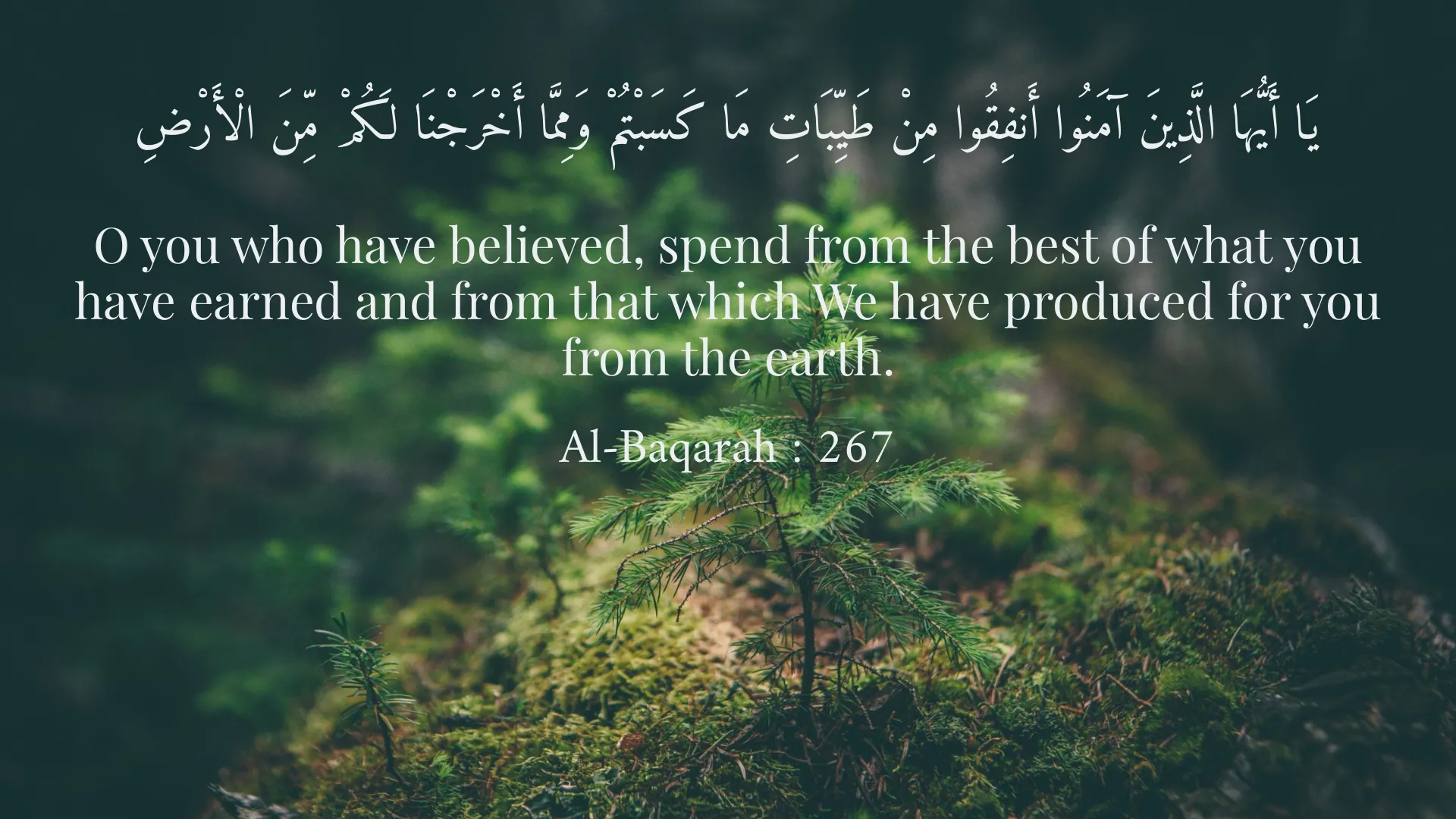
Paying zakat is one of the fundamental principles in Islam, explicitly mentioned in the Holy Quran. It serves as an obligatory form of charity aimed at purifying wealth while simultaneously assisting those in need, thus fostering a spirit of altruism and community cooperation. The concept of zakat is deeply rooted in Islamic teachings, calling upon believers to share their blessings with others in ways that reflect the essential moral values of compassion and responsibility. In the Holy Quran, specifically in Surah Al-Baqarah, verse 267, Allah states: "O you who have believed, spend from the best of what you have earned and from that which We have produced for you from the earth." This verse establishes that zakat is more than just a good deed; it is a religious obligation that must be performed with pure intent. The call to share the best of one's earned wealth signifies the importance of sincerity and the recognition of God's ultimate authority over all provisions. By giving zakat, Muslims not only adhere to a divine command but also pave the way for the purification of their wealth. Moreover, zakat serves as a means to reinforce a spiritual connection with Allah. In Surah At-Tawbah, verse 103, Allah assures: "Take, [O Muhammad], from their wealth a charity by which you purify them and cause them to grow, and invoke Allah upon them. Indeed, your invocations are reassurance for them." This passage highlights the dual impact of zakat; it is a tool for purification and spiritual growth. The relationship between zakat, prayer, and personal development shows how this act of giving can lead to both individual and communal blessings. When believers fulfill their zakat responsibilities, they cultivate a culture of giving within their communities, which plays a crucial role in mitigating poverty and fostering social equity. Zakat contributes to the social health of the community by redistributing wealth from those who have an abundance to those in need. This practice not only addresses immediate financial needs but also facilitates long-term economic stability. In addition to alleviating poverty, zakat promotes social cohesion and cooperation. When individuals know that their community prioritizes giving and supporting one another, it creates an atmosphere of trust and solidarity. This collective spirit nourishes relationships among community members, reinforcing a sense of belonging and mutual responsibility. By fulfilling zakat obligations, individuals participate in a greater social contract that reinforces community values and fosters harmony. The spiritual benefits of zakat are profound. It encourages a sense of gratitude and contentment among believers. Those who give willingly often report feeling an increased sense of happiness and satisfaction in their lives, as they recognize their role in the greater good. This sense of fulfillment is enriched by the belief that their contributions have a direct impact on the lives of others, and through these actions, they draw closer to Allah. Moreover, zakat is believed to attract additional blessings and prosperity. The Quran teaches that giving zakat not only fulfills a religious obligation but also serves to increase one's wealth and fortune. Many Muslims have shared testimonies of how their financial situations improved after they began to commit to paying zakat regularly. This notion reinforces the idea that the act of sharing brings about continual blessings and sustenance. In the context of the modern world, the necessity of zakat is ever more pronounced. Economic inequality is rampant in many societies, and the need for charity has never been greater. In this regard, zakat serves as a proactive measure to address social disparities. It is a call for Muslims to not only take responsibility for their wealth but also to use it as a catalyst for societal change. The obligation of giving zakat justly underscores the importance of fair distribution and can serve as a model for developing innovative solutions to tackle poverty worldwide. As adherents continue to reflect on their zakat contributions, it becomes essential to ensure that the funds are allocated effectively and intentionally. The rise of technology has facilitated easier ways for individuals to give their zakat, making it possible to track donations and identify those in need accurately. By harnessing these advancements, Muslims can further amplify the positive impact of zakat. Social platforms and apps designed for charitable giving are becoming pivotal tools in modern philanthropy, allowing donors to transparently see how their contributions are being used and the results they are generating. Additionally, it is imperative for communities to implement educational programs to help engage individuals in the practice of zakat. Many may not fully understand the significance or proper method of giving. Workshops and seminars can be offered to encourage questions and discussions about zakat, ensuring that believers grasp not only the methodology of calculating their obligations but also the spiritual and societal imperatives that underscore its importance. Furthermore, engaging younger generations in discussions around zakat cultivates a lifelong habit of giving, aligning with the core values of Islam from an early age. Initiatives that involve children in charitable activities can instill a sense of responsibility and awareness of social issues, ensuring that they grow up with a strong understanding of their role within the Muslim community and the world at large. Importantly, zakat is a reminder of the transient nature of wealth and material possessions. Muslims believe that everything they possess ultimately belongs to Allah, and humanitarian practices like zakat are a way to acknowledge this truth. On the Day of Resurrection, believers will be questioned about their wealth and how they chose to utilize it. This accountability highlights the need for conscientious decision-making when it comes to financial resources and reinforces the value of charity in Islam. In conclusion, paying zakat serves as an essential part of Islamic practice, merging individual faith with social responsibility. It is more than just an obligation; it is a holistic approach to fostering kindness, cooperation, and economic justice within communities. When performed sincerely and correctly, zakat not only purifies wealth but also provides profound spiritual rewards. The act of giving leads to an uplifting cycle of generosity and divine blessings that benefits both the giver and the recipient. As Muslims embrace the teachings surrounding zakat, they contribute to a legacy of compassion and integrity that resonates throughout the entire community, promoting peace and stability in an often-chaotic world. Thus, it is imperative for all believers to recognize and uphold their zakat obligations, ensuring a healthier, more cohesive society for all.
Related Verses
يَا أَيُّهَا الَّذِينَ آمَنُوا أَنفِقُوا مِنْ طَيِّبَاتِ مَا كَسَبْتُمْ وَمِمَّا أَخْرَجْنَا لَكُمْ مِّنَ الْأَرْضِ
O you who have believed, spend from the best of what you have earned and from that which We have produced for you from the earth.
Al-Baqarah : 267
خُذْ مِنْ أَمْوَالِهِمْ صَدَقَةً تُطَهِّرُهُمْ وَتُزَكِّيَهُمْ
Take, [O Muhammad], from their wealth a charity by which you purify them and cause them to grow, and invoke Allah upon them.
At-Tawbah : 103
Short Story
One day, Zakaria decides to pay his zakat. He realizes that after paying zakat, his financial situation has improved and blessings have started to flow toward him. From that day on, he continues to pay zakat with a happy and confident heart, and he encourages others not to forget this important act.