Quranic Answer
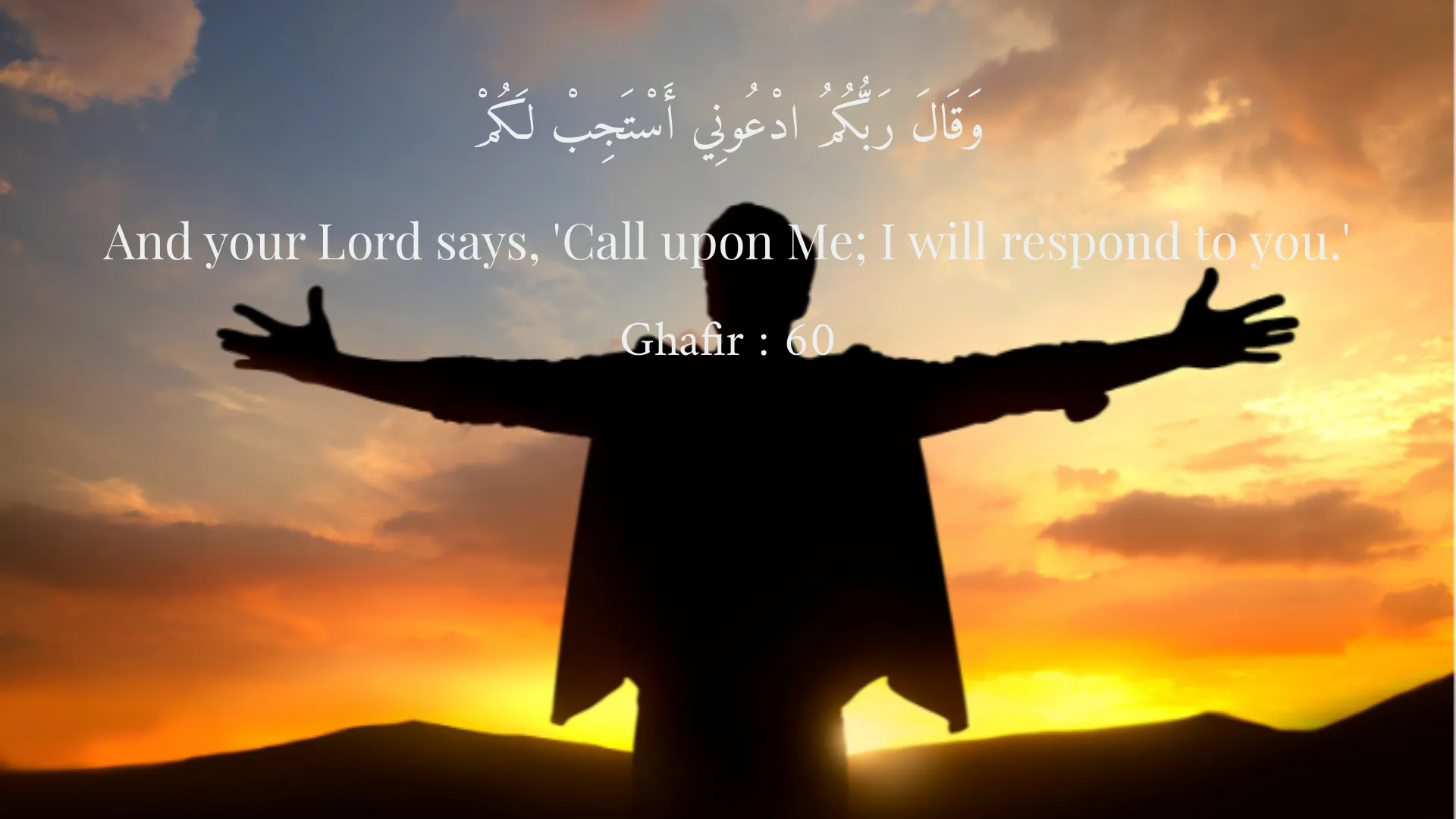
In the Holy Quran, prayer is presented as one of the most significant and effective forms of worship. It serves as a bridge that connects the believer to the divine and is emphasized as an essential practice for Muslims. This article delves into the importance of prayer in Islam, exploring its theological, psychological, and sociocultural dimensions, supported by verses from the Quran and the teachings of the Prophet Muhammad (PBUH). The foundational basis for the significance of prayer can be found in various verses of the Quran. One of the key verses is found in Surah Ghafir, verse 60, where Allah states, 'And your Lord says, Call upon Me; I will respond to you.' This verse reinforces the fundamental belief that praying is not merely a ritualistic act but rather a deeply intimate and personal way to invoke divine will. The act of praying symbolizes a longing for connection with the Creator, an acknowledgment of human limitations, and a sincere request for guidance and support. In addition, prayer is depicted as a dialogue between God and His servants. Surah Al-Baqarah, verse 186 expresses this extraordinary closeness: 'And when My servants ask you concerning Me, indeed I am near. I respond to the invocation of the supplicant when he calls upon Me.' This verse underscores the notion of God’s proximity to His believers, highlighting the accessibility of divine assistance in times of need. It reassures individuals that they are never alone and that their prayers will not go unanswered, allowing them to approach life’s challenges with a fortified spirit and a sense of hope. Empirical evidence supports the idea that prayer has a tangible impact on people’s lives. Numerous psychological studies have shown that individuals who engage in prayer often report experiencing a heightened sense of peace, comfort, and resilience when facing adversity. The power of prayer can act as a coping mechanism for individuals dealing with stress, anxiety, and uncertainty. For many, the act of praying provides a moment of reflection and introspection that fosters a greater understanding of one’s circumstances and encourages a positive outlook toward the future. Furthermore, prayer serves as a moral compass that guides individuals through the complexities of life. In trying times, prayers can offer clarity and help in making sound decisions. Throughout the Quran and the stories of the Prophets, one can observe that prayer consistently emerges as a source of strength, wisdom, and guidance. Whether it be Prophet Moses' (Musa) plea for assistance as he faced Pharaoh, or Prophet Job's (Ayyub) steadfast prayers during his trials, these narratives exemplify how reliance on prayer can empower individuals when confronted with adversity. Moreover, the communal aspect of prayer in Islam cannot be overstated. Congregational prayers, particularly the Friday prayer (Jummah), foster a sense of community among Muslims, creating bonds and collaborations that reinforce social ties and collective responsibility. Through communal worship, individuals come together, share their experiences, and uplift one another, thereby strengthening the fabric of society. The collective recitation of prayers allows individuals to unify their voices in supplication, reinforcing the concept of solidarity among believers. In addition to the spiritual benefits, prayer invokes a discipline in the daily lives of Muslims. The five daily prayers (Salah) are embedded within the rhythm of life, offering moments throughout the day for pause and reflection. The structure of the prayers instills a sense of regularity and dedication, encouraging individuals to prioritize their spiritual connection amidst their busy lives. Furthermore, prayer is an opportunity for self-improvement and moral growth. Each time an individual prays, they are reminded of the broader ethical and moral guidelines established in Islam. It serves as a ritualistic reminder of the values of compassion, empathy, and gratitude. Ultimately, through prayer, individuals are encouraged to aspire to become better versions of themselves by adhering to these values. Additionally, prayer has been linked to an increase in self-awareness and mindfulness. As individuals navigate their busy lives, prayer serves as a reminder to pause and connect with their inner selves and, by extension, with the divine. This mindful approach encourages individuals not only to worship but also to reflect on their actions and their impact on others, fostering a greater sense of responsibility and accountability. In conclusion, prayer in Islam is a multifaceted practice that extends beyond mere ritual; it is a profound communication with God, a source of solace and resilience, and a tool for moral and spiritual growth. The Quranic verses commenting on prayer elevate its importance and outline its transformative potential in the lives of believers. As both a personal journey and a means to foster community, prayer remains a cornerstone of the Islamic faith, encouraging individuals to build their lives upon a foundation of faith, hope, and connection with the divine. Therefore, it can be concluded that prayer is not only effective but also serves as an enduring mechanism for spiritual and moral evolution for Muslims around the world.
Related Verses
وَقَالَ رَبُّكُمُ ادْعُونِي أَسْتَجِبْ لَكُمْ
And your Lord says, 'Call upon Me; I will respond to you.'
Ghafir : 60
وَإِذَا سَأَلَكَ عِبَادِي عَنِّي فَإِنِّي قَرِيبٌ ۖ أُجِيبُ دَعْوَةَ الدَّاعِ إِذَا دَعَانِ
And when My servants ask you concerning Me, indeed I am near. I respond to the invocation of the supplicant when he calls upon Me.
Al-Baqarah : 186
Short Story
One day, a man named Ahmad was walking and reflecting on the challenges of his life. He felt hopeless, but suddenly remembered the Quranic verses that said, 'Call upon Me; I will respond to you.' He began to pray with a calm heart and asked God for help. After a long time of praying and seeking, he felt a sense of peace and noticed that his problems gradually began to resolve.