Quranic Answer
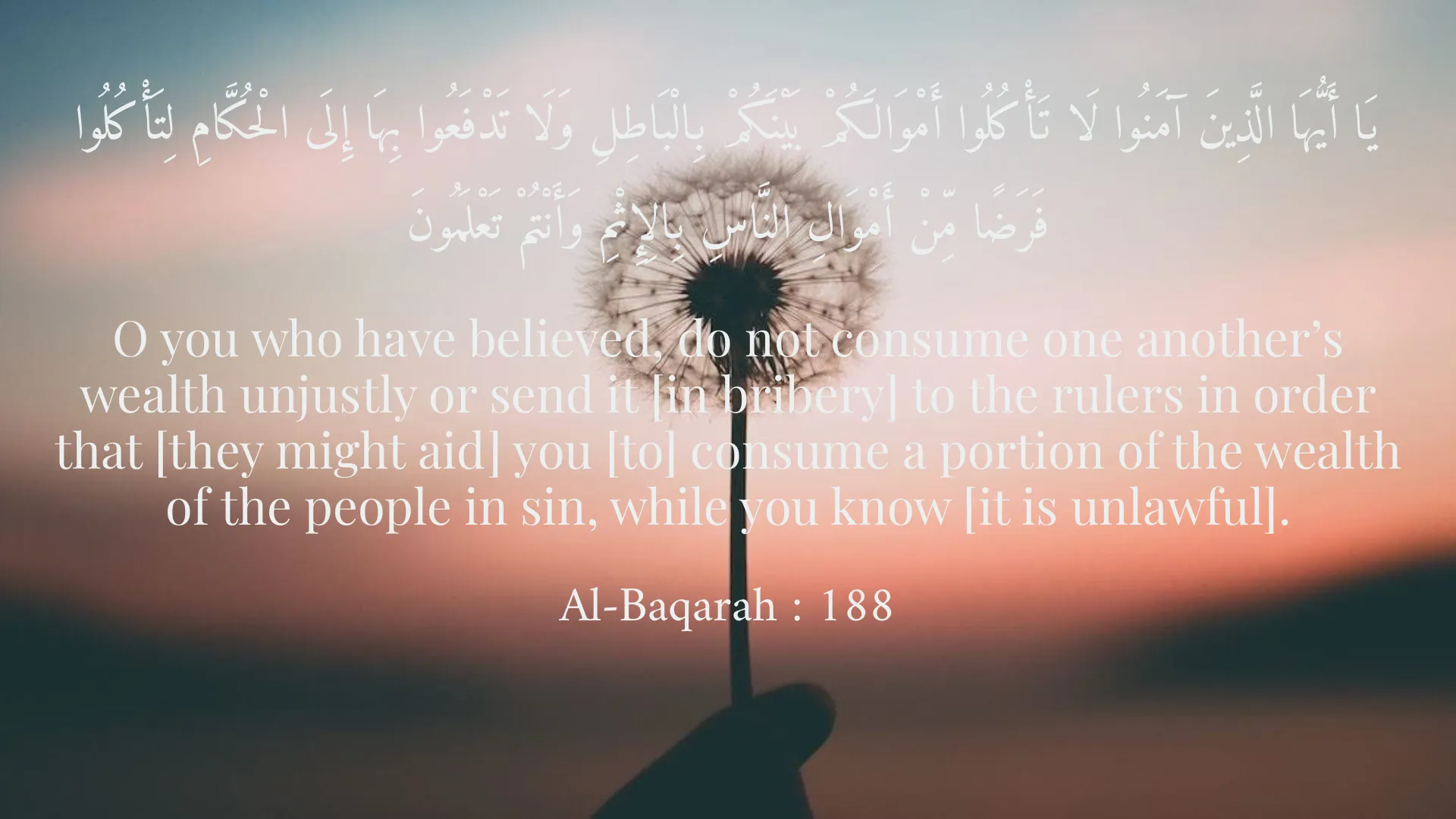
The Holy Quran, the central religious text of Islam, serves as a guide for millions of people around the world. One of the core themes present in the Quran is the emphasis on kindness and fairness in transactions. The divine guidance provided within its verses not only seeks to shape the moral character of individuals but also underscores the importance of social justice and ethical conduct within the economic domain. This article will delve into various Quranic verses that stress the significance of honesty, kindness, and fairness in financial dealings, ultimately highlighting their role in fostering a healthy, dynamic society. The Quran's emphasis on ethical transactions is evident in Surah Al-Baqarah, verse 188, where it clearly articulates, 'O you who have believed, do not consume one another’s wealth unjustly or send it [in bribery] to the rulers in order that [they might aid] you [to] consume a portion of the wealth of the people in sin, while you know [it is unlawful]' (2:188). This profound statement serves as both a warning and an admonition against the evils of greed and corruption. It poignantly advises believers against unjustly acquiring wealth and utilizing illicit means for personal gain. This verse emphasizes the essential values of honesty and integrity in trade and economic interactions. In a world where dishonesty often prevails, the Quran pulls believers back to a moral standpoint from which they should conduct themselves, underscoring the critical need for equity in financial transactions. Furthermore, the verse signals a broader and more profound urging for kindness toward others in all transactions, reminding individuals to be considerate of the rights of others in their economic activities. The guidance encapsulated in this verse is not limited to the mere avoidance of unethical practices but calls for an active engagement in promoting fairness and justice in all dealings. The call for justice in the Quran extends beyond mere economic transactions; it permeates the core of social interactions and relationships. In Surah Al-Maidah, verse 8, Allah advises believers to uphold justice persistently, stating, 'O you who have believed, be persistently standing firm in justice, witnesses in justice, even if it be against yourselves or your parents and relatives' (5:8). This verse commands believers to be unwavering in their pursuit of fairness and truth, even when doing so may lead to personal disadvantage or conflict, particularly when it involves family or those close to them. This divine exhortation speaks volumes about the significance of personal integrity and social responsibility. In a contemporary context, where biases and subjective judgments often overshadow truth and justice, this verse serves as a powerful reminder of the ethical obligations that individuals hold not only to their community but also to themselves. The Quran encourages believers to be courageous in their pursuit of truth, highlighting that even the most difficult of consequences should not deter an individual from standing for justice. In a similar vein, the Quran's directive in Surah Al-An’am, verse 152, further underscores the importance of fairness and the avoidance of fraud: 'And do not approach the orphan's property except in a way that is best until he reaches maturity. And fulfill [every] commitment. Indeed, the commitment is ever [that about which one will be] questioned' (6:152). This verse carries a weight of ethical responsibility, particularly regarding the vulnerable members of society, notably orphans. The injunction against encroaching upon an orphan's property without just cause exemplifies one of the Quran's powerful messages: the necessity of safeguarding the rights of the marginalized and ensuring their well-being. Moreover, fulfilling commitments and obligations, as noted in this verse, is of paramount importance. The Quran clearly states that individuals will be held accountable for the promises they make, thus cultivating a culture of trustworthiness and reliability. The connection between trust and economic prosperity cannot be overstated; when individuals honor their commitments, it fosters an environment conducive to mutual respect and understanding, vital for any thriving community. Ultimately, the Holy Quran's emphasis on kindness, honesty, and fairness in transactions is not merely a set of rules but rather a framework designed to foster a strong moral foundation within society. The collective adherence to these principles can pave the way for ethical dealings that benefit all members of the community, thereby creating an atmosphere of trust that enables peace and harmony. By prioritizing justice and fairness in economic transactions, individuals can help cultivate a dynamic society where mutual respect and dignity reign supreme. In addition to fulfilling religious obligations, the moral teachings of the Quran have profound implications for contemporary economic practices. As societies grapple with issues such as corruption, inequality, and exploitation, the profound teachings enshrined within the Quran can serve as valuable contemporary ethical guidelines. The Quran's insistence on fairness in transactions speaks directly to the heart of contemporary concerns regarding economic justice and collectivism. Workplaces and economic environments become increasingly just and equitable only when individuals embody the Quranic values of trust, kindness, and responsibility. In conclusion, the Quran serves as a vital guide for believers, encouraging them to engage in fair, honest, and kind behavior in all transactions. Through the verses discussed above, it is clear that promoting fairness is essential for social cohesion and mutual respect among individuals. In a world where ethical challenges often arise within economic interactions, the teachings of the Quran stand as a timeless reminder that investing in honesty, kindness, and fairness is paramount to building a healthy, dynamic society where all can thrive.
Related Verses
يَا أَيُّهَا الَّذِينَ آمَنُوا لَا تَأْكُلُوا أَمْوَالَكُمْ بَيْنَكُمْ بِالْبَاطِلِ وَلَا تَدْفَعُوا بِهَا إِلَى الْحُكَّامِ لِتَأْكُلُوا فَرَضًا مِّنْ أَمْوَالِ النَّاسِ بِالِإِثْمِ وَأَنْتُمْ تَعْلَمُونَ
O you who have believed, do not consume one another’s wealth unjustly or send it [in bribery] to the rulers in order that [they might aid] you [to] consume a portion of the wealth of the people in sin, while you know [it is unlawful].
Al-Baqarah : 188
يَا أَيُّهَا الَّذِينَ آمَنُوا كُونُوا قَوَّامِينَ لِلَّهِ شُهَدَاءَ بِالْقِسْطِ وَلَوْ عَلَى أَنفُسِكُمْ أَوِ الْوَالِدَيْنِ وَالْأَقْرَبِينَ
O you who have believed, be persistently standing firm in justice, witnesses in justice, even if it be against yourselves or your parents and relatives.
Al-Maidah : 8
وَلَا تَقْرَبُوا مَالَ الْيَتِيمِ إِلَّا بِالَّتِي هِيَ أَحْسَنُ حَتَّى يَبْلُغَ أَشُدَّهُ
And do not approach the orphan's property except in a way that is best until he reaches maturity.
Al-An'am : 152
Short Story
One day, Ali encountered a seller in the market who was trying to charge him an inflated price. Remembering the Quranic verses about fairness, Ali decided to negotiate with kindness and honesty. He treated the seller with respect and, after a fair conversation, reached an amicable agreement. Ali's approach not only satisfied him but also earned the seller's appreciation, leading to a newfound friendship between them. Thus, Ali demonstrated that a good transaction based on fairness and honesty can foster positive relationships.