Quranic Answer
The Holy Quran, regarded as the final revelation of Allah to mankind, serves as a comprehensive guide for believers, addressing various aspects of life, morality, and the profound significance of the afterlife. One of the most poignant themes the Quran repeatedly emphasizes is the concept of death and the reality of the afterlife. Death, in Islamic belief, is not seen as an end, but rather as a transition to a different, eternal existence. The Quran implores its readers to remember death, not as a bleak end, but as a necessary part of existence that shapes how we live our lives today. The need to reflect on death is acutely articulated in Surah Luqman, verse 34, where Allah asserts, 'Indeed, Allah has knowledge of the Hour.' This verse starkly underscores an essential truth: the precise moment of death is known only to Allah, and is a reminder of the uncertainties we face in life. While modern society often focuses on material achievements and future aspirations, the Quran encourages a balance by prompting individuals to consider the inevitable reality of mortality. It inspires us to determine the value of our actions by evaluating them in light of our mortality. In Surah Al-Imran, verse 185, Allah states, 'And how many are the souls that die without the permission of Allah?' This poignant reflection brings to light the divine decree surrounding death. Every soul must taste death, and no one will leave this world without the permission of their Creator. This knowledge serves to awaken a deep sense of accountability in our hearts. How do we choose to live our lives knowing that our time is limited? Do we prioritize our spiritual development over fleeting worldly desires? The Quran’s contemplation on death is not merely an admonition towards piety; it is also a catalyst for personal reflection and self-evaluation. The remembrance of death, or Dhikr al-Mawt, is a practice encouraged within Islam that helps believers steer clear of negligence. By acknowledging the transient nature of worldly life, we are called to prioritize our actions and ensure they align with Allah's commandments. The Quran invites believers to cultivate a sense of urgency in performing good deeds, establishing prayers, and helping others, as these acts are the keys that unlock a rewarding afterlife. Moreover, Surah Al-Anfal, verse 28 states, 'And know that your properties and your children are but a trial.' This verse encapsulates the essence of worldly temptations and the trials that each person faces in life. The verse urges believers to remember that ultimately, their wealth and familial ties will not accompany them into the afterlife; they are, in essence, tests from Allah. The relationships, assets, and possessions we often cherish are temporary, and it is crucial to evaluate how they fit into our spiritual journey. This serves as a powerful reminder that true wealth lies in our good deeds and proximity to Allah, rather than the material riches we accumulate on earth. The remembrance of death serves to awaken our conscience and keeps us aligned with our true purpose. It directs us towards righteousness and ethical living. It nudges us away from being ensnared by desires that distract from our spiritual goals and invites us to take deliberate actions that foster a life rich with meaning and spirituality. In a world rife with distractions - be it societal status, wealth accumulation, or personal accolades - the Quran's focus on the afterlife serves as an essential guide to navigate through the chaos of modern existence. In light of the aforementioned verses, it is imperative for individuals to regularly contemplate the significance of death and the afterlife in their daily lives. Incorporating this reminder into our routines can redefine our priorities and catalyze personal growth. The belief that every action has consequences in the hereafter should encourage individuals to foster kindness, engage in community service, and pursue knowledge. As we strive to live our lives in accordance with the teachings of the Quran, we must remind ourselves that death is not something to fear; rather, it is an integral part of our journey that leads us to be accountable for our creations in this world. Ultimately, the Holy Quran, through its frequent reminders about death and the afterlife, encourages believers to focus on living lives that reflect their values and deepen their relationship with Allah. It calls upon us to transcend worldly distractions and desires, drawing closer to our Creator through righteous actions and faith. This deep-seated understanding that life is ephemeral, yet the afterlife is everlasting, should serve as a source of inspiration for us all. Let us not squander our time on trivial pursuits, but instead, let the reminders of death spur us on our righteous path towards a life embedded with purpose and faith.
Related Verses
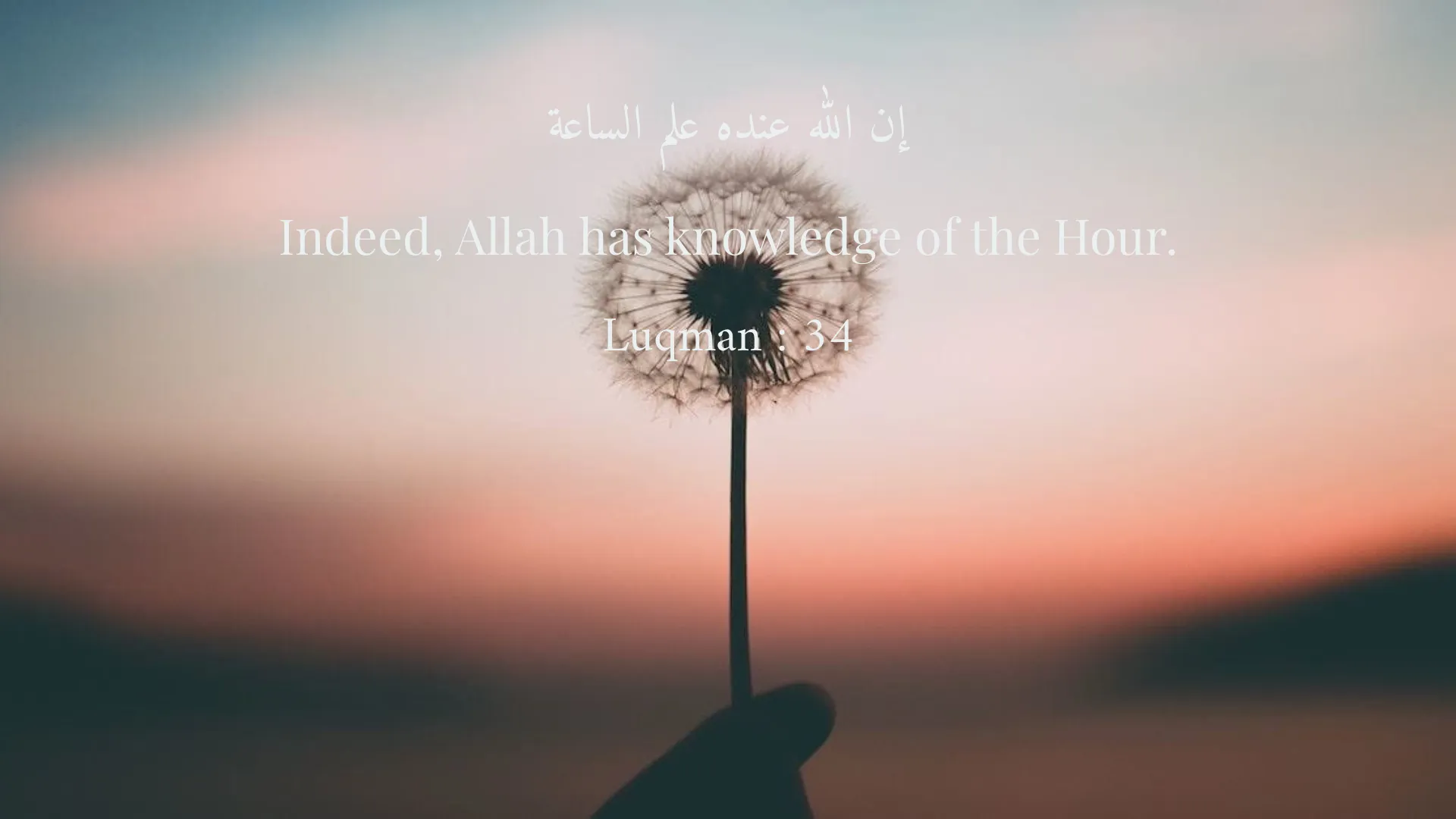
إن الله عنده علم الساعة
Indeed, Allah has knowledge of the Hour.
Luqman : 34
وَكَأَيِّن مِّن نَّفْسٍ مَّاتَتٍ بِغَيْرِ إِذْنِ اللَّهِ
And how many are the souls that die without the permission of Allah?
Al-Imran : 185
وَاعْلَمُوا أَنَّمَا أَمْوَالُكُمْ وَأَوْلَادُكُمْ فِتْنَةٌ
And know that your properties and your children are but a trial.
Al-Anfal : 28
Short Story
One day, a young man named Hamid was sitting with his friends, discussing his future life. He was always preoccupied with enjoying life and having fun. Suddenly, one of his friends said: 'Do you remember that the Quran talks about death?' This statement made Hamid reflect. Upon reading the verses of the Quran, he realized that life is temporary, and remembering death guided him towards faith and a righteous life.