Quranic Answer
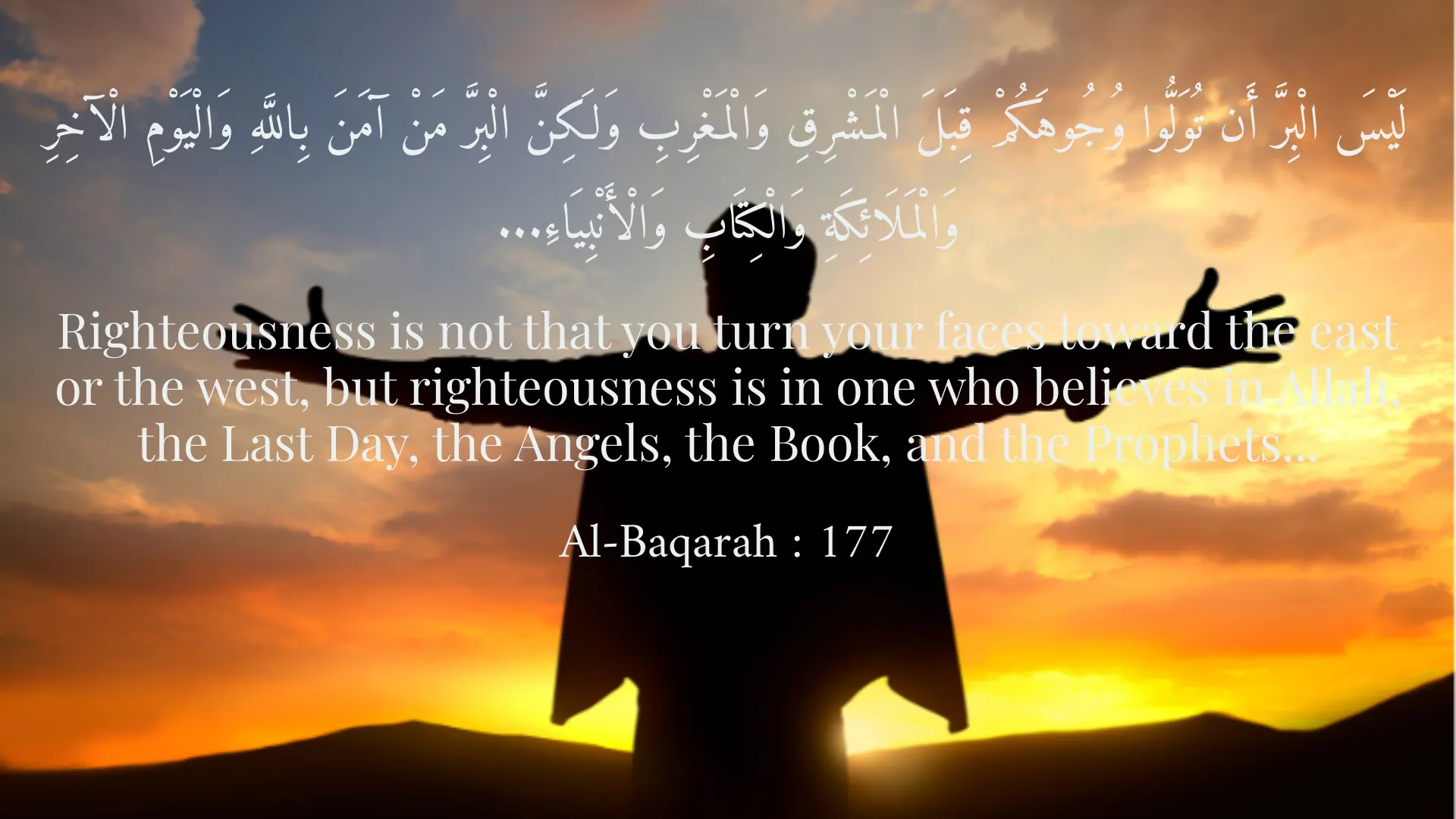
The mercy of God is universally recognized as one of the most profound blessings that any human being can aspire to receive. It transcends all boundaries of time and space and reinforces the understanding that there is an ever-present hope for humanity, regardless of one's transgressions or failings. Many scriptures, particularly the Quran, delineate numerous pathways through which individuals can seek and attain God's mercy. Exploration of these avenues not only provides divine hope but also instills a sense of moral and spiritual responsibility amongst the faithful. In Islamic teachings, two essential components underscore the attainment of God's mercy: piety and the fear of God. Piety and fear of God form the foundation upon which believers can strive to invoke the divine grace. This assertion is prominently echoed in Surah Al-Baqarah, verse 177, which reads: 'Righteousness is not that you turn your faces toward the east or the west, but righteousness is in one who believes in Allah, the Last Day, the Angels, the Book, and the Prophets...' This verse confirms that righteous conduct is measured not by mere ritualistic behaviors, but by the depth of one's belief and the ensuing actions that stem from this belief. It beckons believers to cultivate their faith sincerely, prompting them to embrace moral virtues and live a life aligned with the tenets of Islam. Furthermore, the concept of mercy is also intricately linked to goodness and the proactive pursuit of righteousness. In Surah Al-Imran, verse 133, Allah emphasizes: 'And hasten to the forgiveness of your Lord and a garden as wide as the heavens and the earth.' This encapsulates the urgency with which believers should seek forgiveness and strive for goodness, reflecting that God's mercy is not distant; rather, it is attainable if one actively seeks it out. These verses depict that faith, kindness, and virtuous deeds are quintessential attributes that attract divine mercy. As believers, we must approach God with sincere intentions and righteous actions to nurture our souls on the path of spiritual fulfillment. To further deepen the connection with the divine, one must also comprehend the importance of reliance on God complemented by the performance of obligatory acts, all while steering clear of sinful behavior. In Surah Al-Mu'minun, verse 60, it states: 'And those who hope for Our mercy are among the successful.' This scripture reassures believers that hope in God's mercy is foundational to one's success in both spiritual and worldly matters. It necessitates an understanding that failure to uphold our spiritual commitments impedes our journey towards divine mercy. Thus, ingraining a sense of accountability in one's faith plays a vital role in realizing God's grace. Moreover, the act of remembering and invoking God actively draws individuals nearer to His mercy. Daily prayers, supplications, and remembrances serve as an acknowledgment of God's omnipotence and reinforce the believer's devotion. Through these practices, individuals are reminded of their purpose and, in turn, develop a longing for divine forgiveness and mercy. The significance of remembrance cannot be understated, as it serves to align the heart and soul towards a path of transcendent understanding, ultimately leading to a deeper connection with God. In the journey of seeking God’s mercy, repentance stands as one of the most critical elements. The Quran eloquently elucidates this in Surah Az-Zumar, verse 53: 'Say, O My servants who have believed, fear your Lord. For those who do good in this world is good, and the earth of Allah is spacious. Indeed, the patient will be given their reward without account.' The importance of repentance lies in the acknowledgment of one's shortcomings and the heartfelt intention to return to God, seeking His mercy in humility. The verse reminds believers that the door to repentance is always open, encouraging them not to lose hope regardless of their past sins. Through genuine repentance and consistent righteous deeds, the pathway to attaining God's mercy becomes clear. It navigates the believer towards a realm of spiritual rejuvenation and divine connection, allowing one to bathe in the endless ocean of God's compassion. As such, the pursuit of mercy transforms an individual's life into a journey characterized by moral rectitude, profound spirituality, and unwavering hope. In conclusion, the mercy of God is a divine gift that is accessible to all who earnestly strive for it. The Quran serves as a guiding light, illuminating various pathways to connect with the divine and attain forgiveness. Through sincerity in faith, proactive righteousness, continuous remembrance, and heartfelt repentance, the faithful can navigate through life with the assurance of God's mercy. This eternal quest not only enriches the individual’s spiritual experience but also fosters a compassionate and empathetic community. The timeless message of mercy resonates through generations, reinforcing the vital notion that no one is beyond the reach of divine grace. In understanding and implementing these principles, believers can unlock the door to profound blessings and embark on a fulfilling spiritual journey toward the ultimate mercy of God.
Related Verses
لَيْسَ الْبِرَّ أَن تُوَلُّوا وُجُوهَكُمْ قِبَلَ الْمَشْرِقِ وَالْمَغْرِبِ وَلَكِنَّ الْبِرَّ مَنْ آمَنَ بِاللَّهِ وَالْيَوْمِ الْآخِرِ وَالْمَلَائِكَةِ وَالْكِتَابِ وَالْأَنْبِيَاءِ...
Righteousness is not that you turn your faces toward the east or the west, but righteousness is in one who believes in Allah, the Last Day, the Angels, the Book, and the Prophets...
Al-Baqarah : 177
وَسَارِعُوا إِلَى مَغْفِرَةٍ مِّن رَّبِّكُمْ وَجَنَّةٍ عَرْضُهَا السَّمَاوَاتُ وَالْأَرْضُ...
And hasten to the forgiveness of your Lord and a garden as wide as the heavens and the earth...
Al-Imran : 133
وَالَّذِينَ يَرْجُونَ رَحْمَتَنَا أُو۟لَـٰئِكَ هُمُ ٱلْمُفْلِحُونَ
And those who hope for Our mercy are among the successful.
Al-Mu'minun : 60
Short Story
One day, Adel pondered on how he could draw nearer to God's mercy. He decided to engage in acts of kindness and charity. Every day, he would give a portion of his bread to those in need. Soon, he felt his heart was happier than before, and blessings flowed into his life.