Quranic Answer
To be a true believer is an aspiration that many individuals hold dear. This profound concept extends far beyond mere verbal affirmations of faith. It requires a commitment to cultivating a deep, unwavering belief in God and the Day of Judgment. In essence, true belief encapsulates adherence to the principles laid out in the Quran, in addition to embodying the teachings and practices advocated by the Prophet Muhammad (peace be upon him). The Quran serves as a guiding light for millions of Muslims worldwide, offering wisdom and direction for this life and the hereafter. In Surah Al-Imran, verse 19, it is written, "Indeed, the religion in the sight of Allah is Islam." This crucial statement underscores a fundamental tenet of faith: that the path to genuine belief is through the practice of Islam. The term "Islam" itself signifies submission to God, which necessitates following the teachings of the Quran alongside the Sunnah. This collaboration of scripture and prophetic tradition forms the bedrock of Islamic teachings and provides a framework for individuals aspiring to be true believers. The Quran meticulously outlines the characteristics of true believers. For example, in Surah Al-Baqarah, verse 177, Allah delineates key attributes: one must believe not only in Allah and the Day of Judgment but also in angels, scriptures, and messengers. This comprehensive understanding of faith encapsulates its diverse elements while reinforcing the interconnectedness of belief and action. A true believer is expected to engage with their faith actively, translating belief into charitable actions, such as aiding the needy, supporting orphans, and providing for the less fortunate in society. Acts of kindness form an essential component of belief; they reflect a believer's commitment to manifesting compassion and empathy in their daily lives. Moreover, regular prayer performed with sincerity and humility is a fundamental practice that serves as a direct link between the believer and Allah. Prayer is not merely a set of physical movements or recitations; it is a profound expression of worship, creating a sense of connection and submission to the Creator. In addition to these practices, piety and consciousness of God (taqwa) are vital traits embodied by true believers. The significance of this quality is underscored in Surah Al-Imran, verse 102, where Allah commands, "O you who have believed, fear Allah as He should be feared and do not die except as Muslims." This exhortation emphasizes the importance of being aware of God's presence in one's life and striving to live a life that adheres to Islamic values and principles. Balancing fear of God with love and reverence is crucial for the believer, fostering a life marked by integrity, honesty, and righteousness. Yet, emotional and relational aspects of belief cannot be overlooked. The significance of love and maintaining good relationships with others forms an integral part of one's faith journey. Islam emphasizes the importance of community and social bonds; nurturing healthy relationships with family, friends, and even strangers reflects a believer's commitment to love and compassion. This interconnectedness promotes a sense of belonging while reinforcing moral and ethical responsibilities. Throughout the Quran, numerous verses encourage believers to engage with their communities positively, reminding them of their duties towards others. An exemplary illustration of this is found in the teachings of the Prophet Muhammad (peace be upon him), who espoused the virtues of kindness, patience, and empathy. Establishing a reputation as a reliable and trustworthy individual is essential for fostering enduring relationships, and being grounded in one's principles enhances this endeavor. Furthermore, gaining knowledge serves as a crucial avenue for personal growth and deepening one's faith. The pursuit of knowledge is highly regarded throughout Islamic teachings. It prepares believers to engage with the world thoughtfully and responsibly. Equipped with knowledge, believers can understand their religion more profoundly and apply its teachings to their daily lives. This investment in learning is not solely for personal gain; it enables believers to contribute effectively to their communities, promote goodness, and challenge injustices. Additionally, true believers seek continuous self-improvement and strive to rectify their flaws. This self-reflective journey is a significant aspect of being a believer. Moreover, it engenders qualities like humility, patience, and resilience. By acknowledging individual shortcomings and working towards improvement, believers not only enhance their own lives but also benefit those around them. The act of genuinely striving to become a better person is consistent with the essence of faith and reflects the aspiration to embody the principles of Islam fully. In conclusion, the path to being a true believer is multifaceted and deeply intricate. It extends beyond belief in God and the Day of Judgment to encompass a commitment to meaningful actions and ethical living rooted in the Quran and the teachings of the Prophet Muhammad (peace be upon him). True believers shape their lives around faith through compassion, charitable acts, adherence to prayers, and the cultivation of loving relationships. Ultimately, the pursuit of being a true believer is a lifelong journey, seeking to encompass knowledge, self-improvement, and dedication to God’s commands. Through their collective efforts, true believers work towards creating a better world, embodying the ideals of Islam, and fulfilling their roles as responsible members of society.
Related Verses
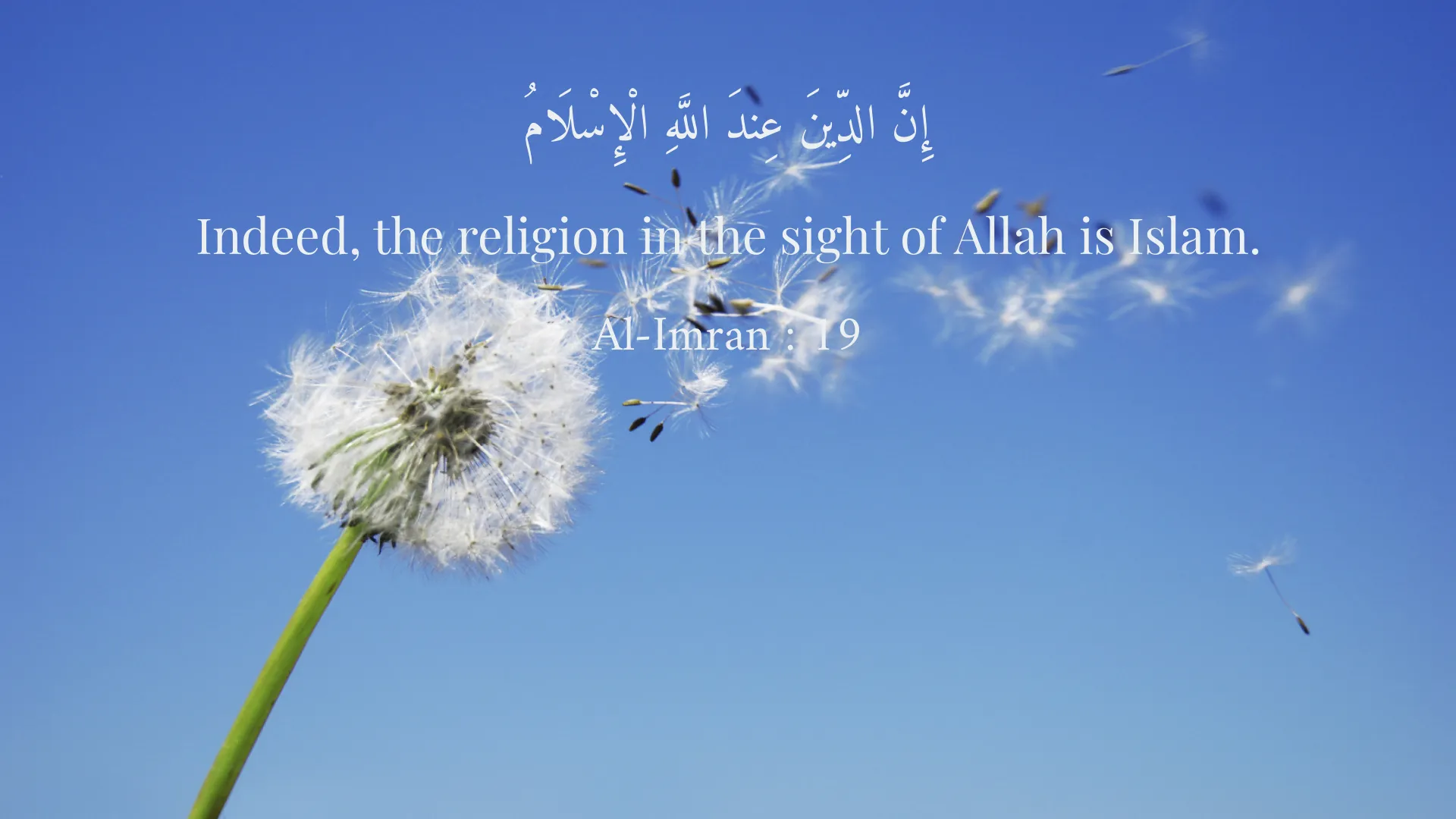
إِنَّ الدِّينَ عِندَ اللَّهِ الْإِسْلَامُ
Indeed, the religion in the sight of Allah is Islam.
Al-Imran : 19
لَيْسَ الْبِرَّ أَنْ تُوَلُّوا وُجُوهَكُمْ قِبَلَ الْمَشْرِقِ وَالْمَغْرِبِ وَلَكِنَّ الْبِرَّ مَنْ آمَنَ بِاللَّهِ وَالْيَوْمِ الْآخِرِ وَالْمَلَائِكَةِ وَالْكِتَابِ وَالنَّبِيِّينَ وَآتَى الْمَالَ عَلَى حُبِّهِ ذَوِي الْقُرْبَى وَالْيَتَامَى وَالْمَسَاكِينِ وَابْنَ السَّبِيلِ وَالسَّائِلِينَ وَفِي الرِّقَابِ وَأَقَامَ الصَّلَاةَ وَآتَى الزَّكَوٰةَ وَالْمُوفُونَ بِعَهْدِهِمْ إِذا عَاهَدُوا وَالصَّابِرِينَ فِي الْبَأْسَاءِ وَالْضَّرَّاءَ وَحِينَ الْبَأْسِ ۚ أُولَـٰئِكَ الَّذِينَ صَدَقُوا ۖ وَأُولَـٰئِكَ هُمُ الْمُتَّقُونَ
Righteousness is not that you turn your faces toward the east or the west, but [true] righteousness is in one who believes in Allah, the Last Day, the Angels, the Book, and the Prophets and gives his wealth, in spite of love for it, to relatives, orphans, the needy, the traveler, those who ask [for help], and for freeing slaves; and [who] establishes prayer and gives zakah; [those who fulfill their promise when they promise] and [those who are] patient in poverty and hardship and during battle. Those are the ones who have been true, and it is those who are the righteous.
Al-Baqarah : 177
يَا أَيُّهَا الَّذِينَ آمَنُوا اتَّقُوا اللَّهَ حَقَّ تُقَاتِهِ وَلا تَمُوتُنَّ إِلَّا وَأَنتُم مُّسْلِمُونَ
O you who have believed, fear Allah as He should be feared and do not die except as Muslims.
Al-Imran : 102
Short Story
One day, Adel pondered how he could become a true believer. He realized that by having faith in God and doing good deeds, he could walk this path. He decided to dedicate a little time each day to prayer and supplication. He also connected with a friend who helped the needy, encouraging him to be charitable. As he reflected on the verses of the Quran, Adel began to feel peace and happiness in his life, thus becoming a true believer.