Quranic Answer
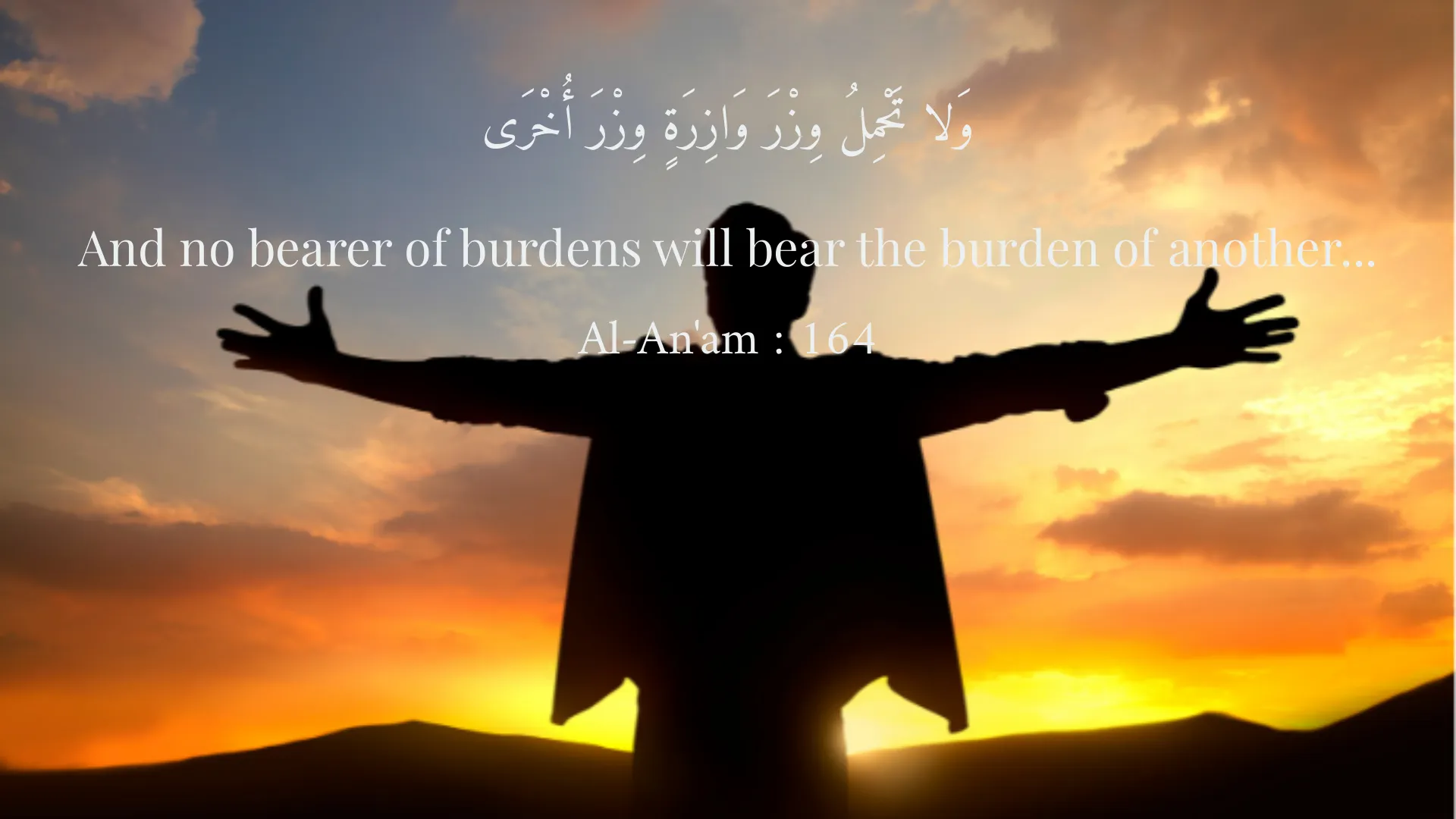
Believing in God's justice is not only a critical aspect of faith but also serves as a source of hope and comfort for millions of believers around the world. The concept of divine justice is woven into the very fabric of religious texts, particularly in the Holy Quran, where it is emphasized repeatedly. The Quran presents an image of God as a just and merciful being who ensures that every individual is treated fairly, thus reinforcing the belief that one’s actions directly impact their standing in the afterlife. One significant verse that encapsulates this belief is found in Surah Al-An'am, verse 164: 'And no bearer of burdens will bear the burden of another...' This profound statement suggests that each person is responsible for their own actions and decisions. It comforts the believer by assuring them that God's justice is not arbitrary; rather, it is meticulously calculated, allowing each individual to be judged based solely on their conduct and choices. The idea that one will not be made to answer for the sins of another is an essential component of Islamic theology, bringing clarity to the conception of justice and underscoring the values of personal responsibility and accountability. Furthermore, Surah An-Nisa, verse 40 states: 'Indeed, Allah does not do injustice, [even] as much as an atom's weight; while a person is rewarded with what he has earned.' This verse illustrates another layer of divine justice, indicating that even the smallest good deed is recognized and rewarded by God. The meticulous nature of divine justice means that no act, however small, escapes notice. This grants believers the assurance that their sincere efforts in life, regardless of their magnitude, will lead to recompense in the afterlife. To strengthen our belief in God’s justice, it may be beneficial to engage in reflection on the creation and the divine order of the universe. The seemingly chaotic nature of life can often challenge our faith and understanding of justice; however, when one observes the intricate balance and order present in nature—the cycle of life, the laws of physics, and the harmony of ecosystems—a profound realization emerges. This complexity and precision suggest a higher intelligence at work, reinforcing the concept that life and justice are governed by a divine order. Acknowledging the wonders of creation can deepen our understanding of God’s attributes and encourage us to trust in His fairness in administering justice. Moreover, engaging in supplication (dua) and prayers allows believers to communicate their thoughts and seek divine mercy and guidance in their lives. It is through these spiritual practices that one can attain a deeper understanding of God’s justice. Such acts can serve as a form of solace during challenging times, allowing believers to connect with their faith and seek comfort in the knowledge that God is aware of their struggles and will administer justice in His perfect timing. This reliance on prayer also emphasizes the importance of divine mercy which complements justice, as God is portrayed not just as a judge, but as a compassionate and forgiving being who understands human nature. In addition, the belief that life itself is a test is another significant aspect of understanding God’s justice. Each person’s life is seen as a series of challenges and trials tailored to their unique circumstances, faith, and actions. This perspective invites believers to view their struggles as opportunities for growth rather than as arbitrary sufferings. Everyone is tested according to their capacity, thus ensuring that justice is inherent in the trials each person faces. By adopting this mindset, believers can find meaning in adversity and draw closer to God, further reinforcing their conviction in His justice. It is also worth considering the social implications of believing in God's justice. When individuals internalize the teachings of justice from their faith, they are inclined to uphold these values in their lives, promoting fairness and equity in their interactions with others. The belief in divine justice can inspire believers to advocate for justice in society, pushing back against injustices and striving to create a world that reflects divine principles. This activism is not just a personal endeavor but can lead to collective movements that challenge oppression and inequality, inspired by the divine teachings that emphasize fairness and justice. In conclusion, the belief in God’s justice is a multi-faceted concept that encompasses personal responsibility, the beauty of creation, the power of prayer, and the acknowledgment of life’s trials as tests tailored to each individual's capabilities. The Quranic verses offer profound insights that confirm God’s unwavering commitment to justice, which serves to reassure believers of His fairness in both this life and the afterlife. As this belief is reflected in one’s actions and attitudes, it has the potential to inspire a broader societal commitment to equity and compassion. Ultimately, embracing the belief in divine justice can guide individuals toward a more meaningful and fulfilling life, rooted in faith and driven by an unwavering trust in God’s plan.
Related Verses
وَلا تَحْمِلُ وِزْرَ وَازِرَةٍ وِزْرَ أُخْرَى
And no bearer of burdens will bear the burden of another...
Al-An'am : 164
إن الله لا يظلم مثل ذرة
Indeed, Allah does not do injustice, [even] as much as an atom's weight.
An-Nisa : 40
Short Story
One day, a man was sitting by a river, contemplating his life. He had concerns about God's justice and felt that some unjust people lived easily. Suddenly, he heard a strange sound from the water. He turned towards the sound and saw rowers passing through the water, enduring their hardships every day. The man approached one of the rowers and asked, "Don't you want a better life?" The rower smiled and replied, "Life will never be fully fair, but we are obliged to show our best performance. God has placed justice in our hearts, and we must follow it." The man felt relieved and realized that God's justice flowed through every detail of his life.