Quranic Answer
Earning halal sustenance is indeed an essential principle in Islamic life, one that intertwines deeply with the beliefs and practices of Muslims around the world. The concept of halal, meaning permissible, extends beyond mere dietary restrictions to encompass every aspect of life, including how one earns their livelihood. In Islam, acquiring halal income is not just encouraged; it is considered a form of worship. This is reflected in numerous verses of the Holy Quran, which stresses the importance of engaging in righteous endeavors while earning a living. One of the most pivotal verses regarding the pursuit of halal income is found in Surah Al-Baqarah, verse 2: "Those who believe in the unseen, establish prayer, and spend out of what We have provided for them." This verse elucidates the core tenets of a believer's faith: belief in the unseen, establishing prayer, and using their resources for charitable purposes. These actions are not just moral imperatives but are integral to the fabric of a Muslim’s life. The phrase 'spend out of what We have provided for them' serves as a reminder that everything a person has is ultimately granted by Allah. Hence, it is essential for Muslims to use their wealth benevolently and in ways that please Allah and uplift society. To achieve halal sustenance, individuals must engage in lawful strategies, such as honest work and trade. The importance of ethical business practices cannot be overstated in Islamic teachings. For instance, Imam Ali (AS), a revered figure in Islam, articulated that "working and striving for halal sustenance is better than worship." This profound statement indicates that engaging in labor and actively seeking a lawful livelihood is not merely a mundane task but is regarded as an honorable pursuit that holds significant spiritual merit. In contexts where individuals might feel their work is solely to provide for themselves and their families, waiting for divine blessings, Imam Ali's words remind them that active engagement in good work is, in and of itself, a form of devotion. Furthermore, the relationship between sustenance and divinity is articulated in Surah Al-Ma'idah, verse 88, where Allah commands, "And eat of what Allah has provided for you, and fear Allah in whom you are believers." Here, the importance of consuming only what is halal is reiterated, emphasizing that the spiritual dimension must accompany physical sustenance. Believers are entrusted not just with the act of eating but with the moral responsibility of ensuring that their sources of income and sustenance are free from deception, harm, and deceit. Such a consciousness in financial dealings fosters not just individual morality but contributes positively to collective societal ethics. While it is paramount to earn halal, it is equally important to turn towards prayer and seek forgiveness. This dual approach nurtures not only one’s material wellbeing but also spiritual growth. Surah Ghafir, verse 54 resonates with this sentiment: "Call upon Me; I will respond to you." This verse serves as a reminder that maintaining a close connection with Allah can significantly enhance the blessings in one's sustenance. In times of difficulty or uncertainty, believers are encouraged to turn to prayer, seeking Allah’s assistance. This reliance on divine support emphasizes the integration of faith in daily life and the sustenance one seeks. It reflects a broader understanding that human efforts must be complemented by divine mercy and guidance. Moreover, the ethical dimensions of halal sustenance extend to various aspects of trade and commerce. In today’s fast-paced economic environment, it is easy to overlook ethical practices in pursuit of profit. However, Muslims are called to be mindful of their intentions and the methods by which they amass wealth. Transactions tainted with dishonesty, fraud, or exploitation violate the principles of halal sustenance and can lead to disastrous consequences not only in this life but in the hereafter as well. The significance of seeking halal provisions cannot be overstated, especially in an era where the lines often blur between ethical and unethical practices. Suspicious transactions or dealings that capitalize on the vulnerability of others should always be avoided. Instead, individuals are encouraged to pursue ventures that have transparency, fairness, and equity at their core. Establishing such standards in personal and communal spaces cultivates an environment where everyone thrives collectively. Furthermore, it's crucial to recognize the role of community and collective action in attaining and promoting halal sustenance. The Islamic principle of communal support reminds individuals that earning halal is not just a personal affair but a collective mission. By supporting local economies, nurturing fair trade practices, and creating networks of ethical businesses, Muslims can help create an ecosystem where halal provisions are the norm rather than the exception. In conclusion, earning halal sustenance encapsulates a vast and intricate tapestry woven with threads of faith, ethical conduct, community involvement, and divine guidance. It is a principle that transcends mere financial transactions, delving deeper into the realms of spirituality, morality, and communal responsibility. As Muslims navigate their professional and personal lives, reflecting on the teachings of the Quran, the example of the Prophet Muhammad (PBUH), and the wisdom of leaders like Imam Ali (AS) can guide them in achieving a life that is pleasing to Allah. Therefore, pursuing halal sustenance should not be viewed merely as a duty, but a profound opportunity to express one’s faith through action, fostering both spiritual and material prosperity in accordance with divine guidance.
Related Verses
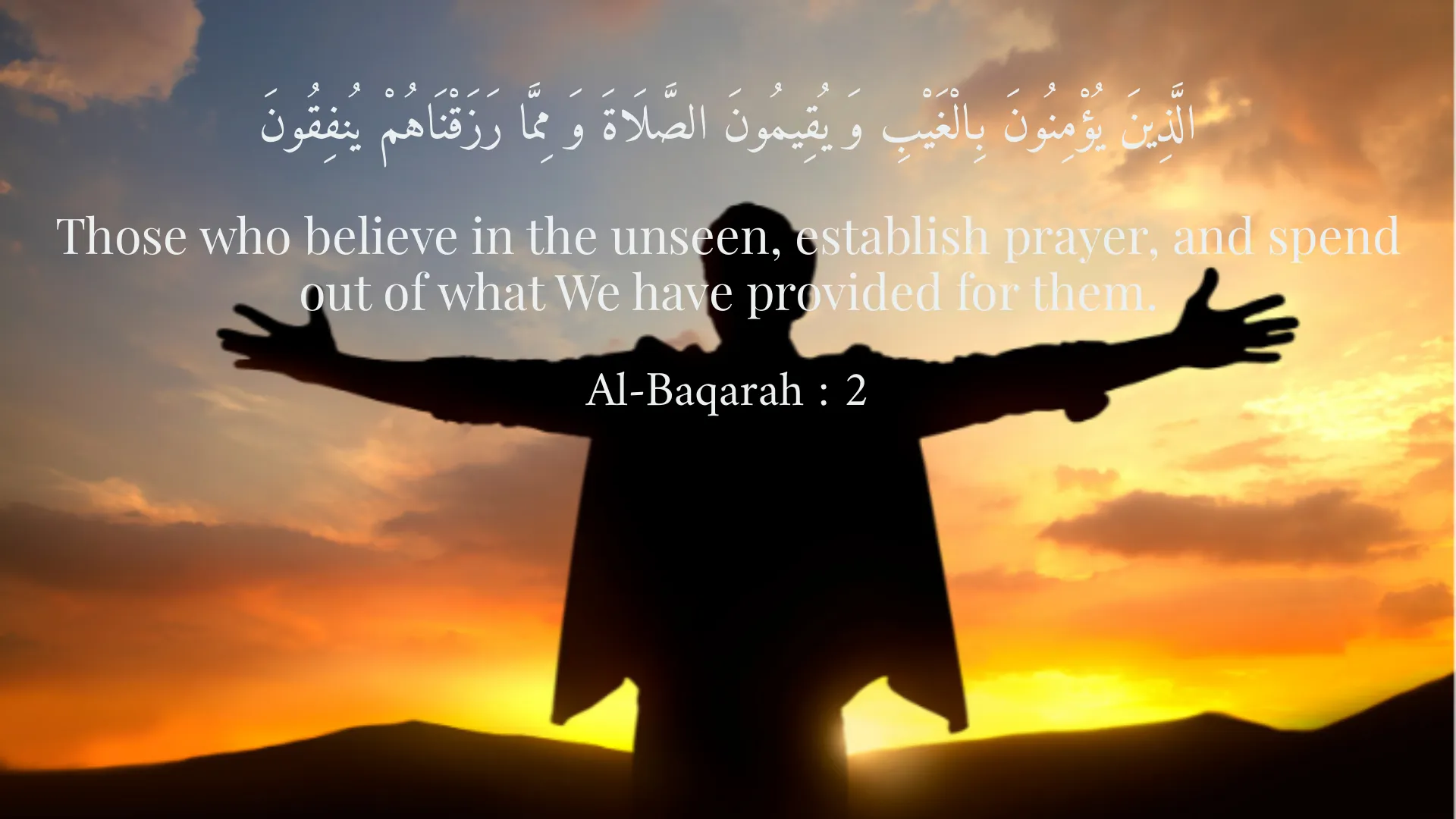
الَّذِينَ يُؤْمِنُونَ بِالْغَيْبِ وَ يُقِيمُونَ الصَّلَاةَ وَ مِمَّا رَزَقْنَاهُمْ يُنفِقُونَ
Those who believe in the unseen, establish prayer, and spend out of what We have provided for them.
Al-Baqarah : 2
وَ كُلُوا مِمَّا أَحَلَّ اللَّهُ لَكُمْ وَ اتَّقُوا اللَّهَ الَّذِي أَنتُم بِهِ مُؤْمِنُونَ
And eat of what Allah has provided for you, and fear Allah in whom you are believers.
Al-Ma'idah : 88
فَادْعُونِي أَسْتَجِبْ لَكُمْ
Call upon Me; I will respond to you.
Ghafir : 54
Short Story
One day, a man named Hassan sat in the market pondering how he could earn halal sustenance. In this moment, he recalled a verse from the Quran that reminded him he should seek income through honest means. He decided to pursue sewing, where he could work wholeheartedly while maintaining a close connection with Allah. Day by day, Hassan became more successful, noticing the blessings in his work.