Quranic Answer
Understanding whether the path I am on is God's path or not requires a nuanced approach that incorporates various teachings from the Quran. The Quran serves as a guidance for millions of believers around the world, providing a framework not only for worship but also for everyday living. By closely examining key verses and their implications, we can attain a deeper understanding of our journey through life and ensure that we remain aligned with God's will. First and foremost, the essence of determining whether we are on a divine path lies in establishing criteria that align our choices with the teachings of Islam. Surah Al-Imran, verse 102 emphasizes this point succinctly: 'O you who have believed, fear Allah as He should be feared and do not die except as Muslims.' This verse urges believers to live in a state of mindfulness and spiritual awareness, known as Taqwa or divine piety. It suggests that our lives must be a representation of our faith and commitment to God. In practical terms, this entails cultivating a life based on integrity, honesty, and accountability in all spheres—personal, social, financial, and spiritual. The deployment of such criteria ensures that decisions made every day reflect Allah's commandments rather than mere whims or societal pressures. The second significant factor in understanding whether we are traversing the path ordained by God is our attentiveness to divine signs evident in our life’s journey. This is beautifully encapsulated in Surah Al-Baqarah, verse 177, where it articulates: 'Righteousness is not that you turn your faces toward the east or the west, but [true] righteousness is in one who believes in Allah and the Last Day.' This verse serves to highlight the misconception that religious practice can be reduced to superficial displays or merely following rituals, while neglecting the vital inner components of belief and righteous action. Righteousness, as defined here, transcends geographical direction or external appearances. It is about a profound and sincere relationship with God, rooted deeply in faith and followed by appropriate, good deeds. The verse encourages believers to evaluate their actions through the lens of faith, asking if what they do aligns with God’s commandments and contributes to an ethical and moral society. This assessment can act as a barometer for determining if one is on the right path; if actions resonate with divine principles and lead to personal and communal growth, then one can be assured of walking on the correct path. As we delve deeper into understanding the parameters of God’s path, we discover the importance of nurturing faith in subsequent generations. In Surah At-Tur, verse 21, it is stated: 'And those who believed and their descendants followed them in faith - We will join with them their descendants.' Here, the Quran emphasizes the collective responsibility that lies with believers toward their families and loved ones. Encouraging your progeny to adhere to divine guidelines is not merely a matter of sharing knowledge; it is a deeply entrenched duty, a legacy of belief that must be nurtured through teaching, mentoring, and living an exemplary life. The essence of this verse encourages us to create an environment where faith can flourish, and where the next generation is equipped with not just knowledge, but the wisdom and character to embody that knowledge. This process includes instilling values such as kindness, generosity, and responsibility, reinforcing that actions dictate one’s character, leading to a future that is in harmony with God’s teachings. If we strive to cultivate this spirit within our descendants, we solidify our position on God's path. In conclusion, understanding whether we are on God's path involves a multifaceted approach that incorporates divine piety (Taqwa), sincerity in belief, righteous action, and fostering faith in our descendants. Life will present challenges and ambiguities, but if we anchor ourselves in these principles and embrace the teachings of the Quran, we can navigate our life’s journey with confidence, knowing we are aligned with divine guidance. When one genuinely pays attention to these aspects—Taqwa, signs from God, and the nurturing of the next generation—they find a comprehensive template for leading a life that is not only personally fulfilling but also pleasing to God. This path may be challenging, but it is ultimately the most rewarding.
Related Verses
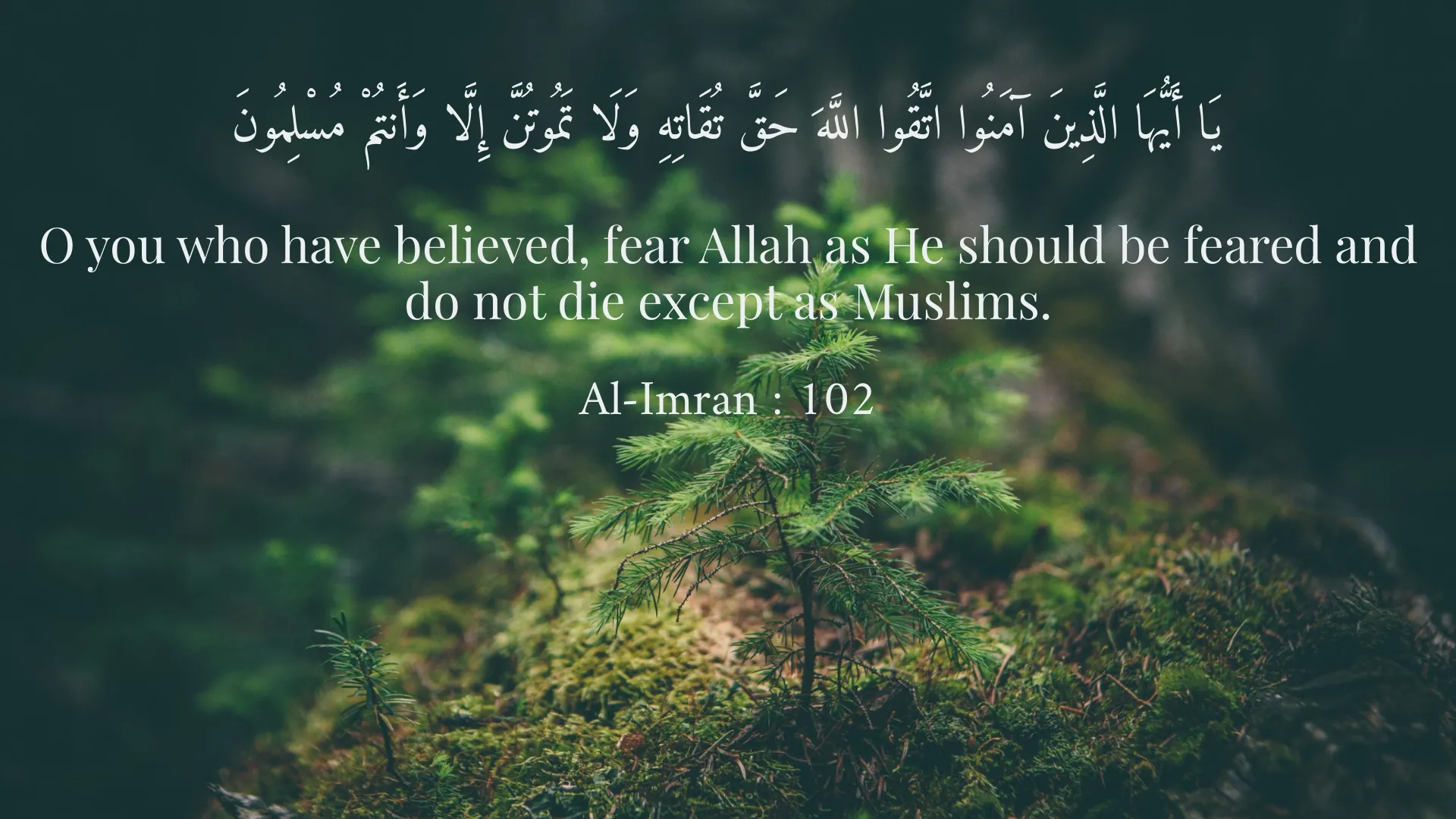
يَا أَيُّهَا الَّذِينَ آمَنُوا اتَّقُوا اللَّهَ حَقَّ تُقَاتِهِ وَلَا تَمُوتُنَّ إِلَّا وَأَنتُمْ مُسْلِمُونَ
O you who have believed, fear Allah as He should be feared and do not die except as Muslims.
Al-Imran : 102
لَيْسَ الْبِرَّ أَنْ تَوَلُّوا وَجْهَكُمْ قِبَلَ الْمَشْرِقِ وَالْمَغْرِبِ وَلَكِنَّ الْبِرَّ مَنْ آمَنَ بِاللَّهِ وَالْيَوْمِ الْآخِرِ
Righteousness is not that you turn your faces toward the east or the west, but [true] righteousness is in one who believes in Allah and the Last Day.
Al-Baqarah : 177
وَالَّذِينَ آمَنُوا وَتَتَبَعَتْهُمْ ذُرِّيَّتُهُمْ بِإِيمَانٍ أَلْحَقْنَا بِهِمْ ذُرِّيَّتَهُمْ
And those who believed and their descendants followed them in faith - We will join with them their descendants.
At-Tur : 21
Short Story
One day, a boy named Hasan sat in his father's garden, pondering about his life. He realized that to find the right path, he needed to refer to the Quran and discover its profound verses. Hasan decided to live a life of piety and focus on his religious duties. He respected his parents and made a commitment to guide his offspring towards God. After a while, he found a sense of satisfaction and peace in his heart.