Quranic Answer
Prayer, known as Salah in Arabic, is one of the fundamental pillars of Islam and serves as a crucial link between a believer and God Almighty. For Muslims, it is more than just a set of rituals. It encapsulates dimensions of spirituality, community, discipline, and most importantly, a connection with the Supreme Being. This connection is inherently profound, as prayer is often perceived as a direct line of communication with God. Establishing this bond requires the practitioner to embody intention, focus, and sincerity, which ultimately leads to the fulfillment of one's duties as a devout Muslim. To pray with love and affection, the first and foremost step is to have the right intention. This is known as Niyyah in Arabic, which refers to the inner resolve or intention to perform an act of worship for the sake of pleasing God. The importance of intention is highlighted in various teachings of the Prophet Muhammad (peace be upon him), emphasizing that actions are judged by intentions. Thus, if one wishes to embody a heartfelt connection during prayer, it is essential to center one's thoughts on Allah and strive for His pleasure without ulterior motives. Reflecting on the Quran during prayer is crucial for enhancing spiritual connection. The Quran is not just a scripture; it is a living testament that guides Muslims toward righteousness and peace. Surah Al-Imran, verse 19 mentions: 'Indeed, the religion in the sight of Allah is Islam.' This verse encapsulates the essence of obedience and submission to God's will. Understanding and respecting this religion should be our priority as faithful individuals. Therefore, immersing oneself in the meaning of the verses, especially during Salah, allows us to transcend beyond the physical act of worship and engage our hearts and minds in a holy dialogue with our Creator. Moreover, the Quran is filled with radiant verses that contain boundless wisdom, guidance, and comfort for the soul. Each verse illuminates aspects of life and spirituality, drawing believers closer to God. Thus, it is important to approach the Quran with a heart full of hope, eager to learn and connect deeply with its message. Another essential teaching comes from Surah Al-Muddathir, verse 7, which states: 'And do not confer favor to acquire more.' This statement reminds Muslims that while engaging in acts of worship, one should not seek to gain worldly benefits or rewards. Instead, the focus should be on developing a sincere love and affection for Allah. The purity of intention is paramount in ensuring that acts of worship, including prayer, are performed with the utmost sincerity and are free from any expectations of material or worldly gain. To further enrich the experience of prayer with love, it is recommended to take the time to create a peaceful environment conducive to worship. One simple yet profound method is to sit facing the Qiblah, which is the direction of the Kaaba in Mecca, the holiest site in Islam. This physical orientation serves as a reminder of the unity of the Muslim community and the singular direction of devotion toward God. Additionally, practicing deep breaths can help clear the mind from the distractions and tensions of the outside world, allowing oneself to enter into a state of calmness and readiness for worship. Prayer, at its core, is about prioritizing one’s relationship with Allah. In moments of prayer, recalling God's blessings and His love for His creation fosters a deeper connection. Reflecting on the innumerable bounties that Allah has bestowed upon humanity can transform our perspective during Salah. It allows us to approach God with a heart brimming with gratitude, thereby enhancing the love and devotion that we bring to our prayers. Furthermore, the significance of maintaining a consistent prayer practice is reinforced in Surah Al-Baqarah, verse 238, which states: 'Maintain with care the prayer and the middle prayer and stand before Allah, devoutly.' This verse underscores the importance of dedication and perseverance in sustaining regular prayer. It serves as a reminder that prayer is not merely an obligation, but a divine gift that requires our care and commitment. By approaching each prayer with love, attention, and devotion, we affirm our connectedness to God and engage in a transformative spiritual process. In conclusion, prayer goes beyond mere words and actions; it embodies a heartfelt conversation with God. To pray with love and affection involves intentionality, reflection, and appreciation for the divine. It is about yearning for closeness to Allah, understanding the significance of our worship, and cultivating a sincere relationship with Him. By adopting this holistic approach, Muslims can enrich their prayer experience, nurturing a deep-rooted affection that drives their worship and manifests in their daily lives. Thus, let each prayer be a step towards embodying love for God, fulfilling one of the most essential obligations of Islam, and ultimately seeking peace in both this world and the hereafter.
Related Verses
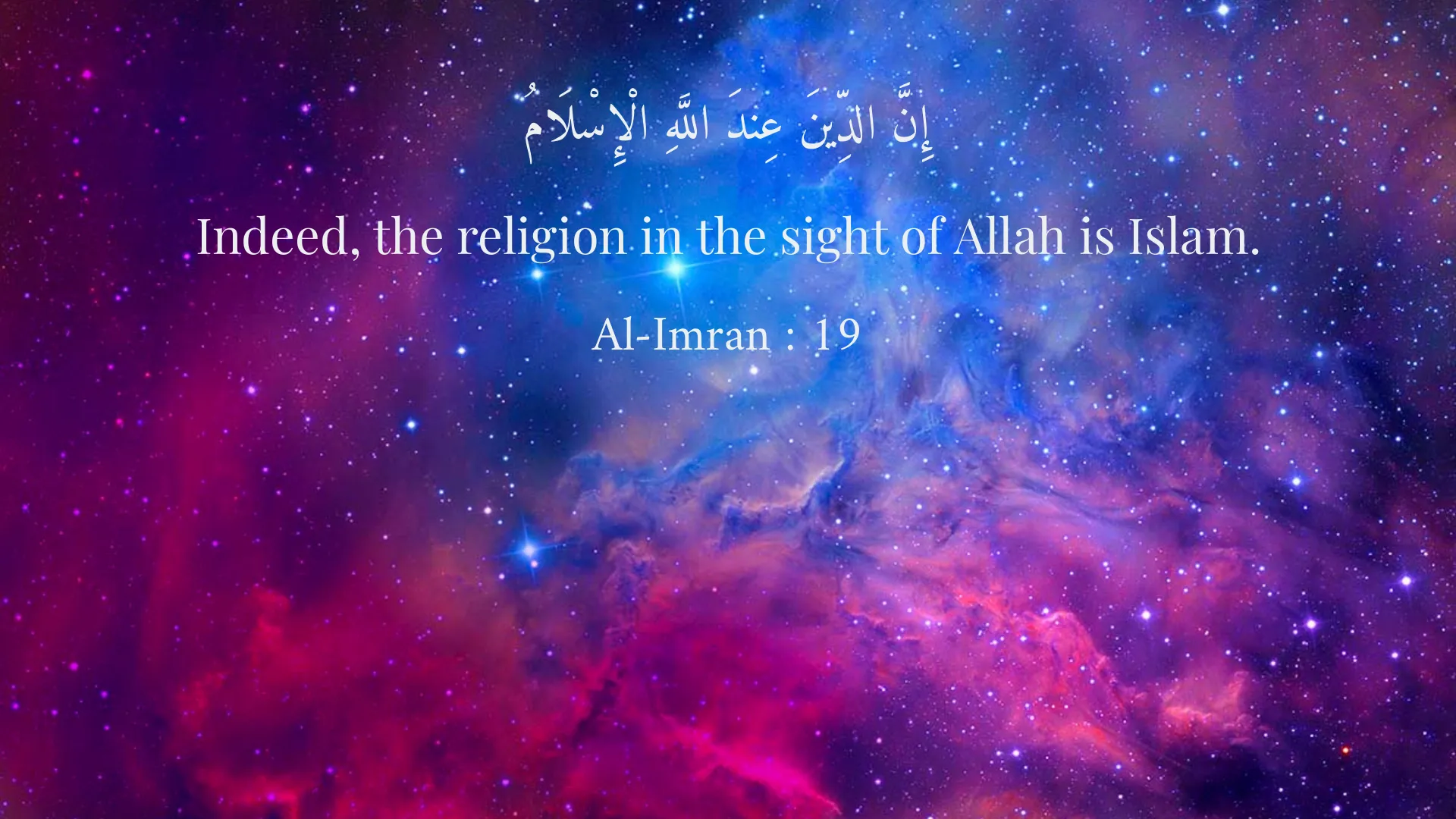
إِنَّ الدِّينَ عِندَ اللَّهِ الْإِسْلَامُ
Indeed, the religion in the sight of Allah is Islam.
Al-Imran : 19
وَلَا تَمْنُن تَسْتَكْثِرُ
And do not confer favor to acquire more.
Al-Muddathir : 7
حَافِظُوا عَلَى الصَّلَوَاتِ وَالصَّلَاةِ الْوُسْطَىٰ وَقُومُوا لِلَّـهِ قَانِتِينَ
Maintain with care the prayer and the middle prayer, and stand before Allah, devoutly.
Al-Baqarah : 238
Short Story
One day, Mahmoud was preparing for prayer and pondering how he could pray with more love. He thought to himself, 'If instead of praying alone, I reflect on the divine attributes and names of Allah, could I not feel closer to Him?' From then on, during his prayers, he constantly cherished the glorification and praise of the Lord in his heart, feeling as if the heavens had opened within him. Now, prayer was no longer just an obligation for him, but had transformed into a spiritual and loving moment.