Quranic Answer
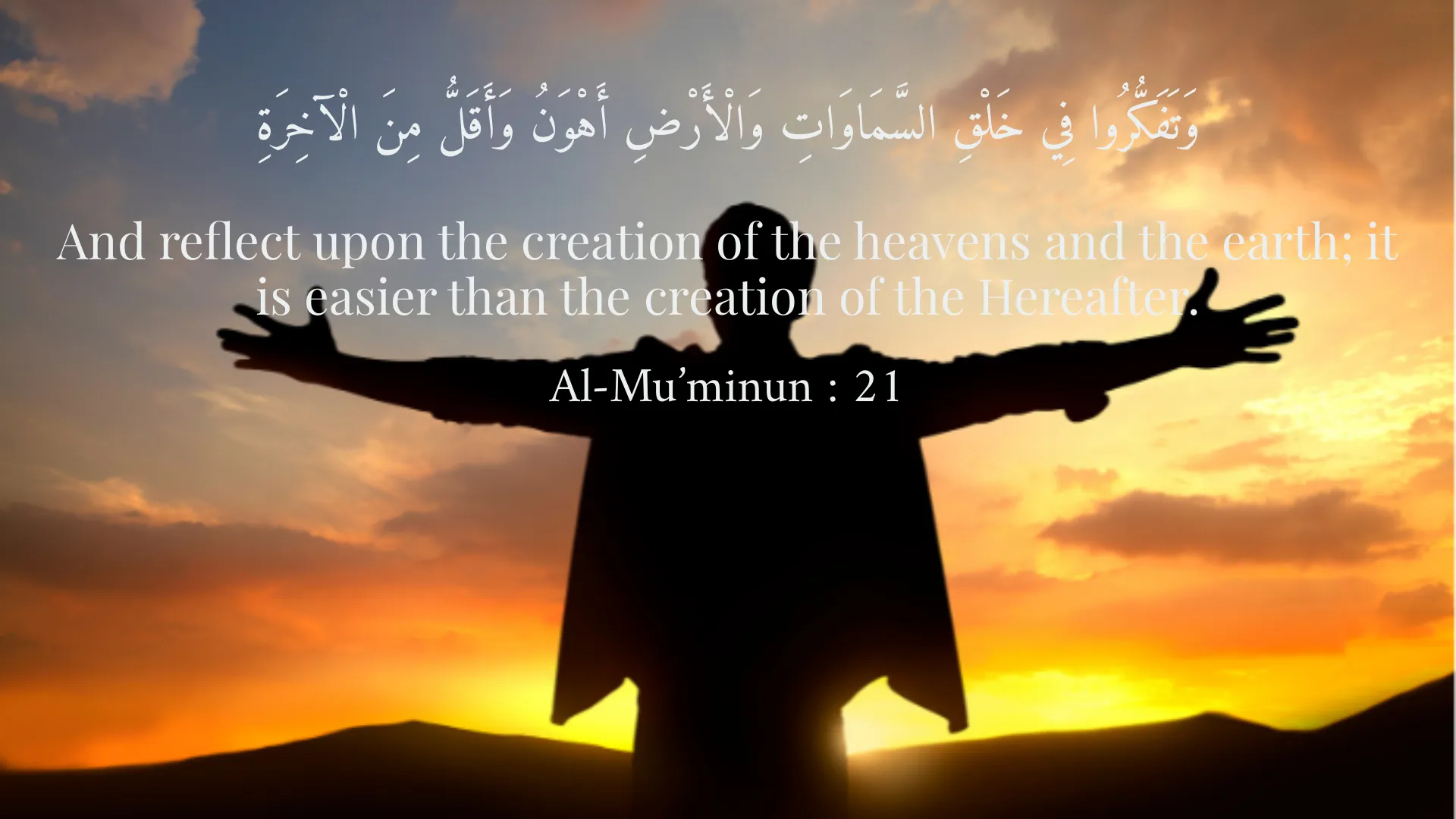
The Day of Judgment, also known as Yawm al-Qiyamah, is a fundamental concept in Islamic theology that portrays the ultimate accountability of every soul for their actions in this world. As Muslims prepare for this significant day, it is paramount to reflect on several key teachings from the Holy Quran that guide believers on how to lead righteous lives. Among the notable verses is Surah Al-Mu'minun, verse 21, which states: "And reflect upon the creation of the heavens and the earth; it is easier than the creation of the Hereafter." This verse serves as an invitation for believers to contemplate the divine creation around them, recognizing that the wonders of the universe hold profound lessons regarding the afterlife. By reflecting on the magnificence of creation, individuals are reminded to acknowledge God’s blessings and mercy, sharpening their awareness of the transient nature of this life and the permanence of the hereafter. This call to reflection is not merely an intellectual exercise but a spiritual one that seeks to instill mindfulness about the afterlife. The Quran emphasizes that the very fabric of the universe, with its vastness and complexity, was developed by God's will and might. As believers ponder over the skies, stars, mountains, and oceans, they are encouraged to consider the purpose of their own existence and the reality of life after death. This verse's significance lies in its message—that if God can create the heavens and the earth, the resurrection and judgment of humanity is a task within His dominion. Furthermore, Surah Al-Mutaffifin, verse 19 encapsulates the essence of reward for the righteous by stating: "Indeed, the righteous will be in pleasure." This verse paints a vivid picture of the rewards that await those who are virtuous in their actions. It emphasizes the dichotomy of the experiences on the Day of Judgment, where the righteous will relive the joy and satisfaction of having led morally upright lives while the transgressors will face the consequences of their wrongdoing. The pleasant state of the righteous reminds believers of the importance of striving towards good deeds, earning God's pleasure through acts of kindness, compassion, and justice. The preparation for the Day of Judgment transcends mere thoughts or intentions; it requires tangible actions that align with Islamic principles. As articulated in Surah Al-Zalzalah, verse 7: "So whoever does an atom's weight of good will see it." This verse is a poignant reminder that every small action is significant in the grand scheme of divine accounting. It underscores the Islamic belief that good deeds, however minor, contribute to a person's status on that fateful day. Believers are encouraged to cultivate an environment for their actions, focusing on moral virtues such as honesty, integrity, generosity, and humility in their daily lives. By consciously selecting to perform good works, individuals enhance their readiness for the Day of Judgment and set a precedent for others to follow. In addition to performing good deeds, prayer plays a crucial role in the spiritual preparation for the Day of Judgment. The act of prayer not only strengthens one's relationship with God but also serves as a mechanism for seeking forgiveness. The Quran encourages believers to incorporate the practice of supplicating for forgiveness in their prayers, acknowledging human shortcomings and recognizing the need for divine mercy. The continuous journey of repentance and prayer fosters spiritual growth and healing of the soul, aligning one's intentions with divine will. Moreover, the significance of community in preparing for the Day of Judgment cannot be overlooked. The interactions between individuals within the community provide ample opportunities for performing good deeds, offering support, and encouraging righteous conduct. Islamic teachings advocate for compassion and empathy, highlighting the importance of uplifting one another. This collective effort not only solidifies the spirit of kinship among believers but also enhances accountability, emphasizing that one's actions impact the larger community. Consequently, education and awareness about the Day of Judgment can significantly influence one's preparedness. Islamic scholars and leaders have a vital role to play in conveying the messages of the Quran and highlighting the importance of accountability, the value of good deeds, and the mercy of God. By fostering a culture that prioritizes spiritual awareness, believers will be better equipped to face the reality of their actions and the consequences they entail. Finally, the pursuit of knowledge is another essential element that aids in preparing for the Day of Judgment. Engaging with the Quran, Hadith, and other religious texts enables believers to deepen their understanding of faith and the responsibilities it entails. The more one learns about Islamic teachings, the more informed choices they can make in both spiritual and worldly matters. Education fosters a robust spiritual framework where believers can navigate life's challenges while maintaining their focus on the afterlife. In conclusion, the preparation for the Day of Judgment is a multifaceted endeavor that requires reflection, righteous action, continuous supplication, and community support. Believers are urged to recognize the grandeur of God’s creation, pursue good deeds, engage in prayer and forgiveness, and foster a compassionate community. The journey towards enhancing one’s spiritual readiness is a personal and communal responsibility that requires dedication and commitment. Ultimately, every individual’s effort contributes to a collective readiness for the Day of Accountability, underscoring the profound truth found within the Quranic verses that guide the faithful on their path to divine pleasure and eternal success.
Related Verses
وَتَفَكُّرُوا فِي خَلْقِ السَّمَاوَاتِ وَالْأَرْضِ أَهْوَنُ وَأَقَلُّ مِنَ الْآخِرَةِ
And reflect upon the creation of the heavens and the earth; it is easier than the creation of the Hereafter.
Al-Mu’minun : 21
إِنَّ الْأَبْرَارَ لَفِي نَعِيمٍ
Indeed, the righteous will be in pleasure.
Al-Mutaffifin : 19
فَمَن يَعْمَلْ مِثْقَالَ ذَرَّةٍ خَيْرًا يَرَهُ
So whoever does an atom's weight of good will see it.
Al-Zalzalah : 7
Short Story
One day, a man named Ali was contemplating his life and the hereafter. He recalled the verses of the Quran and decided to focus more on good deeds and be kinder to others. After some time, he felt better and experienced greater peace in his life.