Quranic Answer
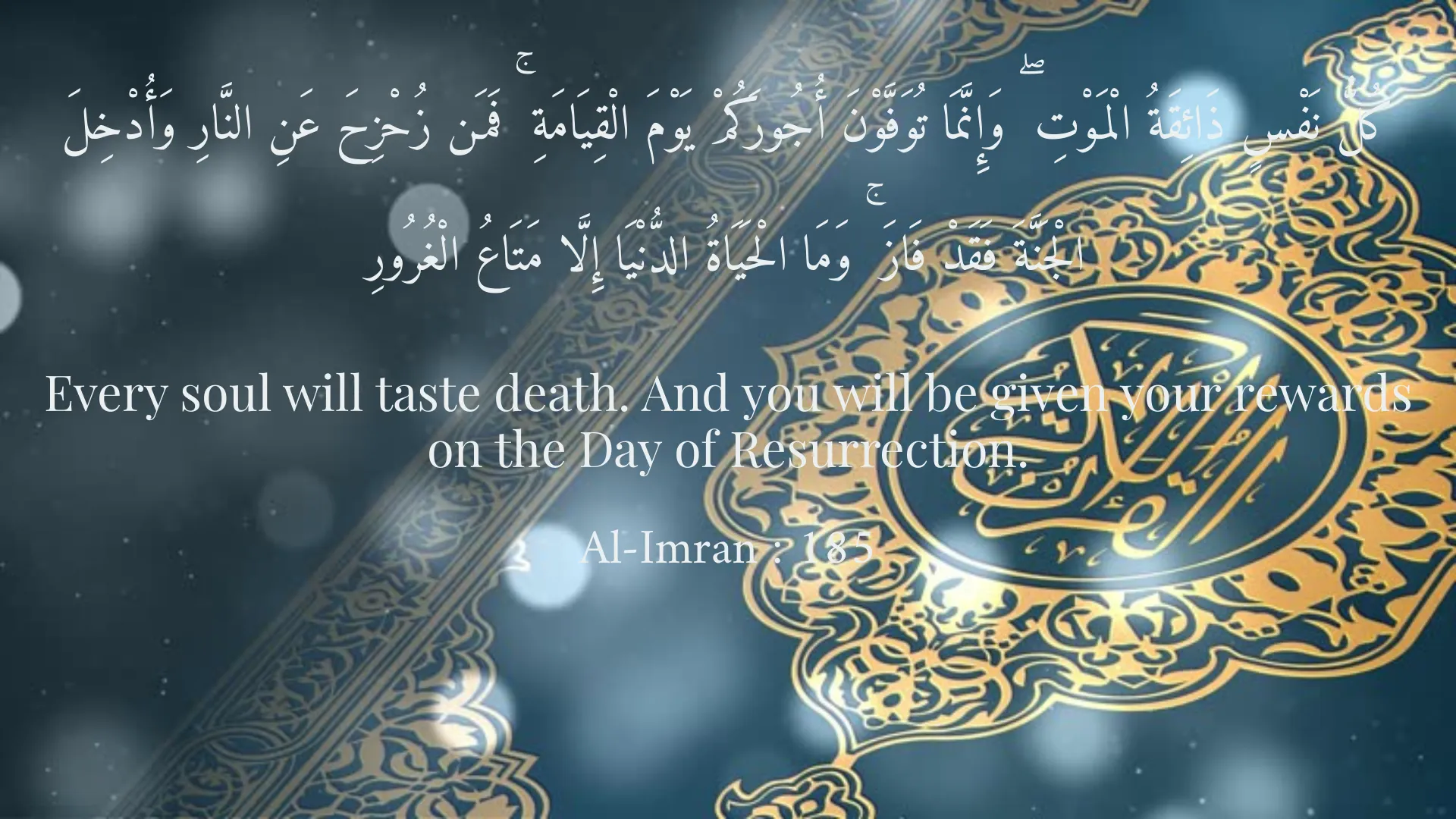
Preparing for death is one of the most significant aspects of life, a theme that pervades the teachings of the Holy Quran. Each human being, regardless of wealth, status, or age, faces the inescapable reality of death. Surah Al-Imran, verse 185, succinctly encapsulates this truth when it states, 'Every soul will taste death.' This powerful verse serves not only as a reminder of our mortality but also as a catalyst for reflection on how we live our lives in the transient world we inhabit. Understanding this makes it paramount for us to prepare for death, which involves more than simply acknowledging its inevitability. It requires deliberate actions and conscious choices that enrich our spiritual journey and prepare us for the afterlife. One of the foremost ways to prepare for death is to strengthen our relationship with God through prayer, reflection, and engaging in righteous deeds. Faith is the foundation upon which our lives must rest, and deepening this relationship can serve as a source of comfort and guidance in our final days. Surah Al-Mu’minun, verses 99 and 100, provides profound insight into the human psyche as it faces death. It mentions, 'Until when death comes to one of them, he says, 'My Lord, send me back so that I might do righteousness in that which I left behind.' This verse reveals a crucial aspect of human nature: the regret that often accompanies the realization of our mortality. It serves as a wake-up call for all of us, urging us to take action to ensure that we live lives filled with purpose and meaning. The yearning expressed in these verses is born out of a longing for more time to make amends, to live in accordance with God's commandments, and to engage in actions that lead to spiritual elevation. Thus, engaging in righteous deeds while we are alive is one of the most effective ways to prepare for the inevitable fate that awaits each one of us. Good deeds not only benefit others but also yield rewards in the Hereafter, providing us with a sense of fulfillment and purpose that death cannot take away. Moreover, reflecting on death as a natural part of life's journey fosters a mindset that is vigilant, intentional, and oriented towards the afterlife. Each moment is precious in the face of our mortality, and turning our focus to the potential of an eternal existence can reshape our current decisions and priorities. The Quran teaches us to maintain a perspective that elevates our thoughts and actions, ensuring that they align with our ultimate goal: pleasing God and securing a place in the Hereafter. Another vital aspect of preparing for death involves the act of repentance from sins and seeking God’s forgiveness. Surah At-Tawbah, verse 102 states, 'and beyond that, you should seek forgiveness, for Allah is Forgiving and Merciful.' This verse highlights the intrinsic connection between seeking forgiveness and preparing for death. Recognizing our faults and making a conscious effort to repent leads us to tranquility and spiritual liberation. It reminds us that while we may falter, God’s mercy is vast and encompasses the sincere believer's heart. Repentance requires humility and acknowledgment of our shortcomings, an act that can transform our hearts and align them more closely with God’s will. It acts as a cleansing ritual that prepares us not only for our mortality but also for meeting our Creator. Approaching God with a contrite heart begs the question: How are we living today? When looking at our lives, it’s crucial to consider if we are on a path that reflects our beliefs and values. To deepen this conversation, we must also reflect on the importance of community and supporting others in our journey. We are not alone in this fight against the distractions of the world or the shackles of sin; instead, we have family, friends, and fellow believers who can bolster our efforts to live righteously. Performing good deeds is often easier within a supportive community, and the shared pursuit of righteousness can yield a powerful collective impact. Additionally, in times of grief or loss, the bond and solidarity among community members can be pivotal. Assisting each other in faith provides an avenue of growth that can enrich our spiritual lives and foster resilience as we confront the specter of death. Acts of charity, kindness, and encouragement can create a ripple effect, reminding us of the importance of nurturing our relationships with one another as well as with God. In conclusion, preparing for death is a critical aspect of our lives that combines various dimensions of our faith and actions. By strengthening our relationship with God through prayer, engaging in righteous deeds, reflecting on the afterlife, seeking forgiveness, and relying on community support, we can equip ourselves for the eventuality of death. The Quran provides us with profound teachings that guide our souls toward righteousness and encourage us to live with purpose, all while recognizing the transient nature of worldly life. As we reflect upon our lives and the ultimate return to our Creator, let us commit to living in a way that will offer solace and pride when we arrive at our final destination.
Related Verses
كُلُّ نَفْسٍ ذَائِقَةُ الْمَوْتِ ۖ وَإِنَّمَا تُوَفَّوْنَ أُجُورَكُمْ يَوْمَ الْقِيَامَةِ ۚ فَمَن زُحْزِحَ عَنِ النَّارِ وَأُدْخِلَ الْجَنَّةَ فَقَدْ فَازَ ۚ وَمَا الْحَيَاةُ الدُّنْيَا إِلَّا مَتَاعُ الْغُرُورِ
Every soul will taste death. And you will be given your rewards on the Day of Resurrection.
Al-Imran : 185
حَتَّى إِذَا جَاءَ أَحَدَهُمُ الْمَوْتُ قَالَ رَبِّي ارْجِعُونِ
Until when death comes to one of them, he says, 'My Lord, send me back.'
Al-Mu’minun : 99
وَأَخْرُونَ اعْتَرَفُوا بِذُنُوبِهِمْ خَلَطُوا عَمَلًا صَالِحًا وَآخَرَ سَيِّئًا ۖ عَسَى اللَّهُ أَنْ يَتُوبَ عَلَيْهِمْ ۗ إِنَّ اللَّهَ غَفُورٌ رَحِيمٌ
And others have acknowledged their sins; they mixed righteous deeds with others that were bad. Perhaps Allah will accept repentance of them. Indeed, Allah is Forgiving and Merciful.
At-Tawbah : 102
Short Story
One day, a young man named Ahmad was sitting by the sea, contemplating about death and life after it. He decided that he needed to act better and become closer to God. From that day on, he prayed daily and performed good deeds in the way of God. He told his friends that life is short and should be spent in a better way.