Quranic Answer
Attaining God's satisfaction is a monumental quest for countless individuals across various cultures and religions. Within the framework of Islam, this pursuit is quintessentially outlined in the Holy Quran, which serves as both a guide and a source of wisdom for millions. The Quran emphasizes several essential principles that individuals must adhere to in order to find favor in the eyes of Allah. Through my exploration of these principles, I will elaborate on the foundational elements of remembrance, righteous deeds, and kindness towards others as essential pathways to attain God's satisfaction. The first principle that stands out in the Quran as a pathway to achieving God's satisfaction is the importance of God's remembrance and worship. This tenet is clearly articulated in Surah Al-Baqarah, verse 152, which states, "So remember Me; I will remember you." This verse acts as a profound reminder that maintaining an ongoing connection with God is essential for spiritual success. In a world often filled with distractions and material preoccupations, the act of remembrance encourages individuals to redirect their focus towards the divine. The act of worship is not limited to ritual prayers alone; it encompasses various forms of devotion, including meditation, gratitude, and reflection. Engaging in these practices fosters a sense of inner peace and spiritual clarity, enabling individuals to navigate the challenges of life with a stronger sense of purpose. Moreover, sincere remembrance of God cultivates humility and gratitude, putting into perspective the vastness of God's mercy and the importance of staying connected to Him amidst life’s turbulence. Moving beyond remembrance, the second vital principle essential for attaining God's satisfaction involves the performance of good and righteous deeds. This notion is beautifully embodied in Surah Al-Imran, verse 31, where Allah says, "Say, 'If you should love Allah, then follow me, so Allah will love you and forgive you your sins.'" Here, the Quran emphasizes that love for God is manifested through following the teachings of His Prophets and adhering to a path of righteousness. Righteous deeds serve as a manifestation of an individual's character and their commitment to living a life aligned with divine values. Engaging in actions that are morally and ethically sound not only pleases God but also enriches the lives of those around us. Whether it’s through acts of charity, honesty in dealings, or taking responsibility for one's actions, righteousness brings forth a transformative power that positively influences society. Furthermore, these deeds serve as practical expressions of love and devotion to God, reinforcing one's bond with the Creator and fostering a positive ripple effect in the surrounding community. In addition to personal piety and righteous deeds, showing kindness to others is a crucial third principle that governs the path towards attaining God's satisfaction. Allah's command in Surah An-Nisa, verse 36 serves as a directive to maintain good relations with not only family and close friends but also neighbors and those less fortunate: "And worship Allah and associate nothing with Him, and to parents, do good, and to relatives, orphans, the needy, the near neighbor, the neighbor farther away, the companion at your side, and the companion along the way." This inclusive coverage highlights the importance of community and the interconnectedness of humanity. The Quran encourages believers to acknowledge their social responsibilities and to contribute positively towards the welfare of others. In a time where individualism often reigns, this verse serves as a timely reminder of the value of empathy, kindness, and collective upliftment. Kindness has a transformative quality; it cultivates a spirit of compassion, strengthens social bonds, and creates an atmosphere of acceptance and mutual respect. Whether through small gestures or substantial contributions to the welfare of society, acts of kindness not only fulfill religious obligation but also reflect the essence of true faith in action. Through Noor, or divine light, individuals can illuminate the lives of others, leaving a lasting impact on the world around them. In summation, the journey toward attaining God's satisfaction is profoundly rooted in the principles of remembrance, righteous deeds, and compassion towards others. Each of these tenets serves as a crucial component weaving together a holistic approach to spirituality and community. Through sustained efforts in remembering God, engaging in virtuous actions, and showing kindness, individuals can strive to create a meaningful existence that resonates with divine approval. As we navigate the complexities of our modern lives, it's essential to keep these principles at the forefront of our intentions and actions. The Holy Quran provides not just a spiritual roadmap but also a practical guide for leading a life that not only pleases God but also contributes positively to the world around us. Ultimately, the satisfaction of God is an ever-evolving journey rather than a mere destination, and through our commitment to these core principles, we can hopeful witness the unfolding beauty of a life enriched with faith and purpose.
Related Verses
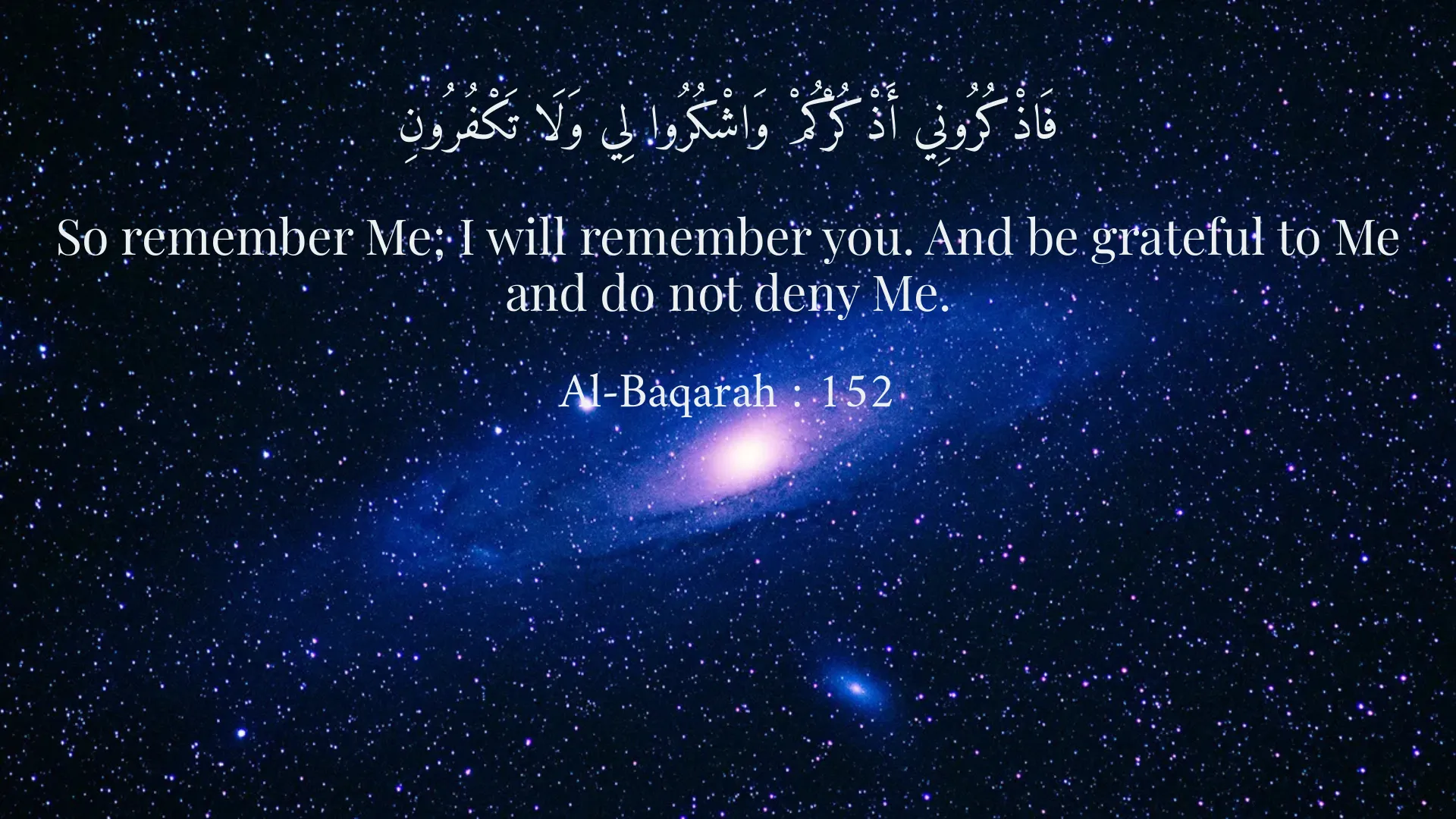
فَاذْكُرُونِي أَذْكُرْكُمْ وَاشْكُرُوا لِي وَلَا تَكْفُرُونِ
So remember Me; I will remember you. And be grateful to Me and do not deny Me.
Al-Baqarah : 152
قُلْ إِن كَانَ اللَّهُ يُحِبُّكُمْ فَاتَّبِعُونِي يُحْبِبْكُمُ اللَّهُ وَيَغْفِرْ لَكُمْ ذُنُوبَكُمْ ۗ وَاللَّهُ غَفُورٌ رَّحِيمٌ
Say, 'If you love Allah, then follow me, so Allah will love you and forgive you your sins. And Allah is Forgiving and Merciful.'
Al-Imran : 31
وَاعْبُدُوا اللَّهَ وَلَا تُشْرِكُوا بِهِ شَيْئًا وَبِالْوَالِدَيْنِ إِحْسَانًا ۖ وَبِذِي الْقُرْبَىٰ وَالْيَتَامَى وَالْمَسَاكِينِ وَالْجَارِ ذِي الْقُرْبَى وَالْجَارِ الْجُنُبِ وَالصَّاحِبِ بِالْجَنبِ
And worship Allah and associate nothing with Him, and to parents, do good, and to relatives, orphans, and the needy and the near neighbor.
An-Nisa : 36
Short Story
One day, a man was on a journey and felt he was not attaining God's satisfaction. He remembered the divine call and realized he had been neglectful in helping others. So he decided to help the orphans sitting along his path. Not only did he bring smiles to their faces, but he also found inner peace. From that day onward, he understood that kindness and goodness towards others is a path to drawing closer to God.