Quranic Answer
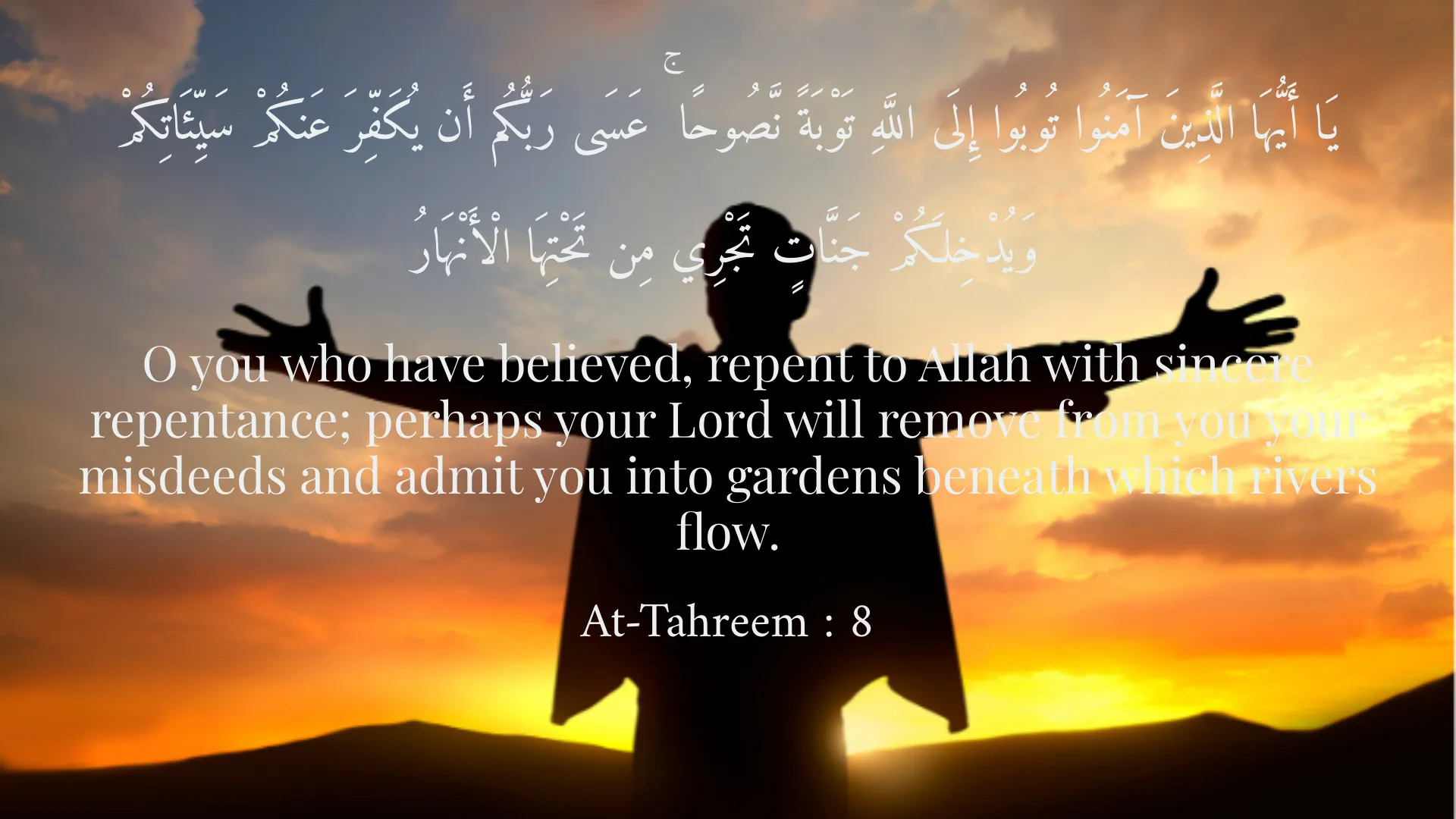
Achieving freedom from past sins in Islam is a profound, multi-faceted process that encompasses various aspects of faith, personal reflection, and a sincere endeavor to reconnect with God's mercy and grace. This transformative journey is intricately woven into the Islamic spiritual framework, illustrating not only the importance of repentance but also the power of atonement and the hope found in divine forgiveness. At the core of this process lies the concept of Tawbah, or repentance, which signifies a heartfelt return to God. The Holy Quran emphasizes this return as not merely a ritual but as a necessary act of humility and acknowledgment of one’s misdeeds. Surah At-Tahreem, verse 8 declares: "O you who have believed, repent to Allah with sincere repentance; perhaps your Lord will remove from you your misdeeds and admit you into gardens beneath which rivers flow." This verse exemplifies the promise of God’s mercy and the boundless opportunities for redemption available to believers. It highlights the belief that no sin is beyond the scope of God's forgiveness, as long as the sinner approaches Him with sincerity and an earnest desire to change. The journey of repentance initiates with the genuine expression of remorse for past actions. A person must not only recognize their mistakes but also feel a deep emotional weight from those missteps. This stage is crucial because it paves the way for a humble supplication to God for forgiveness. The act of turning back to God is deeply personal, necessitating a sincere heart that longs for divine approval and mercy. It is this emotional connection that transforms the act of repentance into a powerful catalyst for personal growth and transformation. Moreover, prayer and supplication play vital roles in this redemptive journey. The Quran elucidates in Surah Al-Baqarah, verse 186, Allah's promise to answer the prayers of His servants: "And when My servants ask you concerning Me, indeed I am near. I respond to the invocation of the supplicant when he calls upon Me." This assurance serves to strengthen the faith of believers, cementing the notion that God is always available to listen, guide, and forgive. Engaging in prayer during the process not only fosters a closer relationship with God but also reinforces a sense of accountability and commitment to change. In addition to repentance and prayer, performing good deeds is fundamental in paving the path toward attaining freedom from sins. Such actions can take many forms, including acts of kindness, charity, and fulfilling one's obligations toward others. By engaging in these positive acts, a believer actively contrasts their past wrongdoings with actions that embody righteousness and virtue. This principle is beautifully encapsulated in the Quran, where Allah states, "Indeed, good deeds erase bad deeds. This is a reminder for those who remember" (Surah Hud, verse 114). Furthermore, it is essential for believers to remember that despair has no place in a faithful heart. Surah Az-Zumar, verse 53 reassures us, "O My servants who have believed, do not despair of the mercy of Allah. Indeed, Allah forgives all sins." This verse reinforces the belief that regardless of the gravity of one’s misdeeds, they should not lose hope in the boundless mercy of Allah. Embracing hope allows individuals to move forward from their past, fostering resilience in the face of adversity. True freedom from past sins does not come overnight; it is a continuous journey characterized by consistent effort, sincere repentance, and the establishment of righteous habits. It involves the cultivation of a personal relationship with God, wherein believers are encouraged to keep their hearts open for divine guidance and support. The journey of repentance may be riddled with struggles and moments of weakness, but it is within these challenges that spiritual growth flourishes. In understanding this process, it becomes clear that repentance is not merely about seeking forgiveness but also about fostering a constructive change within oneself. The addictive nature of sin can often lead to cyclical patterns of wrongdoing, thus making it crucial to implement practical changes in one’s life as well. Individuals are encouraged to establish environments that support their spiritual growth, be it through beneficial companionship, regular participation in community prayers, or studying Islamic teachings. It is also pertinent to engage in reflective practices such as journaling or participating in discussions that enable deeper understanding of one's sins and the underlying influences that led to such actions. Such reflection empowers believers to understand their triggers, encourages accountability, and ultimately fosters positive behavioral change. In conclusion, achieving freedom from past sins in Islam is an ongoing and dynamic process rooted in sincere repentance, heartfelt supplication, and the pursuit of good deeds, coupled with an unwavering belief in God's infinite mercy. This journey encapsulates the very essence of faith—recognizing one's imperfections, striving to improve, and maintaining hope in the possibility of divine forgiveness. Embracing this pathway not only liberates individuals from the shackles of their past but also elevates them toward becoming more compassionate and conscious members of society, embodying the principles of mercy and forgiveness in their daily lives. Through consistent efforts and heartfelt devotion, one can experience profound personal renewal and emerge as a person more committed to righteousness and the service of others.
Related Verses
يَا أَيُّهَا الَّذِينَ آمَنُوا تُوبُوا إِلَى اللَّهِ تَوْبَةً نَّصُوحًا ۚ عَسَى رَبُّكُم أَن يُكَفِّرَ عَنكُمْ سَيِّئَاتِكُمْ وَيُدْخِلَكُمْ جَنَّاتٍ تَجْرِي مِن تَحْتِهَا الْأَنْهَارُ
O you who have believed, repent to Allah with sincere repentance; perhaps your Lord will remove from you your misdeeds and admit you into gardens beneath which rivers flow.
At-Tahreem : 8
وَإِذَا سَأَلَكَ عِبَادِي عَنِّي فَإِنِّي قَرِيبٌ ۖ أُجِيبُ دَعْوَةَ الدَّاعِ إِذَا دَعَانِ
And when My servants ask you concerning Me, indeed I am near. I respond to the caller when he calls upon Me.
Al-Baqarah : 186
قُلْ يَا عِبَادِي الَّذِينَ آمَنُوا اتَّقُوا رَبَّكُمْ ۖ لِلَّذِينَ أَحْسَنُوا فِي هَذِي الدُّنْيَا حَسَنَةٌ ۖ وَأَرْضُ اللَّهِ وَاسِعَةٌ ۚ إِنَّمَا يُوَفَّى الصَّابِرُونَ أَجْرَهُمْ بِغَيْرِ حِسَابٍ
Say, 'O My servants who have believed, fear your Lord. For those who do good in this world is good; and the earth of Allah is expansive. Indeed, the patient will be given their reward without account.'
Az-Zumar : 53
Short Story
One day, a pious man was walking in the market. He remembered his past and reflected on his sins. Suddenly, he recalled a verse from the Quran that said, 'No one should despair of the mercy of God.' He decided to go to the mosque and began to pray and seek forgiveness. After a few days, he always taught the youth never to lose hope in God's mercy, and that through repentance, they could attain a new life.