Quranic Answer
To be loved by God, one must first embrace faith and cultivate a deep reliance on Him throughout all aspects of life. This profound relationship is not only fundamental to the practice of one's religion but is also foundational to the spiritual journey of every believer. In the Holy Quran, Allah eloquently articulates the conditions necessary to gain His love and mercy, providing us with both guidance and insight into the essence of true belief. In Surah Al-Imran, verse 31, Allah states, "Say, 'If you love Allah, then follow me so that Allah will love you and forgive you your sins. And Allah is Forgiving and Merciful.'" This verse illuminates a crucial aspect of our relationship with the Divine: following the Messenger of God (peace be upon him). It emphasizes that love for Allah is not merely an abstract notion but a commitment that entails action and obedience. This adherence to the teachings and commandments of the Prophet serves as a foundational step towards becoming beloved to God. Moreover, the Quran continuously emphasizes that faith must be coupled with action. In Surah Al-Baqarah, verse 177, Allah reveals, "Righteousness is not that you turn your faces toward the East or the West, but [true] righteousness is in one who believes in Allah, the Last Day, the Angels, the Book, and the Prophets and gives his wealth, in spite of love for it, to relatives, orphans, the needy, the traveler, those who ask [for help], and for freeing slaves." This profound statement serves as a vital reminder that to be beloved by God, one must engage actively in righteous deeds and extend compassion towards others. Faith is not merely an internal state; it manifests through our actions and interactions with the world around us. The concept of righteousness defined in this verse reminds believers that spiritual devotion is intertwined with social responsibility. Those who genuinely love God are compelled to support and uplift those in need, engaging in acts of charity and kindness regardless of their personal circumstances. Prayer and worship also hold a significant place in the quest to be beloved by God. In Surah Maryam, verse 55, we find a description of a dutiful servant of Allah: "And he was dutiful to his parents, and he was not a disobedient tyrant." This verse underscores the importance of obedience and reverence towards parents, reflecting a broader theme of dedication to prayer, worship, and recognition of one's duties. Engaging in consistent prayer and fulfilling one's religious obligations are vital avenues through which believers can express their love for Allah. In this context, prayer is not merely a ritualistic act but a means of establishing a connection with the Divine. It is through sincere supplication and worship that believers can deepen their relationship with Allah, manifesting their love and devotion. As mentioned in various Quranic verses, the practice of regular prayer (Salah) serves to purify the heart and draw individuals closer to the essence of God’s love. Furthermore, the act of giving—whether in the form of charity, kindness, or support—should not be relegated to obligatory acts but should become a way of life for every believer. The Quran teaches that true love for Allah inspires individuals to share their blessings with others, thereby reflecting the mercy and compassion that Allah extends to His creation. Engaging in charity purifies the soul and demonstrates a commitment to serving others, which is intrinsically linked to being favored by God. Compassion towards others is another critical aspect that intertwines with being beloved by God. The Quran does not merely command believers to act righteously; it calls for a deep sense of empathy and kindness. This is illustrated profoundly in the teachings of the Prophet Muhammad (peace be upon him), who emphasized the significance of mercy towards all of God’s creation. The quintessential example of this principle is evident in the way the Prophet treated everyone around him, irrespective of their social standing or background. Moreover, attaining Allah's love requires a continuous commitment to self-reflection and improvement. Believers are encouraged to assess their intentions and actions regularly, ensuring they align with the values of their faith. This introspection fosters a deeper understanding of one’s relationship with Allah and strengthens the resolve to act upon His commands. Through heartfelt repentance and a determination to avoid wrongdoing, believers can seek Allah's forgiveness and cultivate a heart that is replete with His love. In summary, to be beloved by God entails a multifaceted approach comprising faith, righteous actions, compassion for others, and dedication to worship and prayer. Each of these components interlocks, forming a comprehensive framework that facilitates a deep, abiding relationship with the Divine. Believers are urged to not only profess their love for Allah but to embody it through their actions, thereby leading a life that reflects the values and teachings of Islam. As we navigate our spiritual journey, we must remember that gaining the love of Allah is not reserved for the few; rather, it is a path accessible to all who earnestly seek Him. By following the teachings of the Prophet, engaging in acts of charity, maintaining dedication to prayer, and embodying kindness, we can cultivate a life enriched by God’s love and mercy. In doing so, we also inspire others to embark on their journey towards spiritual growth, ultimately fostering a community rooted in compassion, understanding, and love for the Creator.
Related Verses
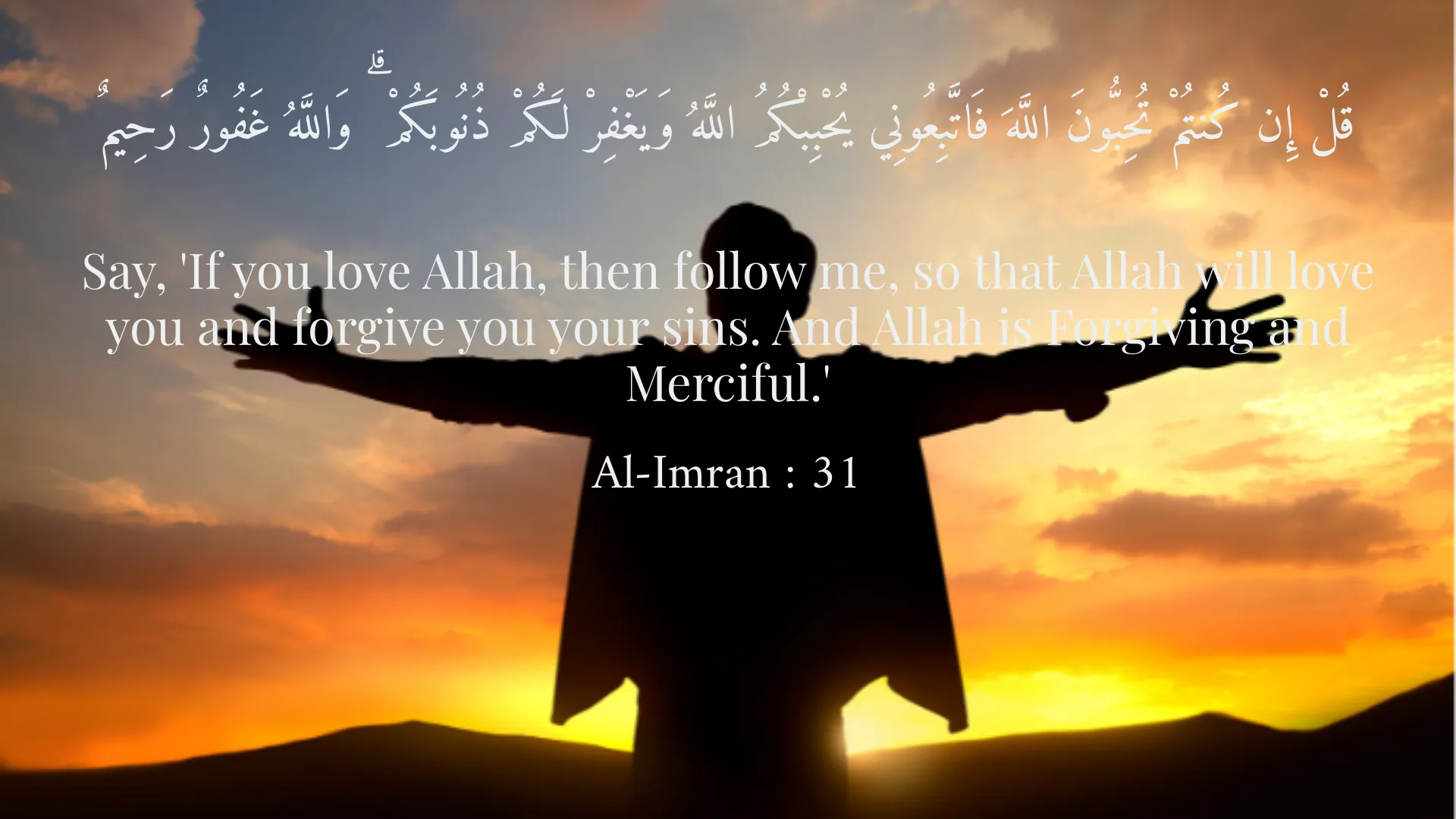
قُلْ إِن كُنتُمْ تُحِبُّونَ اللَّهَ فَاتَّبِعُونِي يُحْبِبْكُمُ اللَّهُ وَيَغْفِرْ لَكُمْ ذُنُوبَكُمْ ۗ وَاللَّهُ غَفُورٌ رَحِيمٌ
Say, 'If you love Allah, then follow me, so that Allah will love you and forgive you your sins. And Allah is Forgiving and Merciful.'
Al-Imran : 31
لَيْسَ الْبِرَّ أَن تُوَلُّوا وجُوهَكُمْ قِبَلَ الْمَشْرِقِ وَالْمَغْرِبِ وَلَكِنَّ الْبِرَّ مَن آمَنَ بِاللَّهِ وَالْيَوْمِ الْآخِرِ وَالْمَلَائِكَةِ وَالْكِتَابِ وَالنَّبِيِّينَ وَآتَى الْمَالَ عَلَى حُبِّهِ ذَوِي الْقُرْبَى وَالْيَتَامَى وَالْمَسَاكِينِ وَابْنَ السَّبِيلِ وَالسَّائِلِينَ وَفِي الرِّقَابِ.
Righteousness is not that you turn your faces toward the East or the West, but [true] righteousness is in one who believes in Allah, the Last Day, the Angels, the Book, and the Prophets and gives his wealth, in spite of love for it, to relatives, orphans, the needy, the traveler, those who ask [for help], and for freeing slaves.
Al-Baqarah : 177
وَكَانَ يُصَلِّي وَيُقِيمُ الصَّلَاةَ وَيُقِيمُ الصَّلَاةَ وَيُقِيمُ الزَّكَاةَ وَكَانَ يَرَبُّ أَبَوَيْهِ أَحَسَّتْ بِيَ قَوْمَانَ شَقِيًا.
And he was dutiful to his parents, and he was not a disobedient tyrant.
Maryam : 55
Short Story
One day, a young man named Ahmad was deep in thought, searching for ways to grow closer to God and be beloved by Him. He decided to pray every day and show respect to his parents. He also began helping the needy and aimed to be a sincere and kind-hearted person. Over time, he felt that his life was filled with blessings and peace, realizing that in doing these deeds, he not only became beloved to God, but also felt happiness within himself.