Quranic Answer
Becoming beloved by God is a profound aspiration for many believers. It encompasses various dimensions of spirituality and moral conduct, each highlighted in the Holy Quran. The pursuit of God's love is not merely a desire; it is an actively sought relationship between the Creator and the creation. It is rooted in faith, righteous deeds, kindness, good character, persistence in repentance, and a strong adherence to the teachings of the Quran. This article delves into these aspects, exploring the pathways that lead to becoming beloved by Allah, as articulated in the divine scripture. ### Genuine Faith and Righteous Deeds One of the very first steps toward achieving divine love is the foundation of genuine faith coupled with righteous deeds. The Quran emphatically states the significance of faith in Surah Al-Imran (3:32): 'Say, If you love Allah, then follow me, so Allah will love you and forgive you your sins.' This verse serves as a profound reminder that love for Allah can be manifested through actions. Following the teachings of the Prophet Muhammad (peace be upon him) creates a direct connection with God, making adherence to the principles of Islam not just an obligation but a pathway to divine affection. Thus, the first criterion for becoming beloved by God is a sincere belief in Him, alongside a commitment to righteous actions that mirror the prophetic example. ### Righteousness and Kindness In addition to faith, the Quran emphasizes the importance of righteousness and kindness towards others. Surah Al-Baqarah (2:177) states, 'Righteousness is not that you turn your faces toward the east or the west, but [true] righteousness is in one who believes in Allah, the Last Day, the Angels, the Book, and the Prophets and gives his wealth, in spite of love for it, to relatives, orphans, the needy, the traveler, those who ask [for help], and for freeing slaves.' This characterization of righteousness illustrates that loving God also entails a compassionate and service-oriented approach to His creation. True believers are characterized not merely by their rituals of worship but by their actions and generosity toward others. Kindness is a manifestation of righteousness and is pivotal in becoming beloved by God. By extending help to those in need, whether relatives, friends, or strangers, one demonstrates an understanding of the interconnection among humanity. The more one helps others, the more one aligns with the divine traits of love and mercy, embodying the essence of God's love in their actions. Such kindness not only benefits society but also cultivates a heart that is open to divine grace. ### Good Character and Ethical Behavior To further attain God's love, embodying good character holds remarkable significance. Surah Luqman (31:17) contains invaluable advice from a father to his son, stating, 'O my son, establish prayer, enjoin what is right, forbid what is wrong, and be patient over what befalls you. Indeed, this is of the matters [requiring] determination.' The principles of enjoining good and forbidding evil are not only paramount for creating a moral society but also reflect a person's commitment to living a life by divine standards. By upholding good character, one exemplifies qualities that are pleasing to God, such as honesty, humility, and patience. Eloquence in conduct, respect for others regardless of their status, and a commitment to justice are traits that believers are encouraged to embody. When one's character reflects the teachings of the Quran, it emanates a light that propels one closer to God's mercy and love. The profound bond that develops between a believer's heart and the love of Allah forms the bedrock of spiritual fulfillment. ### Persistence in Repentance The path to God's love is not linear and is often fraught with challenges. It is, therefore, essential to recognize the importance of repentance in this journey. Surah Al-Furqan (25:70) beautifully articulates this notion: 'Except for those who repent, believe and do righteous work. For them Allah will replace their evil deeds with good. And ever is Allah Forgiving and Merciful.' Repentance implies a return to God, an acknowledgment of one’s shortcomings, and a sincere effort to amend one's ways. It is a pivotal aspect of Islamic spirituality that reinforces the concept of mercy. Understanding that human nature is flawed can lead one to approach repentance with sincerity and humility. The willingness to turn back to Allah after wrongdoing illustrates a profound love for Him and a desire to align with His will. This continuous cycle of repentance and striving for betterment is essentially what nurtures the relationship between the believer and God, resulting in divine mercy and love. ### Conclusion In seeking to become beloved by Allah, believers must cultivate a multifaceted approach rooted in the teachings of the Holy Quran. Genuine faith, righteous deeds, kindness, good character, and ongoing repentance are not mere requirements; they are blessings that strengthen the bond between the servant and the Creator. By engaging consistently in these endeavors, a Muslim not only draws closer to God's love but also fulfills their purpose and potential as His creation. Engaging with the Quranic guidance ensures that an individual embodies the desired qualities that resonate with divine love and compassion. Just as the Quran highlights, the act of forming a relationship steeped in empathy, service, patience, and repentance is fundamental for any believer aspiring to obtain God's affirmative affection. The journey may be challenging, yet it is profoundly rewarding, for in the pursuit of becoming beloved by Allah, one inevitably discovers the essence of true peace, fulfillment, and ultimate connection with the Divine.
Related Verses
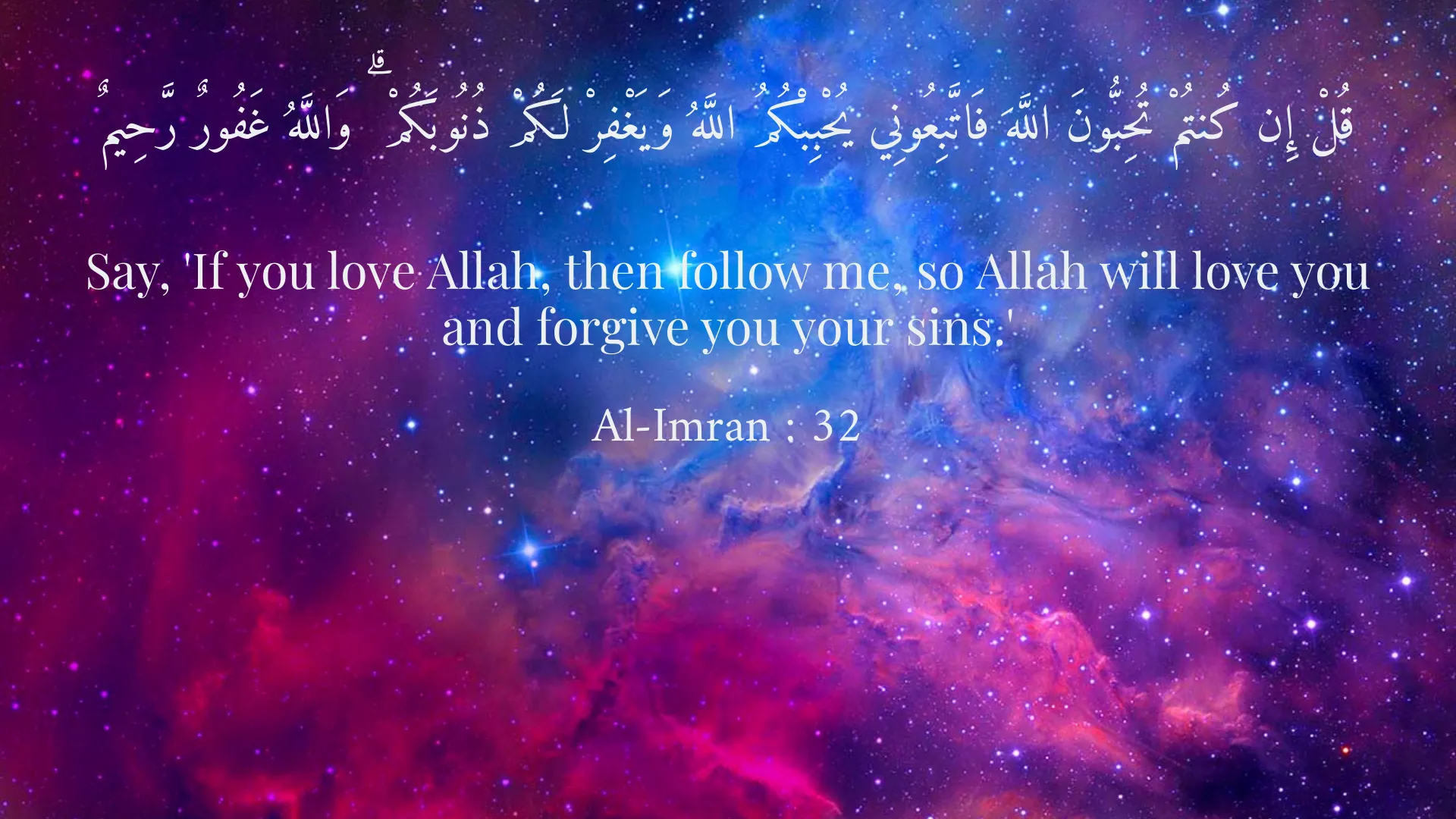
قُلْ إِن كُنتُمْ تُحِبُّونَ اللَّهَ فَاتَّبِعُونِي يُحْبِبْكُمُ اللَّهُ وَيَغْفِرْ لَكُمْ ذُنُوبَكُمْ ۗ وَاللَّهُ غَفُورٌ رَّحِيمٌ
Say, 'If you love Allah, then follow me, so Allah will love you and forgive you your sins.'
Al-Imran : 32
لَيسَ البِرَّ أَن تُولُّوا وُجُوهَكُمْ قِبَلَ المَشْرِقِ وَالمَغْرِبِ وَلَكِنَّ البِرَّ مَن آمَنَ بِاللَّهِ وَاليَوْمِ الْآخِرِ وَالْمَلَائِكَةِ وَالكِتَابِ وَالنَّبِيِّينَ وَآتى الْمَالَ عَلَى حُبِّهِ ذَوِي الْقُرْبَى وَالْيَتَامَى وَالْمَسَاكِينِ وَابْنَ السَّبِيلِ وَالسَّائِلِينَ وَفِي الرِّقَابِ
Righteousness is not that you turn your faces toward the east or the west, but [true] righteousness is in one who believes in Allah, the Last Day, the Angels, the Book, and the Prophets and gives his wealth, in spite of love for it, to relatives, orphans, the needy, the traveler, those who ask [for help], and for freeing slaves.
Al-Baqarah : 177
إِلَّا مَن تَابَ وَآمَنَ وَعَمِلَ عَمَلًا صَالِحًا فَأُولَـٰئِكَ يَدْخُلُونَ الْجَنَّةَ وَلَا يُظْلَمُونَ شَيْئًا
Except for those who repent, believe and do righteous work. For them Allah will replace their evil deeds with good. And ever is Allah Forgiving and Merciful.
Al-Furqan : 70
Short Story
Once upon a time, there was a man named Hasan who faced many challenges in his life. Seeking resolution, he turned to the Quran and began to study its verses, moving from one verse to another. He realized that loving God and following His Prophet were keys to peace and being beloved in God's eyes. Hasan decided to faithfully practice his faith and perform good deeds towards others to draw closer to God. Over time, his life transformed, and he found a greater sense of happiness.