Quranic Answer
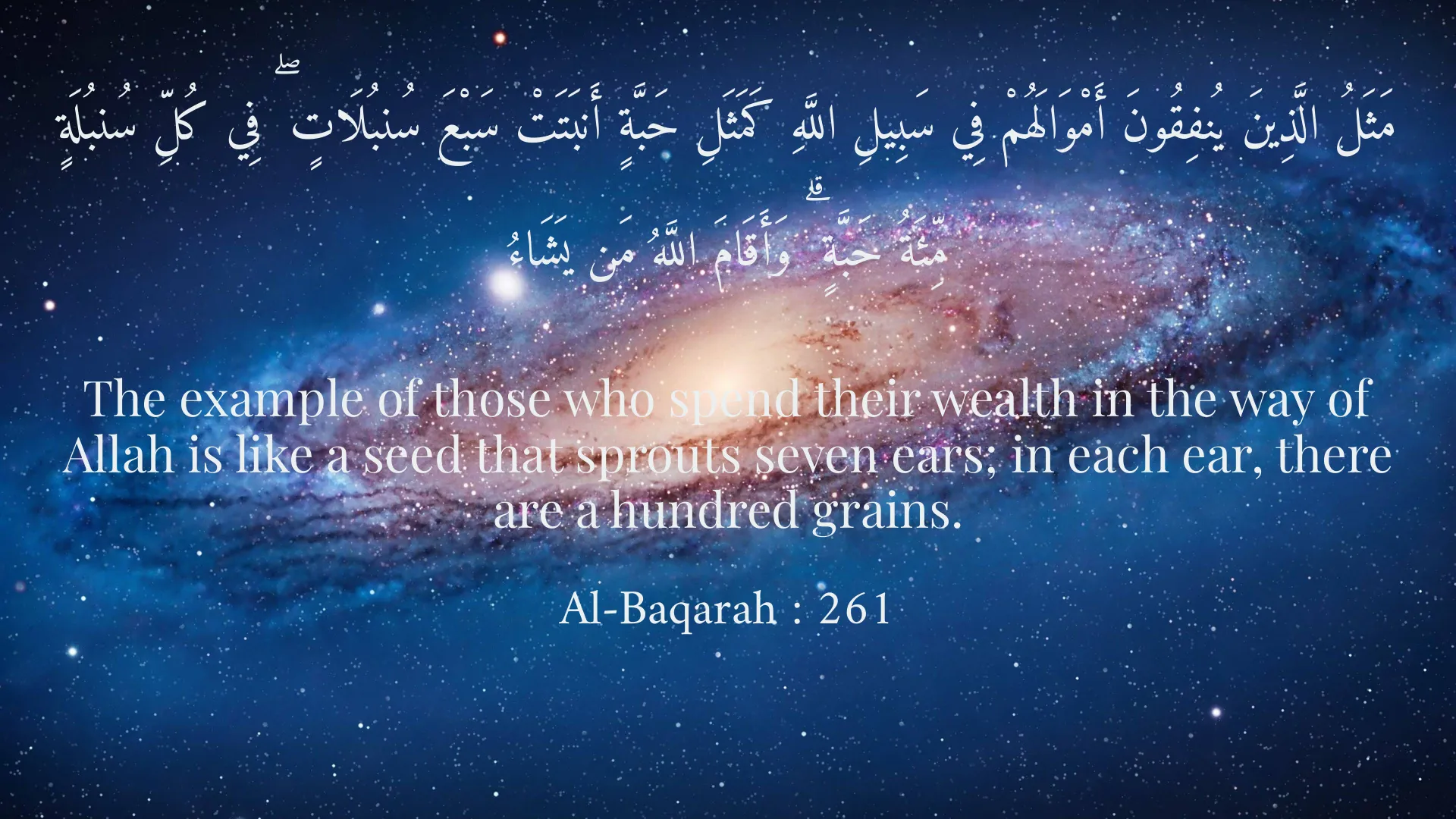
To bless our sustenance, the Holy Quran provides clear guidelines on how to achieve this important objective. The concept of sustenance, or 'rizq' in Arabic, encompasses not only the physical resources that sustain us but also the blessings and enrichment that come from our relationship with Allah. In a world where materialism often overshadows spiritual values, the Quran reminds us of the intrinsic connection between faith, piety, and the abundance we seek. This article delves into the various teachings of the Quran that guide us on how to cultivate and preserve these blessings in our lives. One of the foundational tenets emphasized throughout the Quran is the importance of obedience to Allah. Obedience in its essence means living a life that aligns with divine teachings and upholding moral principles. In Surah Al-Baqarah, verse 261, Allah elucidates the significance of charity, comparing it to a seed that sprouts into seven ears. Each ear bears a hundred grains, symbolizing the immense rewards that come from selfless giving. This metaphor vividly illustrates the amplification of blessings that accompany acts of kindness, reinforcing the idea that giving is not merely an obligation but a source of bountiful sustenance. Therefore, engaging in charitable acts not only benefits the recipient but also activates a divine mechanism of blessing in the giver’s life. Moreover, the Quran teaches that one's actions must be rooted in piety. In Surah Al-Mu’minun, verse 39, we learn about the importance of avoiding transgressions and adhering to righteousness. The verse implies that a righteous life leads to the amplification of blessings. This connection between moral conduct and divine grace indicates that the more one embraces righteousness, the more abundant their sustenance becomes. It underscores the necessity of integrity, fairness, and compassion, suggesting that these virtues are essential in attracting divine favor. Indeed, gratitude plays a critical role in enhancing one's sustenance. The Quran addresses this divine principle in Surah Ibrahim, verse 7, where Allah states, 'If you express gratitude, I will certainly increase My bounty upon you.' This verse serves as a powerful reminder that the act of acknowledging and appreciating the blessings we receive can lead to even greater fortunes. Gratitude shifts our focus from what we lack to what we possess, fostering a positive mindset that can attract further blessings. It encourages individuals to recognize the many aspects of their lives that are worthy of appreciation, from the simple joys of each day to the profound gifts of love, community, and faith. Another essential aspect of maintaining blessings in life is the continuous connection with God. This relationship is nurtured through regular prayers, supplications, and seeking forgiveness. In numerous instances, the Quran encourages believers to turn to Allah in times of need, reflecting the notion that divine assistance is always within reach for those who earnestly seek it. Prayer is not merely a ritual; it signifies humility before the Creator. It is a powerful expression of reliance on Allah, inviting immense blessings into our lives. Furthermore, seeking forgiveness is intertwined with the concept of maintaining blessings. The Quran repeatedly emphasizes the significance of repentance, reminding believers that no one is beyond the bounds of mercy. In Surah Al-Furqan, verse 70, Allah speaks of those who repent and reform, highlighting the transformative power of seeking forgiveness. Recognizing our flaws and striving for improvement not only brings us closer to Allah but also purifies our hearts, allowing us to foster a life filled with blessings and grace. Ultimately, the secret to sustaining blessings lies in fostering positive relationships with others. The Quran teaches that our interactions with those around us should embody respect, compassion, and generosity. Engaging in acts of kindness, whether they be small gestures or significant sacrifices, fosters a sense of community and support. This pillar of mutual respect enhances the overall well-being of society, contributing to a harmonious existence and, subsequently, an enriched life filled with divine blessings. Additionally, establishing a foundation of honesty and loyalty in interpersonal relationships is crucial. As we cultivate these virtues, we build an environment that is both nurturing and supportive, paving the way for sustained divine favor in our lives. Maintaining respect for others’ rights, helping those in need, and creating bonds of love and respect are essential components in the equation of blessings. In conclusion, the Quran provides a comprehensive framework for understanding and achieving the blessings of sustenance. Through obedience to Allah, prioritizing charity, fostering piety, expressing gratitude, maintaining a continuous connection with the Divine, and nurturing positive relationships with others, individuals can unlock the potential for abundant blessings in their lives. The teachings of the Quran emphasize that sustenance goes beyond mere material wealth; it encompasses spiritual, emotional, and social well-being. By adhering to these principles, believers can create a life that is rich in blessings, leading to fulfillment, happiness, and a deep sense of purpose. It is through these guidelines that one can truly experience a life adorned with divine blessings, fulfilling not just physical needs but enriching the soul and contributing positively to the larger community.
Related Verses
مَثَلُ الَّذِينَ يُنفِقُونَ أَمْوَالَهُمْ فِي سَبِيلِ اللَّهِ كَمَثَلِ حَبَّةٍ أَنبَتَتْ سَبْعَ سُنبُلَاتٍ ۖ فِي كُلِّ سُنبُلَةٍ مِّئَةُ حَبَّةٍ ۗ وَأَقَامَ اللَّهُ مَن يَشَاءُ
The example of those who spend their wealth in the way of Allah is like a seed that sprouts seven ears; in each ear, there are a hundred grains.
Al-Baqarah : 261
وَمَنْ يَتَّقِ اللَّهَ يَجْعَل لَّهُ مَخْرَجًا
And whoever fears Allah - He will make for him a way out.
Al-Mu’minun : 39
وَإِذْ قَالَ رَبُّكُمْ لَئِن شَكَرْتُمْ لَأَزِيدَنَّكُمْ
And [mentioned] when your Lord proclaimed: 'If you are grateful, I will surely increase your favor upon you.'
Ibrahim : 7
Short Story
One day, a hardworking man named Hassan felt that he couldn't achieve what he desired in life. He decided to pray to God and ask for blessings. Hassan realized that by helping others and giving in the way of Allah, not only did he feel happier, but his sustenance astonishingly increased. From then on, he became a role model for others and always remembered that blessings come from Allah.