Quranic Answer
Introducing children to prayer is of great importance, as prayer is one of the fundamental pillars of Islam and a means of direct communication with God. For many Muslim families, the practice of prayer is not just an obligatory act mandated by faith; it is an integral part of daily life. The importance of instilling the habit of prayer in children cannot be overstated, as it lays the foundation for their spiritual growth, discipline, and connection with their Creator. To effectively familiarize children with the concept and practice of prayer, parents play a crucial role as models. Children are observant and tend to emulate the actions and behaviors of their parents. When children see their parents praying with love and enthusiasm, they naturally develop a desire to engage in this sacred practice themselves. This is supported by Islamic teachings that emphasize the responsibility of parents. The Prophet Muhammad (peace be upon him) said, "Each of you is a shepherd, and each of you is responsible for his flock." It is incumbent upon parents to guide their children toward a righteous path, and this includes leading them to establish a routine of prayer. The Quran emphasizes the significance of prayer thoroughly. In Surah Al-Baqarah, verse 43, Allah commands, "And establish prayer and give zakah." This verse articulates not only the necessity of performing prayer but also situates it alongside acts of charity, demonstrating its foundational status in Islam. For children, understanding that prayer is not merely a ritual but a means of direct communication with God can enrich their spiritual experience. When introducing children to prayer, it is essential to adopt gentle and affectionate teaching methods. Children are more likely to respond positively to learning when it is presented in a caring and engaging manner. Taking into consideration the child's age and cognitive abilities can significantly impact their interest in prayer. For younger children, incorporating visual aids such as colorful charts, interactive books, or educational cartoons can make the concept of prayer appealing and relatable. Animated stories featuring beloved characters can beautifully illustrate the rituals and significance of prayer, leaving a lasting impression on young minds. Another effective strategy is to take children to religious places like mosques. Conducting prayer in a communal setting provides them with a tangible experience that deepens their understanding of the practice. Being surrounded by fellow worshippers and witnessing the sense of community and spirituality during prayer can instill a sense of awe and reverence in children. It makes prayer not only a personal journey but also a collective experience, emphasizing the importance of belonging to a larger community of believers. Moreover, having conversations and discussions about prayer can help children relate it to their everyday lives. Dialogue allows them to express their feelings, ask questions, and engage with the concept at a deeper level. This engagement can take the form of casual conversations at home, where parents encourage their children to share their thoughts on why prayer is important and how they feel when they pray. By doing so, parents can help demystify any apprehensions children may have, encouraging them to view prayer as a source of comfort, guidance, and strength. In addition to discussions, creating fun and interactive experiences with prayer can foster a deeper connection. Assigning children to enact certain scenes of prayer at home can be beneficial. For example, conducting congregational prayer with the family can promote their understanding of the significance of prayer and their relationship with God. Parents can encourage their children to take on roles, such as leading prayer or reciting specific verses, which not only enhances their confidence but also solidifies their commitment to the practice. Furthermore, using technology can play a significant role in children's engagement with prayer. There are various apps and online resources dedicated to teaching children about the prayers (Salah) and other aspects of Islam. These platforms often use games, quizzes, and challenges that make learning fun and interactive. Integrating technology positively can help bridge the gap between traditional practices and the digital age, making prayer relevant to children who may be more inclined to connect through modern means. As children grow, their understanding of prayer can evolve, too. Formal education on the intricacies of Islamic teachings regarding prayer and its components can further enhance their experience. Many Islamic schools and community centers offer programs that cater to children’s spiritual training. These programs often focus on teaching children how to pray correctly and the significance behind various motions and recitations in prayer. By involving children in such classes, parents can ensure that their little ones receive a well-rounded understanding of prayer, promoting lifelong habits that align with their faith. It is also essential for families to create an environment that encourages prayer as a regular practice. Setting specific times for prayer and treating it as a priority within the household can reinforce its significance. Parents should aim to make prayer a family affair rather than a chore. Perhaps after completing a prayer, families can sit together to reflect on their experiences or share thoughts on the lessons learned from their prayers. Such family bonding can foster a deeper appreciation for prayer and spirituality as a whole. In conclusion, introducing children to prayer is a pivotal step in nurturing their spiritual development. Parents have the profound responsibility of inspiring their children to engage in this practice with enthusiasm and devotion. By modeling prayer, utilizing gentle teaching methods, fostering engaging discussions, and creating meaningful experiences, parents can help children form a lasting connection with prayer. With careful guidance and a nurturing environment, children can learn to view prayer not only as an obligation but as a cherished means of communication with God, setting them on a path of spiritual fulfillment for years to come.
Related Verses
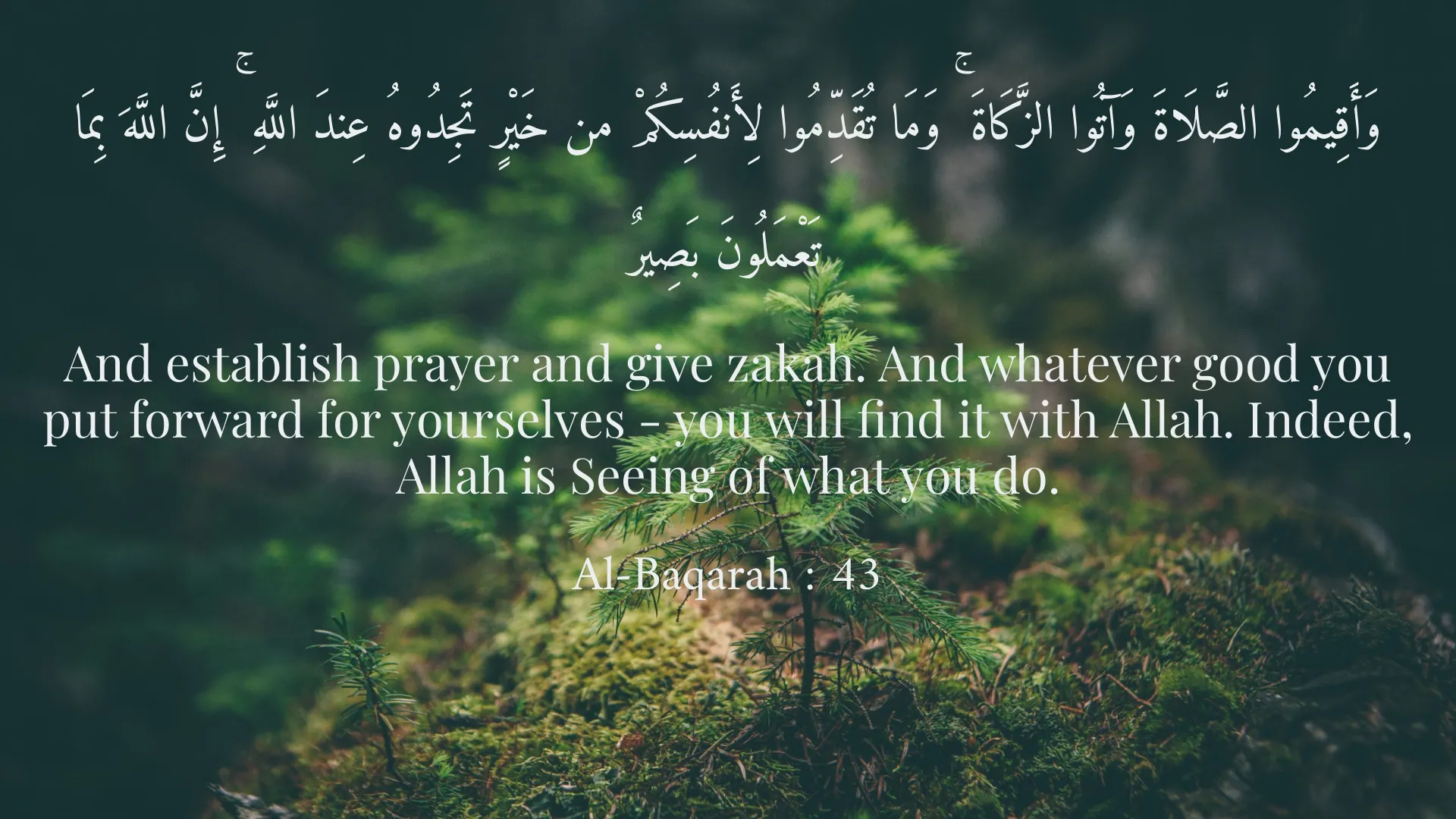
وَأَقِيمُوا الصَّلَاةَ وَآتُوا الزَّكَاةَ ۚ وَمَا تُقَدِّمُوا لِأَنفُسِكُمْ من خَيْرٍ تَجِدُوهُ عِندَ اللَّهِ ۚ إِنَّ اللَّهَ بِمَا تَعْمَلُونَ بَصِيرٌ
And establish prayer and give zakah. And whatever good you put forward for yourselves - you will find it with Allah. Indeed, Allah is Seeing of what you do.
Al-Baqarah : 43
وَالَّذِينَ هُمْ لِلصَّلَاتِهِمْ دَائِمُونَ
And those who are constantly attuned to their prayer.
Al-Mu'mun : 9
وَإِذَا قُلْتَ مَا قَدْ قُلْتُ فَاجْعَلْ السَّلامَ عَلَيْهِ وَلا تَجْعَلْ قَلْبَكَ خَائِفًا مِّنْهُ ۖ إِنَّ اللَّهَ يَعْلَمُ مَا تَعْمَلُونَ
And when you speak, you avoid making your heart fearful of him; indeed, Allah is All-Knowing of what you do.
Al-Isra : 29
Short Story
Once upon a time, there was a boy named Hossein who loved to play a lot. But Hossein's mother always told him that he needed to pray. One day, the mother joyfully said to Hossein, 'Come, let’s pray together; God hears every prayer!' Hossein prayed with his mother and felt a strange peace wash over him. From that day on, Hossein respected prayer and stood to pray with his mother every day.