Quranic Answer
Introducing children to the concept of the Hereafter is one of the essential responsibilities of parents. It is a duty that requires careful planning and thoughtful execution to ensure that children grow up with a clear understanding of life beyond this world. The Holy Quran clearly states in Surah Al-Imran, verse 185: "Every soul will taste death, and you will be given your full compensation on the Day of Resurrection." This profound verse encapsulates the transient nature of worldly life and underscores a fundamental belief: ultimately, every person will return to God for judgment. Therefore, the task of instilling this understanding in children cannot be overstated. To help children grasp the concept of the Hereafter, we can utilize various methods, including Quranic stories and the narratives of the Prophets. These stories not only emphasize life after death but also provide moral lessons through various life changes and trials. For instance, consider the story of Prophet Yusuf (Joseph) and the trials he faced in his life. His unwavering patience and faith in God revealed how divine justice operates in both this world and the Hereafter. The rewards he received for his righteousness serve as a powerful reminder for children that their actions will have consequences, both in this life and beyond. When discussing the concept of the Hereafter, parents can introduce the notion of accountability through Quranic verses. The Quran states: "So whoever does an atom's weight of good will see it, and whoever does an atom's weight of evil will see it" (Surah Al-Zalzalah, verses 7 and 8). This message is pivotal in helping children differentiate between good and bad deeds. By explaining to them the significance of their actions and the idea that each act, no matter how small, is recorded, we can encourage them to strive for righteousness in their daily lives. Additionally, organizing educational sessions and religious talks in a family or community setting can further reinforce these teachings. During these gatherings, moral issues can be actively discussed, and the importance of good deeds can be emphasized through personal anecdotes or examples from the lives of the Prophets. Inviting knowledgeable individuals, such as scholars or community leaders, can also provide children with a deeper understanding of Islamic principles related to the Hereafter. These discussions should not only outline the basic beliefs regarding the Afterlife but also address the emotional aspects, such as fear, hope, and the desire for forgiveness. Creating a loving and supportive environment within the family is crucial when introducing these concepts. Children are more likely to internalize moral teachings when they feel secure and valued. Parents should engage with their children, encouraging open conversations about faith and spirituality. This can include asking thought-provoking questions about what they think happens after death, or how they can help others, thereby relating it back to their actions and the potential consequences of those actions in the Hereafter. Moreover, parents can incorporate rituals and practices that remind children of the Hereafter, such as regular prayers, remembrance of God, and reading Quranic verses together. This consistent engagement with spiritual practices can serve as a constant reminder of the larger purpose of life and the inevitable end that awaits us all. As children practice their faith, they naturally begin to build their own understanding and belief in the Hereafter. Storytelling also plays a crucial role in nurturing this understanding. By sharing stories of the Prophets, angels, and the Day of Resurrection, parents can create an engaging narrative that captivates children’s imaginations. For example, the stories of Prophet Noah and the Great Flood, or the trials faced by Prophet Ayyub (Job) who remained patient during his hardships, can illustrate the themes of faith, perseverance, and the expectations of God from His servants. Such narratives help kids visualize the consequences of human behavior and the mercy of God, linking their actions to their final fate in the Hereafter. It is also essential to address misconceptions or fears that children might have about death and the Hereafter. Children may feel anxious about the unknown, and as parents, it’s our job to reassure them. Open discussions about death, its inevitability, and God’s mercy can alleviate fears. Instead of shying away from these difficult topics, addressing them head-on can help children develop a balanced view of death as a natural part of life, one that leads to a greater reality. Furthermore, teaching children about the Hereafter can foster compassion and empathy within them. Understanding that everyone is accountable for their deeds promotes an environment of kindness, encouraging them to treat others with respect and fairness. When children realize that their actions impact others' lives and their own standing in the Hereafter, they are more likely to engage in acts of charity, kindness, and community service. Lastly, parents should lead by example. Children are observant and often imitate the behavior they see at home. By demonstrating righteousness, engaging in good deeds, and reflecting a faith-driven lifestyle, parents can instill the values they wish to pass down. Attending religious gatherings together, participating in charity, and practicing gratitude can all show children the importance of such actions in relation to eternal life. In conclusion, introducing the concept of the Hereafter to children is a vital aspect of their spiritual growth and moral development. It involves a combination of storytelling, open discussions, educational sessions, and creating a loving family atmosphere. Through these efforts, children can develop a rich understanding of life, death, and what lies beyond, ultimately shaping them into responsible and compassionate individuals who act with consciousness of their actions. As parents carry out this important responsibility, they not only prepare their children for the Hereafter but also instill values that will guide them throughout their lives.
Related Verses
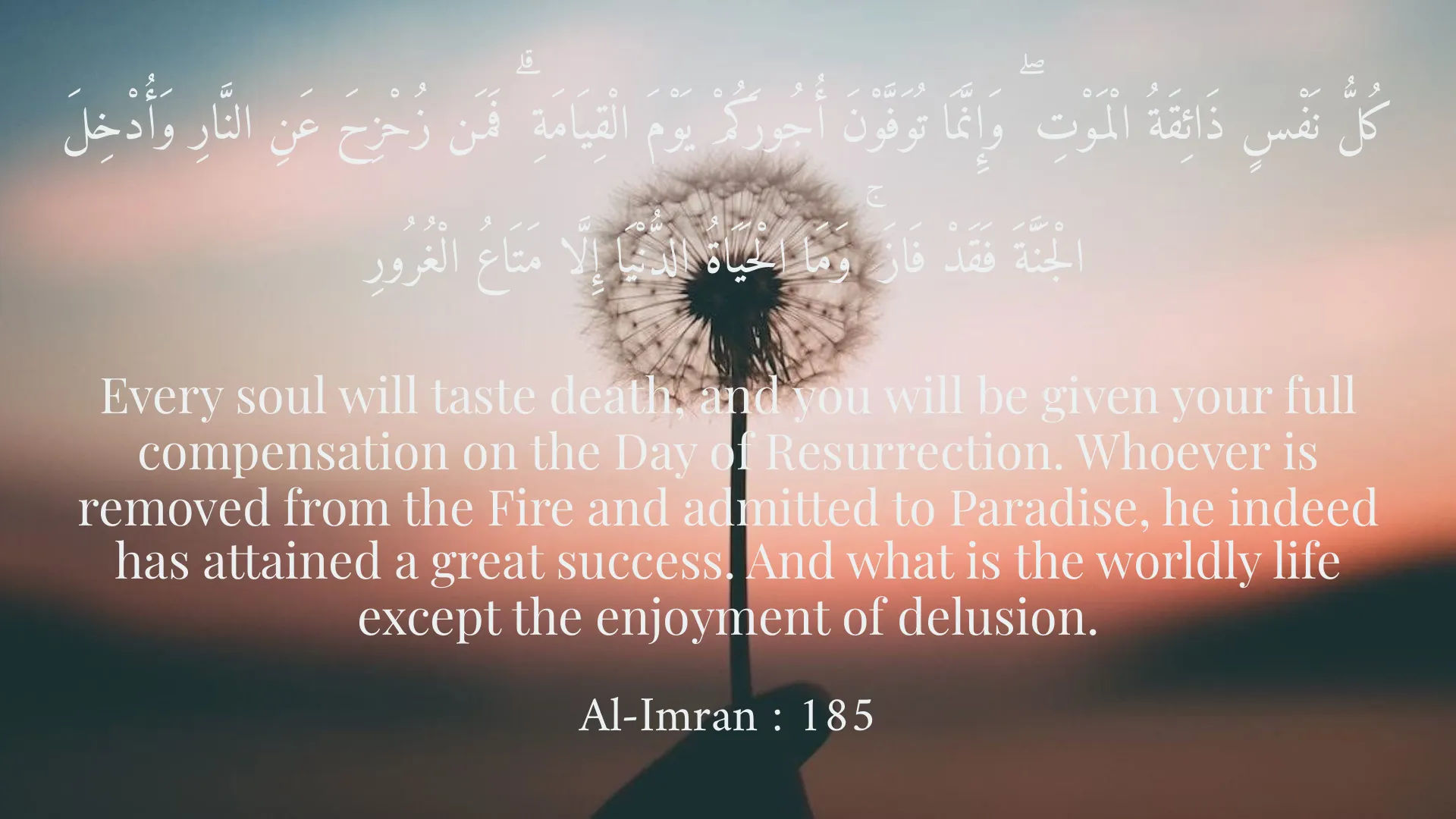
كُلُّ نَفْسٍ ذَائِقَةُ الْمَوْتِ ۖ وَإِنَّمَا تُوَفَّوْنَ أُجُورَكُمْ يَوْمَ الْقِيَامَةِ ۗ فَمَن زُحْزِحَ عَنِ النَّارِ وَأُدْخِلَ الْجَنَّةَ فَقَدْ فَازَ ۚ وَمَا الْحَيَاةُ الدُّنْيَا إِلَّا مَتَاعُ الْغُرُورِ
Every soul will taste death, and you will be given your full compensation on the Day of Resurrection. Whoever is removed from the Fire and admitted to Paradise, he indeed has attained a great success. And what is the worldly life except the enjoyment of delusion.
Al-Imran : 185
فَمَن يَعْمَلْ مِثْقَالَ ذَرَّةٍ خَيْرًۭا يَرَهُ
So whoever does an atom's weight of good will see it.
Al-Zalzalah : 7
وَمَن يَعْمَلْ مِثْقَالَ ذَرَّةٍ شَرًۭا يَرَهُ
And whoever does an atom's weight of evil will see it.
Al-Zalzalah : 8
Short Story
One day, in the yard, Saeed was sitting with his father. His father called him and said, "Let’s talk about life after death together." He began explaining Quranic verses that show everyone should pay attention to their deeds in life. Saeed asked, "Dad, is there really a Day of Judgment?" His father smiled and said, "Yes, my son, and we must be mindful of our actions." This conversation not only answered Saeed's curiosity but also made him ponder on being diligent in doing good deeds.