Quranic Answer
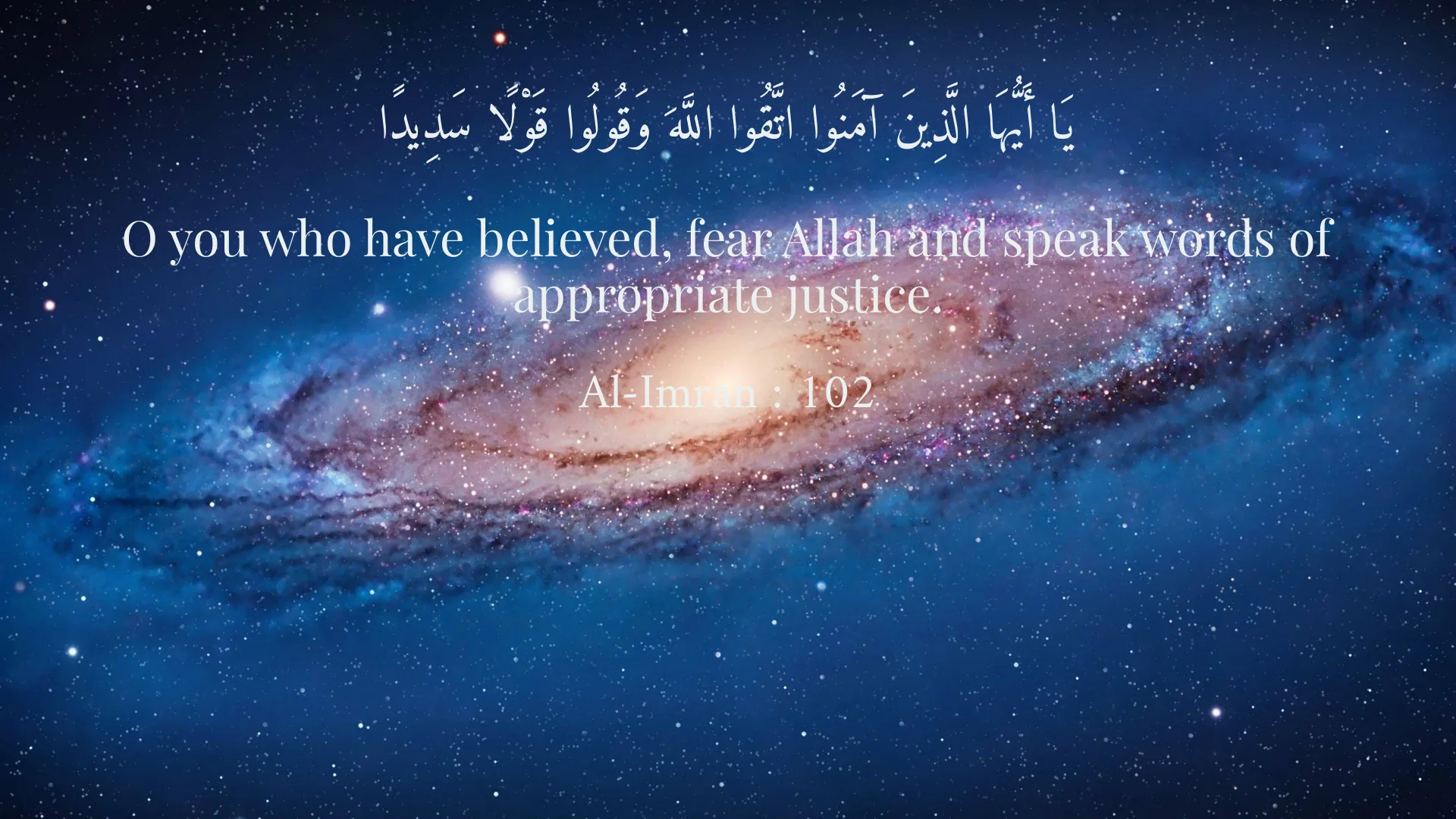
Taqwa is a profound and fundamental concept in Islam, deeply rooted within the teachings of the Holy Quran and the traditions of the Prophet Muhammad (PBUH). The Arabic term 'Taqwa' is often translated as 'God-consciousness' or 'piety,' but its implications extend far beyond mere definitions. It embodies the idea of being aware of the divine presence of Allah in one's life and involves a comprehensive approach to living according to God's commands, characterized by an ongoing reflection of one's actions within the framework of faith. To delve into the essence of Taqwa, it is critical to understand its significance in the daily lives of Muslims. In the Holy Quran, Taqwa is portrayed as the foundation of faith and a means to draw closer to Allah. Surah Al-Imran, verse 102, reminds believers: "O you who have believed, fear Allah and speak words of appropriate justice." This divinely revealed message emphasizes that Taqwa encompasses more than just fearing divine punishment; it involves developing a profound love and respect for God. Taqwa has a transcendent quality, enabling believers to cultivate a deep and personal relationship with their Creator. The various traditional teachings underscore that Taqwa leads to the refinement of one’s soul, resulting in purity of heart. The Quran indirectly guides individuals toward self-improvement and an elevated state of consciousness through Taqwa. To fully grasp this concept, it is paramount for believers to engage with the divine verses and the teachings of the Prophet (PBUH) using pure intentions and deep contemplation, seeking an authentic understanding that resonates within their hearts. To enhance our understanding of Taqwa, we can look into other verses within the Holy Quran that articulate its significance. For instance, Surah Al-Baqarah, verse 177, states: "Righteousness is not that you turn your faces toward the east or the west, but [true] righteousness is in one who believes in Allah, the Last Day, the Angels, the Book, and the Prophets…" This verse provides a profound insight into the dynamic nature of Taqwa, emphasizing that true righteousness emerges from an unwavering belief in Allah and acting in accordance with His divine commandments. The Prophet Muhammad (PBUH) also reinforced the essence of Taqwa through profound traditions, one narration stating that “Taqwa is in the hearts.” This encapsulates the understanding that Taqwa is fundamentally an inner feeling, a conscious commitment to serve Allah and adhere to His commandments. It is a spiritual and moral compass that guides a believer's life choices and interactions. This intrinsic feeling of Taqwa should arise in one’s heart and manifest itself in particular behavioral patterns—representing itself in a believer’s personality as a sincere effort to embody goodness in every aspect of life. A true believer, fortified by the essence of Taqwa, should strive to be a model of righteousness and integrity, acting as a person of Taqwa across all circumstances. This includes avoiding sinful behavior and engaging in good acts that promote honesty, justice, and compassion within society. Taqwa engages individuals not just as isolated worshippers but as active participants in their communities, fostering relationships built on mutual respect and understanding. Moreover, Taqwa has a profound role in social justice. By adhering to Taqwa, individuals are equipped with a moral foundation that compels them to advocate for fairness and equity within society. Implementing the principles of justice and compassion as prescribed by Islamic teachings can serve as a catalyst for meaningful change, encouraging believers to prioritize collective welfare above individual interests. This socio-ethical dimension of Taqwa is pivotal in cultivating an equitable society, mirroring the teachings of the Quran and the example set forth by the Prophet (PBUH). In pursuing personal and collective development through Taqwa, believers are encouraged to cultivate moral and ethical excellence. This journey towards excellence starts with self-awareness and accountability. Each action becomes an opportunity for growth, paving the way for a community enriched with love, support, and understanding. Taqwa seamlessly integrates spirituality into daily life, urging believers to be mindful of their intentions and actions while striving to positively impact the world around them. The concept of Taqwa is not confined solely to individual spirituality; it extends to the collective experience of the Muslim ummah (community). Within the context of community, Taqwa encourages individuals to contribute positively and meaningfully towards societal progress. The interconnection between believers fosters an environment where mutual support thrives, forging stronger bonds of brotherhood and sisterhood, which are fundamental tenets of Islamic teachings. This spirit of solidarity and support enables communities to overcome challenges and nurture a culture where Taqwa is revered and practiced faithfully. In conclusion, Taqwa is not merely a theoretical concept; rather, it is the bedrock of a holistic Islamic way of living that encompasses spiritual, ethical, and social dimensions. A committed walk towards Taqwa enriches both personal lives and the broader community. The teachings found in the Quran and the Hadith of the Prophet Muhammad (PBUH) serve as invaluable guides in nurturing this essential quality, instilling a desire not only to refrain from sin and disobedience but to develop an intimate, loving relationship with Allah. A life woven with the fibers of Taqwa is one oriented towards truth, justice, and compassion, creating a legacy of righteousness for generations to come.
Related Verses
يَا أَيُّهَا الَّذِينَ آمَنُوا اتَّقُوا اللَّهَ وَقُولُوا قَوْلًا سَدِيدًا
O you who have believed, fear Allah and speak words of appropriate justice.
Al-Imran : 102
لَيْسَ الْبِرَّ أَنْ تُوَلُّوا وُجُوهَكُمْ قِبَلَ الْمَشْرِقِ وَالْمَغْرِبِ وَلَكِنَّ الْبِرَّ مَنْ آمَنَ بِاللَّهِ وَالْيَوْمِ الْآخِرِ...
Righteousness is not that you turn your faces toward the east or the west, but [true] righteousness is in one who believes in Allah and the Last Day...
Al-Baqarah : 177
Short Story
Once upon a time, there was a man named Ali who was in search of the deeper meanings of life. He decided to dedicate two hours of his time each day to reading the Quran and reflecting on its verses. After several months, he encountered the topic of Taqwa. Through study and contemplation, Ali realized that Taqwa was not only about avoiding sins but also that believers should strive to behave with kindness and good character at all times. He began to practice love, honesty, and providing peace to others. After a while, not only did Ali find himself on the path of Taqwa, but those around him also felt the positive changes in him.