Quranic Answer
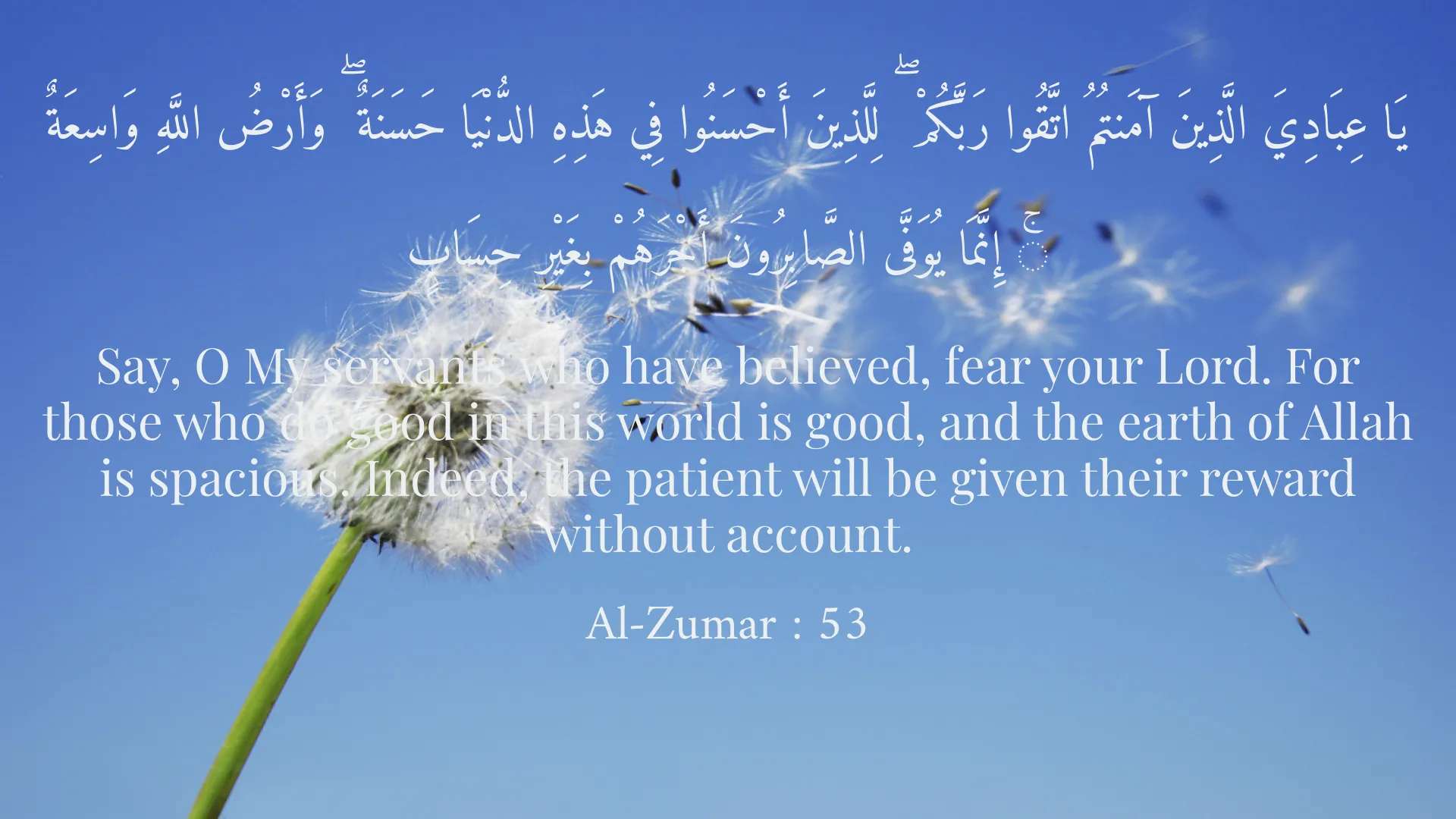
In the Holy Quran, hope occupies a pivotal role as one of the fundamental characteristics of faith and belief in God. God’s emphasis on hope and reliance on Him is prevalent throughout the Quran, providing believers with a guiding principle in their spiritual journey. In various verses and narratives, believers are encouraged to embrace hope, underscoring its significance in the context of worship, ethics, and interpersonal relationships. This article aims to explore the concept of hope in the Quran, highlighting its critical importance within the fabric of Islamic belief and practice while examining notable instances and teachings that reinforce this theme. One of the most profound expressions of hope found in the Quran is in Surah Al-Zumar, where Allah articulates His mercy and forgiveness, inviting believers to seek solace in His compassion. Specifically, verse 53 serves as a powerful reminder of Allah’s boundless mercy: ‘Say, O My servants who have believed, fear your Lord. For those who do good in this world is good, and the earth of Allah is spacious. Indeed, the patient will be given their reward without account.’ This verse encapsulates the essence of hope by conveying the message that regardless of mistakes or wrongdoings, believers should never lose sight of the potential for divine forgiveness. It reassures individuals that steadfastness in doing good deeds is rewarded, thereby cultivating an atmosphere of hope and positivity. The Quran’s narrative style often intertwines messages of hope with moral teachings, providing a comprehensive framework for believers. For instance, hope is not merely an expectation of divine mercy; it is intrinsically linked to the concept of striving, or ‘jihad’ in the broader sense, to live a righteous life. This duality of hope and effort is crucial, as it places the onus on believers to actively pursue goodness, emphasizing that while divine mercy is vast, it is complemented by human action and determination. Thus, hope in the Quran does not stem from a passive outlook but encourages believers to embody hope through their deeds and dedication. Another significant verse that reinforces the reliance on God is found in Surah An-Naml, verse 62, which calls believers to trust in Allah alone as the focal point of their hope. This verse serves as a testament to God’s unique position as the ultimate source of assistance and solace in times of trials and tribulations. The reliance on God fosters a sense of security among believers, encouraging them to place their hopes in Him rather than worldly entities which can be fickle and transient. By maintaining a strong connection with Allah, believers can navigate the complexities of life with unwavering hope and direction. The Quran also incorporates illustrative narratives to underline the concept of hope. One notable example is the story of Prophet Jonah (Yunus), who, in the depths of despair, finds himself engulfed by the belly of a whale. Instead of succumbing to hopelessness, he turns towards God in prayer, demonstrating absolute reliance on divine mercy: "And [mention] when Jonah went away in anger and expected that We would not cause him distress. But he cried out within the belly of the whale, 'There is no deity except You; exalted are You. Indeed, I have been of the wrongdoers.'" (Surah Al-Saffat, 37:139-140). This powerful narrative illustrates that even in the most dire situations, hope and prayer can lead to salvation. Jonah's story serves as a profound reminder that true hope lies in turning to God, no matter how insurmountable the challenges may seem. Moreover, the Quran articulates a cohesive relationship between hope and patience (sabr). This relationship is beautifully depicted in the aforementioned verse from Surah Al-Zumar, where patience is highlighted as an essential trait that accompanies hope. The intertwining of these qualities emphasizes that maintaining hope often requires resilience and perseverance. In other words, the Quran teaches that hope should not merely be an abstract concept but should manifest itself through the continuous effort to remain steadfast, even in the face of adversity. The concept of hope in the Quran further extends to communal and societal contexts, where believers are encouraged to support each other in maintaining faith and optimism. This collective dimension of hope reinforces the importance of community and companionship in spiritual growth, emphasizing the role of positive relationships in uplifting one another. For instance, being part of a supportive community cultivates an environment where individuals can share their struggles and successes, fostering a collective spirit of hope that energizes and motivates believers to strive for goodness together. Furthermore, during times of grief, loss, or distress, the Quran calls upon believers to instill hope in their hearts. Allah reassures individuals through His words that every hardship is accompanied by ease (Surah Ash-Sharh, 94:5-6), reminding believers that trials are temporary and do not signal the end of Allah’s mercy. This reinforcement serves as a beacon of hope, encouraging believers to view their challenges as opportunities for growth and reliance on divine support. In conclusion, the Quran presents hope as an integral element of faith that not only affirms the believers' trust in God's mercy but also encourages proactive efforts toward righteousness. Through various verses and narratives, such as those found in Surah Al-Zumar and Surah An-Naml, believers are reminded of the significance of hope, patience, and reliance on Allah. The stories, particularly that of Prophet Jonah, illustrate the profound connection between hope and divine mercy, reinforcing the truth that turning to God in prayer can lead to salvation. Ultimately, hope is portrayed in the Quran as a dynamic force that fuels faith, fortifies community bonds, and fosters resilience amidst life’s challenges, making it an essential characteristic for every believer’s spiritual journey.
Related Verses
يَا عِبَادِيَ الَّذِينَ آمَنتُمُ اتَّقُوا رَبَّكُمْ ۖ لِلَّذِينَ أَحْسَنُوا فِي هَذِهِ الدُّنْيَا حَسَنَةٌ ۖ وَأَرْضُ اللَّهِ وَاسِعَةٌ ۚ إِنَّمَا يُوَفَّى الصَّابِرُونَ أَجْرَهُمْ بِغَيْرِ حِسَابٍ
Say, O My servants who have believed, fear your Lord. For those who do good in this world is good, and the earth of Allah is spacious. Indeed, the patient will be given their reward without account.
Al-Zumar : 53
أَمَّنْ يُجِيبُ الْمُضْطَرَّ إِذَا دَعَاهُ وَيَكْشِفُ السُّوءَ ۖ وَيَجْعَلُكُمْ خُلاَفَاءَ الْأَرْضِ ۚ أَئْلَهٌ مَّعَ اللَّهِ ۚ قَلِيلًا مَّا تَذَكَّرُونَ
Is not He who answers the desperate when he calls upon Him and removes evil and makes you successors upon the earth? Is there a deity with Allah? Little do you remember.
An-Naml : 62
Short Story
One day, Prophet Jonah was talking to his people, but they paid no attention to him. He had no choice but to leave them and go to the sea. In the sea, he realized he was in great danger and prayed to God. Jonah asked for forgiveness and mercy from the depths of the sea and the belly of the whale. For this reason, Allah saved him and brought him to shore. This story illustrates that one should never lose hope in God's mercy.