Quranic Answer
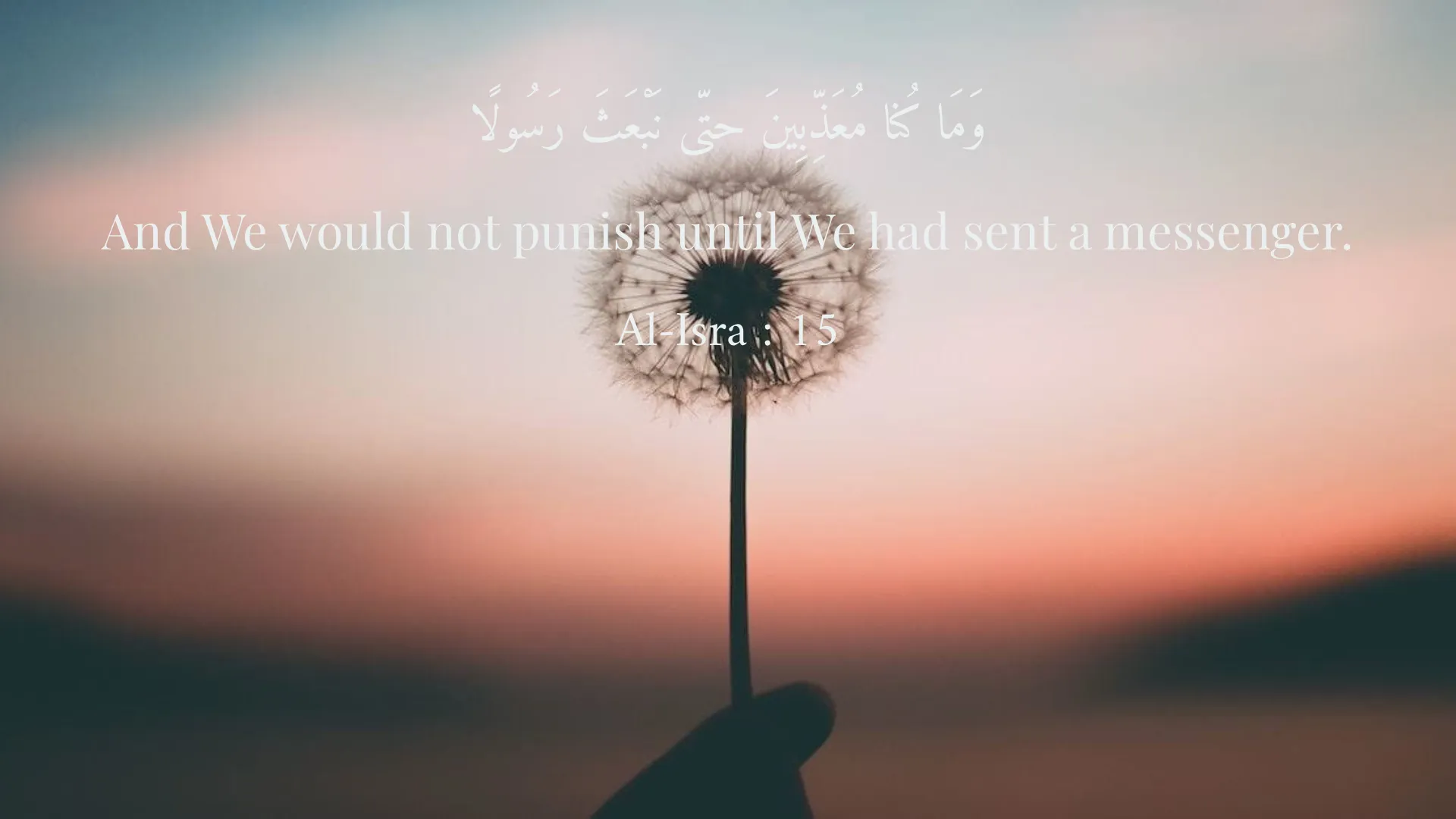
God's guidance is a fundamental aspect of the belief in Islamic theology. The Holy Quran outlines the various methods through which Allah guides His creations, emphasizing His mercy and wisdom. Among these methods is the sending of prophets and messengers, a practice deeply rooted in the Islamic tradition. In fact, the Quran stresses the importance of this method in Surah Al-Isra, verse 15: 'And We would not punish until We had sent a messenger.' This assertion highlights a critical notion: Allah’s justice dictates that before any punishment is enacted, guidance must first be offered through appointed messengers. The role of prophets is not merely to convey a message; it encapsulates a divine mission to lead humanity toward truth and righteousness. Prophets, chosen from among people, embody the ethical and moral standards set forth in the divine scriptures. They serve as living examples of faith, demonstrating how to apply God's commandments in daily life. This aspect of their role functions as a beacon of light, illuminating the right path in a world often clouded by confusion and moral ambiguity. For instance, the Prophets of Islam - such as Muhammad (peace be upon him) - not only delivered God’s message but also exhibited unwavering commitment and patience in the face of adversity, showcasing faith in action. Another significant method of divine guidance is the signs and miracles inherent in nature that Allah has created. In Surah Al-Imran, verse 190, Allah articulates this notion when He states, 'Indeed, in the creation of the heavens and the earth and the alternation of night and day are signs for those of understanding.' The natural world, with its majestic mountains, expansive oceans, and complex ecosystems, serves as a testament to God’s existence and omnipotence. For believers, the intricate design and harmony present in nature only reinforce the belief that a greater power is at work. These signs compel humans to reflect upon the world around them, fostering a deeper intellectual and spiritual understanding. Observing natural phenomena urges people to ponder their purpose, origin, and the fleeting nature of their existence. Islam encourages adherents to meditate upon these signs, which not only connote the magnificence of creation but also act as pathways leading toward the Creator. Such reflection strengthens one's faith, encourages gratitude, and inspires humility, reminding individuals of their place within the vast cosmos. In conjunction with the sent prophets and the natural signs, Allah also advocates for the essential use of intellect and reasoning as a means to find guidance. In Surah Fussilat, verse 53, it is asserted: 'We will show them Our signs in the horizons and within themselves until it becomes clear to them that it is the truth.' This verse emphasizes a personal journey towards understanding, wherein individuals are urged to recognize and acknowledge the signs present in their hearts and surroundings. The emphasis on intellect underscores that faith in Islam is not blind; rather, it is based on knowledge, contemplation, and an informed understanding of one’s beliefs. By engaging the mind, believers are invited to embark on a journey of discovery, which can lead to profound realizations about God and their own existence. Moreover, the pursuit of knowledge and the encouragement to question and seek answers remains a pivotal aspect of Islamic culture and tradition. Seeking knowledge is engrained in Islamic teachings, and it is through this quest that individuals can arrive at the truth. By employing rationale and reason, humans can deduce significant truths about life, their purpose, and the nature of God Himself. In addition to reflection and intellectual inquiry, turning to Allah in prayer is presented as a fundamental mechanism for seeking guidance. Prayer, or Salah, serves as a direct line of communication between the believer and God. In Surah Yunus, verse 10, Allah implores: 'Our Lord, grant us in this world goodness and in the Hereafter goodness and save us from the torment of the Fire.' This heartfelt supplication illustrates the recognition of human imperfection and dependence on divine guidance to navigate through challenges and tribulations. Prayer is not merely a ritualistic act; it is an expression of devotion, a form of meditation, and a source of comfort. It welcomes divine mercy and grants respite in moments of uncertainty. Furthermore, it nourishes the soul and solidifies the relationship between the believer and the Creator, allowing individuals to express their hopes, fears, and desires. The essence of seeking guidance continually invites believers to engage in self-reflection and to remain steadfast in their commitment to righteousness. As individuals navigate through the complexities of life, the tools of prophetic guidance, observation of divine signs, intellectual engagement, and sincere prayer coalesce, steering them toward a life of virtue and purpose. Ultimately, the act of seeking guidance is a continuous journey rather than a singular destination. Allah’s mercy envelops those who diligently seek the truth and strive for goodness, providing clarity and direction amidst life's uncertainties. In conclusion, the methods of guidance elaborated in the Holy Quran serve not only as ways to connect with God but as integral components of spiritual development. Each method—through prophets, signs in nature, the use of intellect, and prayer—works in harmony to encourage self-awareness and promote moral integrity in the hearts of humanity. By understanding the significance of these divine guidance methods, individuals can cultivate a deeper relationship with their Creator, gain clarity in their purpose, and ultimately lead lives that reflect the teachings of Islam, contributing to their communities and the world at large.
Related Verses
وَمَا كُنا مُعَذِّبِينَ حتّى نَبْعَثَ رَسُولًا
And We would not punish until We had sent a messenger.
Al-Isra : 15
إنَّ في خَلْقِ السَّمَواتِ وَالأرْضِ وَاخْتِلافِ اللَّيْلِ وَالنَّهارِ لَآيَاتٍ لّأُولِي الألْبابِ
Indeed, in the creation of the heavens and the earth and the alternation of night and day are signs for those of understanding.
Al-Imran : 190
سَنُرِيهِمْ آيَاتِنَا فِي الآفَاقِ وَفِي أَنفُسِهِمْ حَتَّى يَتَبَيَّنَ لَهُمْ أَنَّهُ الْحَقُّ
We will show them Our signs in the horizons and within themselves until it becomes clear to them that it is the truth.
Fussilat : 53
Short Story
One day, a man named Hassan was in search of the right path. He traveled to high mountains to meditate and pray. When he reached the summit, he looked at the sky and said, 'O God, guide me.' Suddenly, he noticed a bird soaring in the sky. He remembered the verses of the Quran that spoke of signs in the heavens and the earth. Hassan realized that God was showing him that he too must pay attention to signs and coincidences in life. With a content heart and a calm spirit, he returned home and decided to continue his prayers and supplications.