Quranic Answer
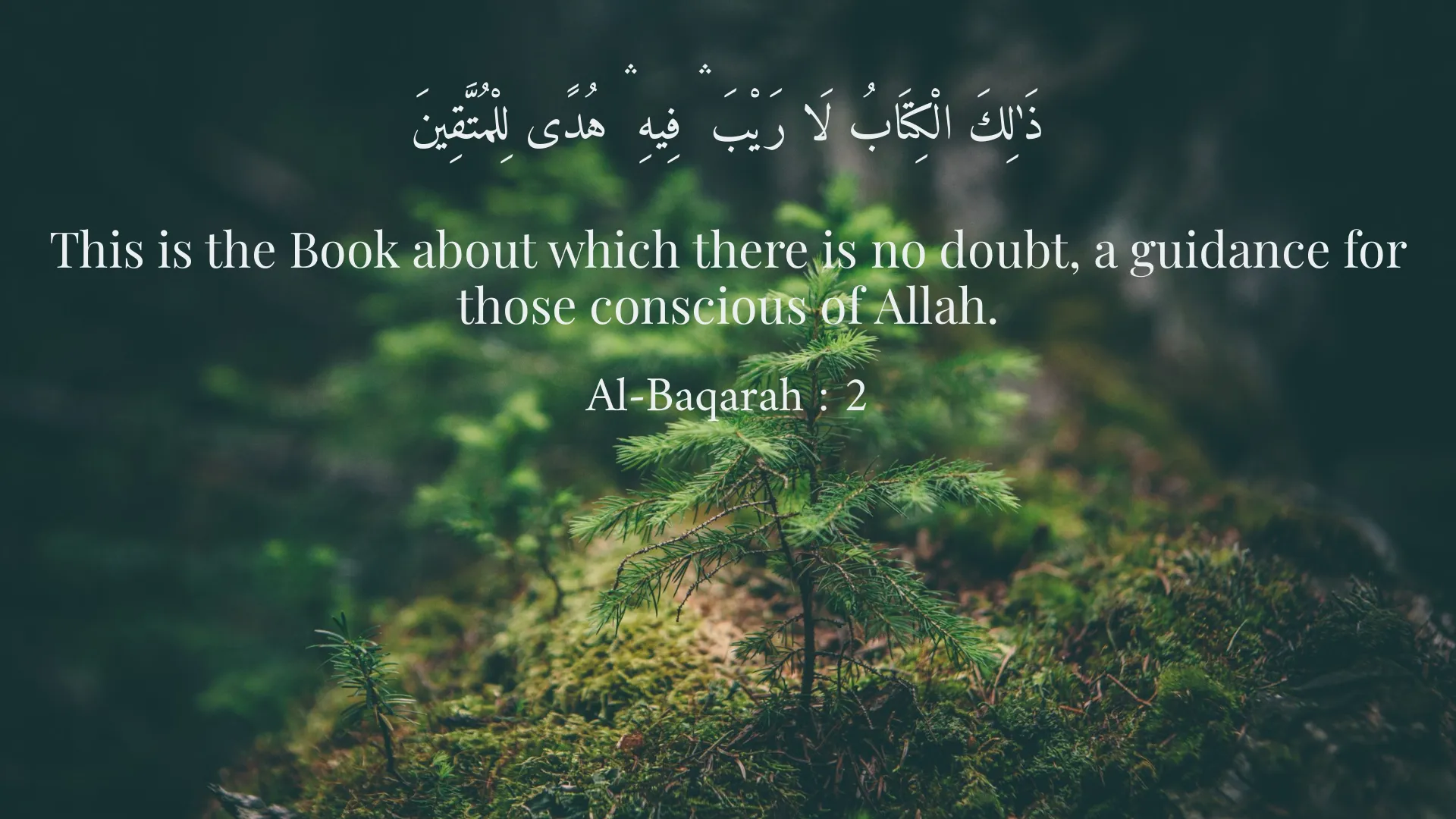
Certainty, or yaqeen, is widely recognized as one of the most fundamental principles within Islamic faith and practice. It serves as a cornerstone for believers in their spiritual lives, and is heavily emphasized in the Holy Quran. Certainty reflects an unwavering belief in the truth of Islamic teachings and the existence of Allah, relying on both divine guidance and personal conviction. As such, it is crucial for Muslims to cultivate this quality in their hearts and minds. In Surah Al-Baqarah, verse 2, Allah makes a powerful declaration: "This is the Book about which there is no doubt, a guidance for those conscious of Allah." This verse provides insight into the significance of the Quran as a source of unerring guidance for those who are pious. The statement “about which there is no doubt” highlights the importance of certainty, implying that genuine faith is founded upon a complete trust in Allah's words and the message delivered through the Quran. The necessity for believers to fully comprehend the teachings contained within this holy text is paramount, as it forms the bedrock for their understanding and spiritual growth. To achieve this certainty, deep and reflective study of the Quran and the teachings of the Prophet Muhammad (peace be upon him) is essential. Engaging with the divine text not only enhances one’s intellectual understanding but also fosters an emotional and spiritual connection with Allah. This process often involves contemplating not only the words themselves, but also the broader implications behind them and how they apply to one’s own life. Surah Al-Imran, verse 16, elaborates on the relationship between faith, forgiveness, and certainty: "Those who say, ‘Our Lord, indeed we have believed, so forgive us our sins and protect us from the punishment of the Fire.’" Here, we see the interplay between belief, a sincere plea for forgiveness, and the assurance of salvation from torment. The call to ask for forgiveness reveals that a confident believer is aware of their own shortcomings and actively seeks to rectify them. The very act of reaching out to Allah in this manner solidifies their certainty in the divine mercy and justice, as it indicates trust in His promise of forgiveness and protection. Furthermore, Surah Al-Anfal, verse 2 states: "The believers are only those who, when Allah is mentioned, their hearts become fearful." This poignant verse demonstrates the profound connection between the remembrance of Allah and the emotional experience of believers. When they hear His name, their hearts are stirred with reverence and awe, reflecting their deep-rooted certainty in His greatness. This verse articulates the transformative impact that a constant awareness of Allah has on the believer’s experience. By regularly invoking Allah's name and reflecting on His attributes, believers cultivate an atmosphere of reverence, which reinforces their faith and certainty. To attain certainty in one’s faith, an individual must make a conscious effort to adhere to the guidance provided in the Quran. This involves more than just superficial reading; it requires a commitment to understanding the commands of Allah and implementing them in daily life. Muslims are encouraged to study the Quran holistically, exploring contextual meanings and engaging with the historical and theological interpretations that enrich the text. In addition to reading the Quran, prayer (Salah) and worship are fundamental in nurturing certainty. The act of prayer brings believers closer to Allah, allowing them to express their needs, aspirations, and gratitude. Salah is a ritual that compels individuals to pause and reconnect with their Creator at various intervals throughout the day. This practice fosters a sense of peace and reassurance, reinforcing the believer's trust in Allah's plan and wisdom. Moreover, surrounding oneself with a community of like-minded individuals can offer additional support in the journey toward certainty. Engaging in discussions about faith, attending lectures, and participating in communal prayers can help to fortify one's beliefs. Fellowship with others also contributes to a sense of belonging and shared understanding, essential aspects of spiritual growth. Continuous effort in learning, reflecting, and connecting with Allah prepares one to withstand challenges that life may present. The adversity of life can often shake one's confidence, making the attainment of certainty even more critical. During hardships, a steadfast belief rooted in the teachings of the Quran helps individuals maintain their faith, allowing them to navigate trials with resilience. In conclusion, certainty is an integral aspect of Islamic faith that offers believers guidance, comfort, and assurance. The Quran serves as both a source of divine revelation and a roadmap for achieving and maintaining this certainty. Through earnest study, deep reflection, sincere prayer, and community engagement, each Muslim can cultivate a strong foundation of faith that enables them to face life's uncertainties with unwavering trust in Allah. Ultimately, this pursuit of certainty is not only essential for individual spiritual fulfillment but also enhances the collective strength of the Islamic community, reinforcing their shared commitment to uphold the timeless truths of the Quran.
Related Verses
ذَٰلِكَ الْكِتَابُ لَا رَيْبَ ۛ فِيهِ ۛ هُدًى لِلْمُتَّقِينَ
This is the Book about which there is no doubt, a guidance for those conscious of Allah.
Al-Baqarah : 2
الَّذِينَ يَقُولُونَ رَبَّنَا إِنَّا آمَنَّا فَاغْفِرْ لَنَا ذُنُوبَنَا وَقِنَا عَذَابَ النَّارِ
Those who say, ‘Our Lord, indeed we have believed, so forgive us our sins and protect us from the punishment of the Fire.’
Al-Imran : 16
إنمَا الْمُؤْمِنُونَ الَّذِينَ إِذَا ذُكِرَ اللَّهُ وَجِلَتْ قُلُوبُهُمْ
The believers are only those who, when Allah is mentioned, their hearts become fearful.
Al-Anfal : 2
Short Story
One day, a young man named Amir was contemplating his life. He felt that he was always in search of truth and certainty. After studying the Quran, he realized that faith in God and achieving peace through the remembrance of Allah could lead him to certainty. With each prayer and supplication, he felt increased tranquility and observed a positive transformation in his life.