Quranic Answer
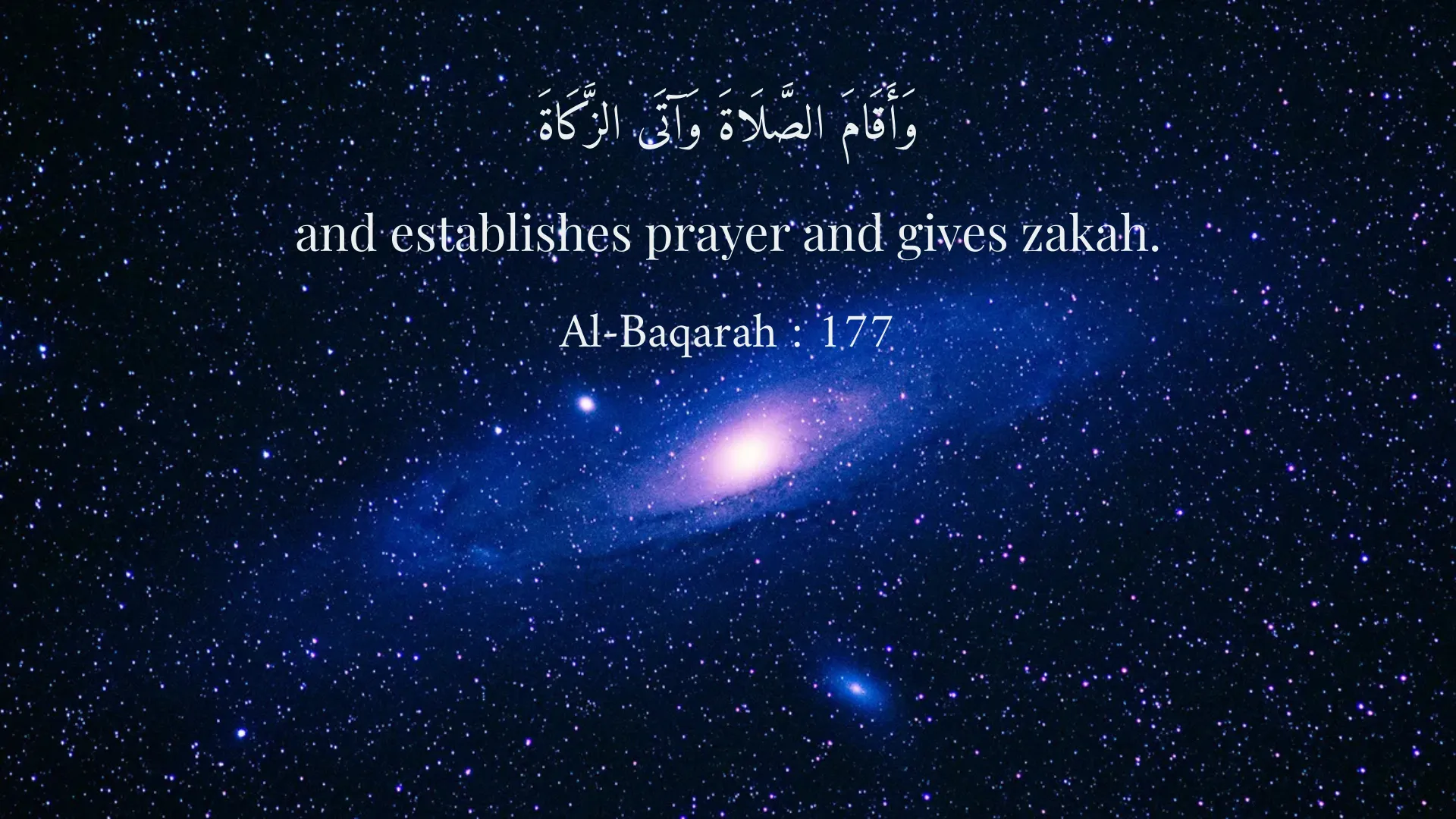
Attaining God's satisfaction is the ultimate goal of the faithful, a pursuit that encapsulates the essence of spirituality and devotion in Islam. This quest for divine approval is not merely an abstract aspiration but is rooted deeply in the teachings of the Quran. It is through understanding and implementing the guidance provided within this holy text that Muslims can navigate their path toward fulfillment and spiritual attainment. The Quran serves as a comprehensive guide, outlining the essential requirements and practices that lead to God's pleasure. One of the foremost principles articulated in the Quran is the belief in God, encapsulated in the concept of Tawheed, which signifies the Oneness of God. This foundational belief is not just a theoretical understanding but a deeply ingrained conviction that shapes the entire framework of a Muslim's life. In Surah Al-Baqarah, verse 177, Allah emphasizes the necessity of establishing prayer (Salah) and giving zakah (charitable giving). This directive encapsulates not only spiritual obligations but also social responsibilities, highlighting that maintaining prayer and performing charitable acts are crucial duties for every Muslim. By fulfilling these obligations, an individual aligns their actions with the divine will, fostering a closer relationship with God and thereby attaining divine satisfaction. Moreover, the Quran invites the believers to engage in a dynamic relationship with their Creator that transcends mere ritual. In Surah Al-Imran, verse 133, Allah states: "And race towards forgiveness from your Lord and a garden as wide as the heavens and the earth, prepared for the righteous." This verse urges the faithful to act promptly in recognizing God's mercy and to embrace righteousness. The metaphor of racing toward forgiveness signifies urgency and determination in seeking God's approval and underscores the importance of good ethics and moral conduct in daily life. In essence, it encourages believers to create a strong ethical framework, allowing them to live a life that reflects divine values and ultimately leads to a fruitful existence. In the modern world, the quest for divine satisfaction also extends to interpersonal relationships and societal interactions. The virtues of love, kindness, and service to others are critical pathways to garner God's approval. In Surah Al-Mu’minun, verse 96, Allah advises: "Repel by that which is best." This guidance highlights the importance of responding to negativity and hostility with kindness and positivity. Such behavior not only cultivates a compassionate society but also aligns with God's wishes, demonstrating that spiritual fulfillment is closely tied to one's ethical and social conduct. Acts of kindness, sympathy, and empathy resonate deeply within the framework of Islamic teachings and serve as vital tools for believers in their pursuit of divine contentment. Furthermore, the commitment to sincere worship is a fundamental tenet for achieving God's pleasure. This commitment encompasses not only the regular observance of obligatory acts of worship, such as the five daily prayers and fasting during Ramadan but also the cultivation of a heartfelt connection with God through personal supplications (dua) and remembrance (dhikr). Engaging in these acts fosters humility and mindfulness, reinforcing the believer’s dependence on divine guidance. When the heart is aligned with sincere worship, a profound transformation occurs, leading the believer to inherently seek after God’s satisfaction. Good deeds further enhance the likelihood of earning divine approval. The Quran emphasizes the significance of performing good deeds in various contexts, reiterating the notion that the outcome of one's actions is crucial to one's spiritual journey. For instance, the Quran states, "Indeed, Allah commands you to render trusts to whom they are due and when you judge between people to judge with justice." (Surah An-Nisa, 58). This commanding call to justice is a reminder that our interactions with others significantly impact our standing with God. Believers are urged not only to act righteously but also to ensure that their actions contribute positively to society, serving as embodiments of divine teachings. Additionally, the remembrance of God is presented as an essential practice for maintaining spiritual well-being. Allah states in Surah Al-Ra'd, verse 28: "Verily, in the remembrance of Allah do hearts find rest." This verse hints at the psychological and spiritual solace offered by engaging in dhikr. A heart that actively remembers God is less likely to stray into sin, fostering a sense of peace and contentment that aligns with God's pleasure. The practice of dhikr serves to strengthen the believer’s faith and resolve, ultimately guiding them toward a state of divine contentment. It is equally important to acknowledge the necessity of avoiding sins and transgressions in the pursuit of God's satisfaction. The Quran repeatedly advises believers to be conscious of their actions and to seek repentance when they falter. The act of turning back to God in sincere repentance not only reflects an understanding of human fallibility but also reinforces the importance of striving towards righteousness despite shortcomings. In Surah Al-Furqan, verse 70, it is stated, "Except for those who repent, believe and do righteous work. For them, Allah will replace their evil deeds with good." This promise underscores the mercy of God and the profound potential for transformation within each believer, embodying the belief that it is never too late to realign oneself with God's divine will. In conclusion, attaining God's satisfaction is a comprehensive journey that encompasses belief, worship, social ethics, and personal conduct. The teachings of the Quran provide a clear roadmap for believers seeking divine approval, emphasizing the importance of faith, consistency in worship, kindness toward others, and a commitment to righteousness. By embodying these principles, Muslims cultivate a sincere, reflective, and fulfilling spiritual life that not only pleases God but also promotes harmony within themselves and their communities. In a world often fraught with challenges, remaining steadfast in the pursuit of divine approval can serve as a source of strength and guidance, guiding the faithful toward a life rich in purpose and meaning.
Related Verses
وَأَقَامَ الصَّلَاةَ وَآتَى الزَّكَاةَ
and establishes prayer and gives zakah.
Al-Baqarah : 177
وَسَارِعُوا إِلَى مَغْفِرَةٍ مِّن رَّبِّكُمْ وَجَنَّةٍ عَرْضُهَا السَّمَاوَاتُ وَالْأَرْضُ أُعِدَّتْ لِلْمُتَّقِينَ
And race towards forgiveness from your Lord and a garden as wide as the heavens and the earth, prepared for the righteous.
Al-Imran : 133
فَادْفَعْ بِالَّتِي هِيَ أَحْسَنُ
Repel by that which is best.
Al-Mu’minun : 96
Short Story
A man named Mohammad was seeking God's satisfaction. One day, he decided to get closer to God. He started praying on time and helped the needy. One day, a friend asked him what caused his change. Mohammad replied, "When I stopped being selfish and served others, I felt that Allah had drawn closer to me!"